





A New Chapter for an Old Kingdom
The rugged hills of Barda Wildlife Sanctuary are officially a second home for the endangered Asiatic lion. While the headline figure of 26 lions comes from an August 2026 report, the most recent verified data from studies and government updates in late
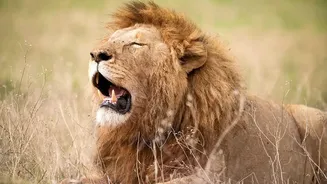
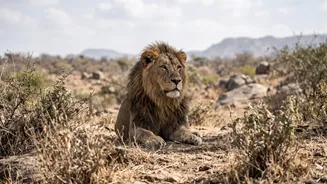
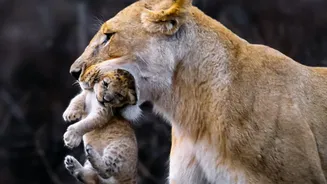
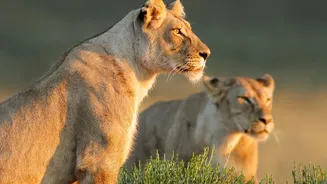
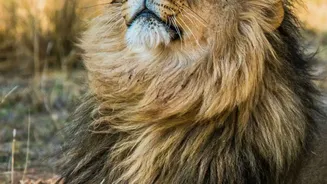
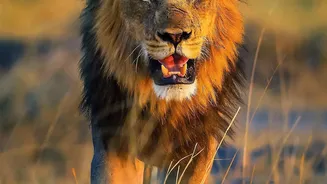
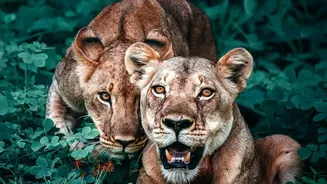
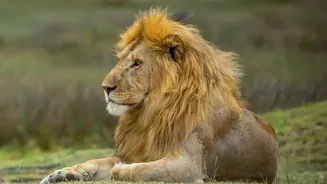
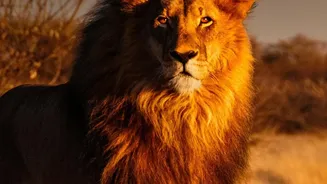
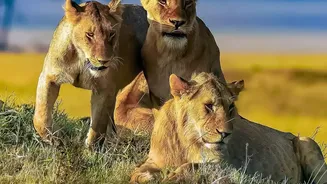
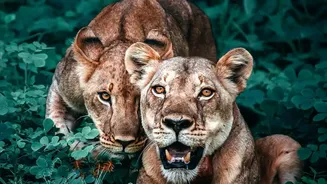
2025 and early 2026 confirms a thriving population of at least 17 lions, including several cubs. This marks a triumphant return for a species last seen in this area around 1879. The establishment of a breeding population in Barda is a landmark achievement for Project Lion, a government initiative aimed at securing the future of these magnificent animals. It began with the natural dispersal of a lone male lion into the sanctuary in January 2023, a sign that the habitat was ready. This pioneering male was soon joined by five females, who were translocated by the Gujarat Forest Department to create a founder group. Their successful breeding is a testament to years of dedicated conservation work.
Why Barda Was Chosen
The idea of Barda as a second home for lions isn't new; the Gir-Barda Project was launched back in 1979. Located about 100 kilometres from the famous Gir National Park, the 192-square-kilometre sanctuary offered a suitable, though challenging, landscape. For decades, the plan remained on paper, but as the lion population in Gir swelled—reaching an estimated 891 by May 2025—the need for a new, independent habitat became urgent. Scientific studies confirmed that Barda's dry deciduous forests and grasslands could support a lion population long-term. The key challenge was the prey base. Early surveys revealed a scarcity of natural prey like spotted deer. To solve this, the Forest Department began augmenting the prey population, translocating hundreds of chital (spotted deer) and sambar from Gir to ensure the new lion population would have enough to eat, thereby reducing potential conflicts with local livestock.
De-Risking a National Treasure
The success of Barda is about more than just numbers; it's about insurance. For over a century, the world's entire wild population of Asiatic lions was confined to a single landscape in Gujarat's Saurashtra region. This put the species at extreme risk. A single catastrophic event, like a disease outbreak or a natural disaster, could have been devastating. The Canine Distemper Virus outbreak in 2018, which killed several lions in Gir, was a stark reminder of this vulnerability. By establishing a geographically separate, self-sustaining population in Barda, conservationists are creating a crucial buffer. This 'metapopulation' approach, which involves managing multiple connected populations, is a globally recognized strategy for ensuring the long-term survival of endangered species.
The Challenges Ahead
Establishing a new home for apex predators is a complex task with ongoing challenges. One of the primary concerns is human-wildlife conflict. Barda Sanctuary is home to several pastoral communities, including Maldharis, who live alongside the wildlife. While these communities have a history of tolerance, lions preying on livestock remains a risk. To mitigate this, authorities have deployed rapid-response teams and lion trackers to monitor the animals' movements using GPS collars. Another critical issue is genetics. The entire Asiatic lion population descended from a very small number of individuals, leading to low genetic diversity. Scientists must carefully manage the Barda population to ensure genetic health and long-term resilience. Finally, maintaining a healthy wild prey base is essential for the sanctuary's success and to prevent lions from turning to domestic animals for food.