


What Is a Complete Protein?
To understand the magic of lentils and rice, we first need to understand what makes a protein 'complete'. Proteins are made of building blocks called amino acids. Our bodies can produce some amino acids on their own (non-essential), but there are nine
that we must get from food (essential). A food source that provides all nine of these essential amino acids in adequate amounts is called a complete protein. While animal products like meat, eggs, and dairy are well-known complete proteins, most plant-based foods are considered 'incomplete' because they are low in one or more of these essential amino acids.
The Science of Food Synergy
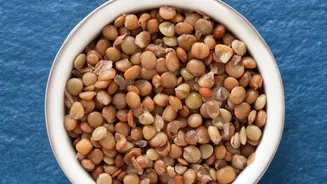
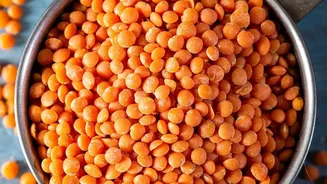
This is where the concept of protein complementation, or food synergy, comes in. By combining two or more incomplete protein sources, you can create a meal that supplies all nine essential amino acids. Lentils and rice are a perfect example of this. Lentils are rich in the amino acid lysine but low in the sulfur-based amino acids methionine and cysteine. Rice, on the other hand, is low in lysine but contains those sulfur-based amino acids that lentils lack. When you eat them together, their amino acid profiles complement each other, creating a complete protein package that your body can use effectively for everything from muscle repair to cell growth.
More Than Just Protein
The benefits of combining lentils and rice extend far beyond their protein content. This pairing is a nutritional powerhouse, delivering a wealth of benefits. It's an excellent source of dietary fibre, which is crucial for digestive health and helps you feel full and satisfied. This combination also provides slow-release carbohydrates, which offer sustained energy without spiking your blood sugar. In fact, studies show that adding lentils to a meal with rice can help lower the overall glycemic response. Furthermore, this humble dish is packed with important minerals like iron and folate, making it an incredibly nutrient-dense meal. A standard serving of dal chawal can contain anywhere from 14 to 17 grams of protein and over 300 calories, making it a substantial and healthy meal.
Making It a Daily Habit
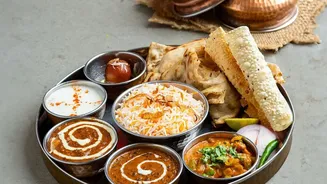
Incorporating lentils and rice into your daily diet is simple and versatile. The most classic Indian preparation is Dal Chawal, where cooked lentils (dal) are served with steamed rice. However, you don't need to limit yourself. You can explore different types of lentils like toor (pigeon pea), masoor (red lentil), or moong (mung bean), each offering a unique flavour and texture. Similarly, switching between white basmati, brown rice, or red rice can add variety and different nutritional profiles. There's no perfect ratio, but a combination of the two in a single meal is effective. A study found that a 1:1 ratio can significantly improve the protein quality of a lentil-based diet. You can also cook them together in one pot to make Khichdi, a comforting and easily digestible porridge-like dish, often considered a healing food in Indian culture.
Simple Meal Ideas
Getting started is easy. For a basic dal, rinse your lentils and cook them with water, turmeric, and salt until soft. In a separate pan, temper spices like cumin seeds, mustard seeds, and garlic in a little oil or ghee and pour it over the cooked dal. Serve hot with a side of freshly steamed rice. For a quick one-pot meal, try making a simple vegetable Khichdi. Sauté chopped onions, tomatoes, and your favourite vegetables with spices, then add rinsed rice and lentils with water and cook until tender. These meals are not only foundational to cuisines across South Asia and the Middle East but are also incredibly budget-friendly and easy to prepare, making balanced nutrition accessible to everyone.