




Why the Rainy Season Weakens Digestion
According to both modern science and Ayurveda, the rainy season presents a unique challenge to our digestive system. Ayurveda explains that during the 'Varsha Ritu' (monsoon), our 'Agni', or digestive fire, naturally becomes weaker. This is likened to how
a real fire struggles in damp conditions. A sluggish Agni means food isn't broken down efficiently, leading to issues like gas, acidity, and loss of appetite. Modern science supports this observation, noting that high humidity can slow down our metabolism. Our bodies have to work harder to regulate temperature, which diverts blood and energy away from digestive organs. Furthermore, the damp environment is a breeding ground for bacteria, increasing the risk of food and water contamination that can lead to stomach infections.
Probiotics: Your Gut's Best Friend
The key to better digestion lies within your gut microbiome—the community of trillions of microorganisms living in your digestive tract. Probiotics, often called "good bacteria," are live microorganisms that help maintain a healthy balance in this internal ecosystem. They play a crucial role in breaking down food, absorbing nutrients, and even supporting your immune system. When your digestive fire is low during the monsoon, a healthy population of good bacteria can provide much-needed support. They help crowd out harmful pathogens, reduce uncomfortable symptoms like bloating, and restore balance after it's been disrupted by illness or dietary changes.
India's Probiotic Powerhouses
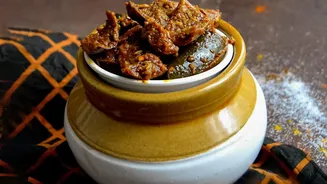
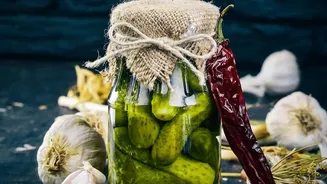
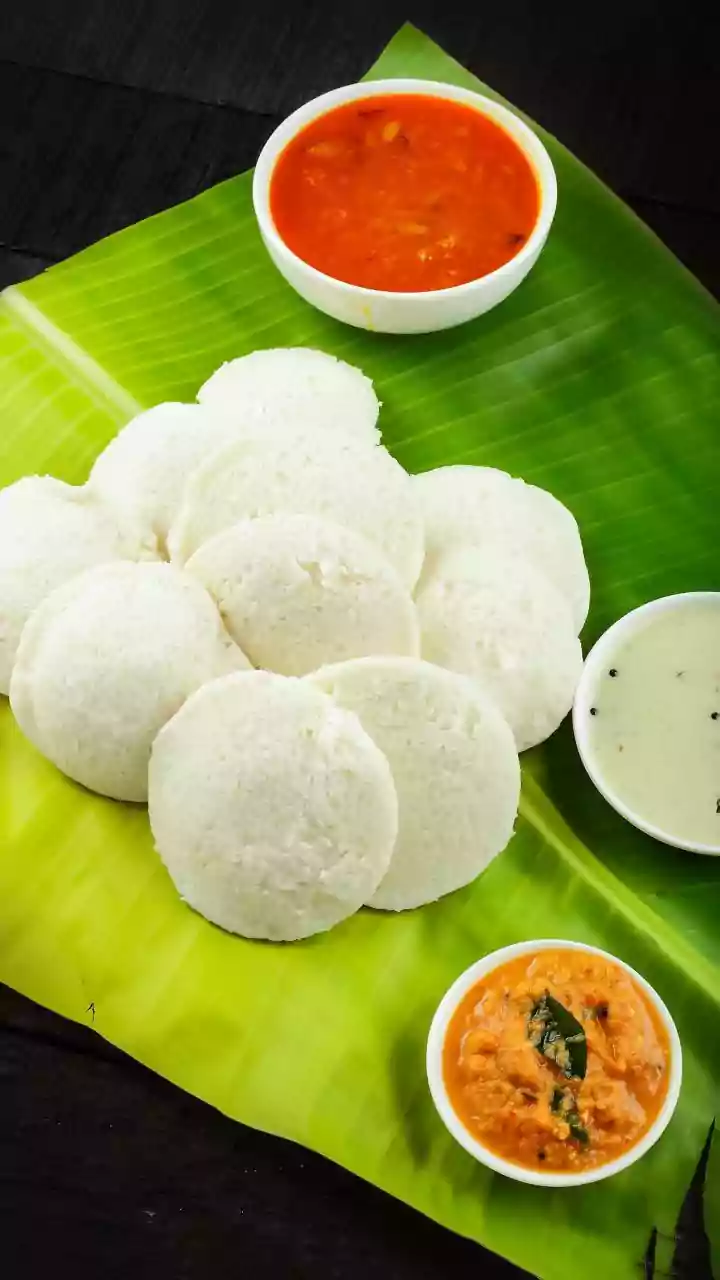
You don't need expensive supplements to get your daily dose of probiotics. Indian culinary traditions are rich with naturally fermented foods that have been supporting gut health for generations. These foods are not only delicious but also packed with beneficial live cultures. Some of the most effective and accessible options include Dahi (Curd), a staple in most households. Homemade curd is rich in Lactobacillus bacteria, which cools the stomach and aids digestion. Another powerful choice is the fermented batter used for Idli and Dosa. The overnight fermentation process not only creates their signature light texture but also pre-digests starches and reduces anti-nutrients, making them incredibly easy on the gut. Dhokla, the steamed snack from Gujarat made with fermented gram flour, is another excellent, protein-rich probiotic food. For a gut-soothing drink, look no further than Kanji, a traditional North Indian beverage made by fermenting black carrots or beetroot.
Simple Ways to Boost Your Gut Health
Incorporating these traditional probiotics into your monsoon diet is simple. The most important rule is to favour warm, light, and freshly cooked meals, as they are easier for your weakened Agni to process. Try to have a small bowl of fresh, homemade Dahi with your lunch every day. Opt for steamed snacks like Idli or Dhokla over heavy, deep-fried alternatives that can strain your digestive system. Buttermilk, or Chaas, is another excellent option as it's lighter than curd and helps reduce acidity, especially after meals. Starting your day with a fermented food like idli can set your digestion up for success. Sipping on warm water infused with digestive spices like ginger, cumin, or fennel throughout the day can also stimulate your digestive fire and prevent bloating.