


Visit the Festival’s Mythological Heart
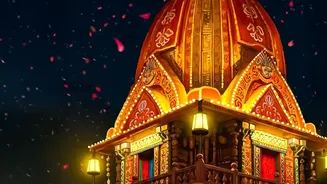
To truly understand Onam, start at its source: the Thrikkakara Vamanamoorthy Temple near Kochi. Believed to be the capital of the legendary King Mahabali, this ancient temple is the epicentre of Onam celebrations. The festival here is less a tourist spectacle
and more a deeply spiritual affair, kicking off ten days of rituals with a ceremonial flag-hoisting. For visitors, it’s a chance to witness the story of Vamana and Mahabali come alive through vibrant processions, traditional music, and sacred ceremonies that have shaped the festival for centuries. The celebration culminates with a grand procession and the 'Aarattu' or ritual bath of the deity. The temple also hosts a massive Onasadya, a traditional feast, serving thousands of devotees and visitors, embodying the spirit of community and generosity.
Witness the Roaring Pulikali in Thrissur
Head to Thrissur, Kerala's cultural capital, on the fourth day of Onam for a spectacle unlike any other: Pulikali, the 'Tiger Dance'. This 200-year-old folk art form sees hundreds of performers, their bodies painstakingly painted in brilliant yellows, oranges, and blacks to resemble tigers and leopards, dance through the streets. The air fills with the powerful rhythms of traditional percussion instruments like the 'chenda' and 'thakil' as these 'tigers' mimic hunting scenes with playful, energetic movements. The procession takes over the Swaraj Round, creating a mesmerising, slightly chaotic, and utterly unforgettable carnival atmosphere that draws thousands of spectators. It’s a powerful display of community spirit, artistry, and raw energy.
Experience a Sacred Boat Race at Aranmula
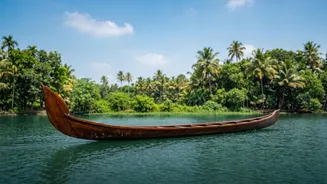
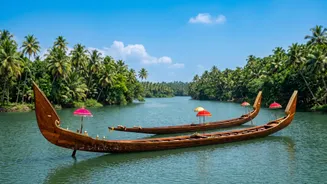
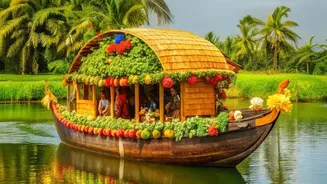
While Kerala is famous for its competitive snake boat races, the Aranmula Uthrittathi Vallamkali is something different entirely. Held on the Pampa River near the Parthasarathy Temple, this event is less a race and more a religious ritual. Over 100 oarsmen, dressed in traditional white 'mundus' and turbans, power the massive 'Palliyodam' snake boats, which are treated as divine vessels. They glide in unison, not to win a trophy, but to honour a legend connected to the temple's deity, Lord Krishna. The air is filled with the sounds of 'Vanchipattu' (boat songs) and the visual splendour of the decorated boats. It’s a deeply spiritual and communal event that offers a glimpse into a tradition that has remained unchanged for centuries.
Partake in a Grand Onam Sadya
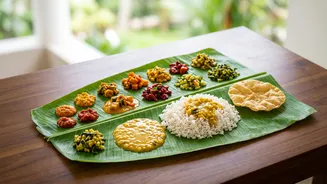
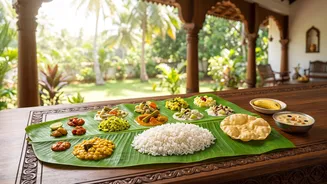
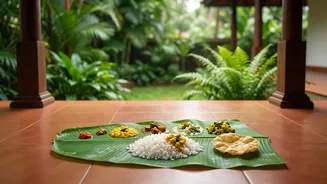
The soul of Onam can be tasted in its food, specifically the Onam Sadya, a grand vegetarian feast. While many hotels offer it, seek out a more authentic experience at a local home, a community celebration, or a temple feast like the one at Thrikkakara. A Sadya is an elaborate affair with up to 28 dishes served on a single banana leaf, each with its designated spot. From tangy pickles and crisp banana chips to an array of vegetable preparations like 'avial' and 'thoran', and multiple sweet 'payasams' for dessert, it’s a culinary journey. The specific order and placement of each dish are part of a tradition designed to create a perfect balance of flavours—sweet, salty, sour, and spicy. Sharing this meal is an act of unity and abundance central to the Onam spirit.
Explore Lesser-Known Village Folk Arts
To step even further off the beaten path, explore the smaller towns and villages where unique Onam folk traditions thrive. In parts of Thrissur and Palakkad, you might encounter 'Kummattikali,' a colourful mask-dance where performers wear outfits woven from grass and large, painted wooden masks representing gods and mythical figures. In some northern districts, 'Onathallu' is practised, a traditional form of ritualistic, unarmed combat that showcases agility and strength. Another beautiful tradition is 'Thumbi Thullal,' a graceful folk dance performed by women who sing and clap in a circle around a central performer. Witnessing these local art forms offers an intimate and authentic connection to Kerala’s rich cultural heritage during its most cherished festival.