








Registration and Documentation: Your First Step
Before anything else, you must register for the Yatra. The Shri Amarnathji Shrine Board (SASB) manages this process, which can be done online through their official website or offline via designated bank branches. Registration requires a few key documents:
a valid photo ID like an Aadhaar card, passport-sized photographs, and, most importantly, a Compulsory Health Certificate (CHC). This certificate must be issued by a doctor or medical institution authorised by the SASB and is mandatory for all pilgrims to ensure they are fit for the high-altitude trek. There are also strict age limits; children below 13 and adults above 70 are not permitted to undertake the pilgrimage. Once registered, you will be issued a Yatra Permit and a Radio Frequency Identification (RFID) card, which you must carry at all times during the journey.
Physical and Medical Preparedness
The Amarnath Yatra is physically demanding, taking you to altitudes of nearly 13,000 feet where oxygen levels are low. To prepare, start a fitness regimen at least a month in advance. Brisk walking or jogging for 4-5 kilometres daily can build stamina. Incorporating breathing exercises like Pranayama can help your body become more efficient with oxygen. It's crucial to be aware of the risks of Acute Mountain Sickness (AMS), which can cause symptoms like headaches, dizziness, and nausea. To prevent this, acclimatise properly, stay hydrated by drinking around 5 litres of water daily, and consume plenty of carbohydrates. Avoid alcohol, smoking, and caffeine, as they can worsen dehydration and AMS. If you have any pre-existing health conditions, consult your doctor before planning the trip.
The Essential Packing List: Clothing and Gear
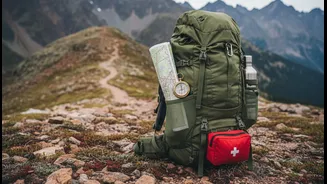
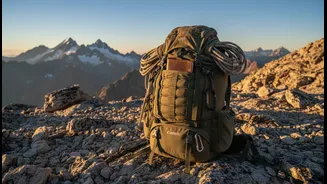
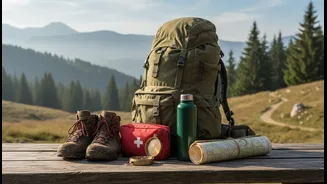
Packing correctly is crucial as the weather in the mountains is unpredictable and can change rapidly. The key is to layer your clothing. Pack thermal wear, woollen sweaters or fleece jackets, and a waterproof, windproof outer jacket. Waterproof trekking shoes with good grip are non-negotiable, as the trails can be uneven and slippery. Other essentials include several pairs of woollen socks, gloves, a woollen cap or balaclava, and a scarf. For women, a salwar kameez or tracksuit is advisable over a sari for comfort and ease of movement. Carry a sturdy, waterproof backpack to keep your belongings dry. A walking stick can provide valuable support on steep sections of the trek.
Must-Have Items for Your Backpack
Beyond clothing, several other items are essential for a smooth journey. Your personal medical kit should include any prescribed medications, along with basics like painkillers, bandages, antiseptic cream, and medication for altitude sickness as advised by your doctor. Sunscreen and lip balm are needed to protect against the harsh sun at high altitudes. Carry a torch or headlamp with extra batteries, a power bank for your phone, and sufficient cash, as digital payments may not be available everywhere. For communication, remember that only post-paid mobile connections work in the region. Pack high-energy snacks like dry fruits, chocolates, and glucose biscuits to keep your energy levels up during the trek. Always carry a reusable water bottle to stay hydrated.
Navigating the Yatra: On-Ground Tips
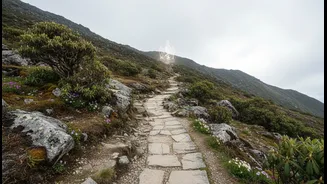
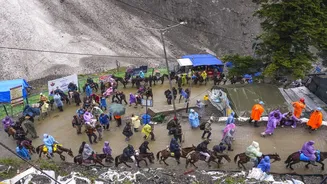
There are two main routes to the holy cave: the traditional, longer Pahalgam route (46 km) and the shorter, steeper Baltal route (14 km). First-time pilgrims are often advised to take the Pahalgam route for better acclimatisation. During the trek, always travel with your group and stick to the designated path. Do not attempt shortcuts, as they can be dangerous. Make use of the 'langars' (community kitchens) for food, but avoid overeating. Listen to your body; if you feel unwell, especially with symptoms of altitude sickness, inform your group and visit the nearest medical camp, which are set up every couple of kilometres along the route. Respect the fragile environment by not littering and avoiding the use of plastics.