

The Science of the Seed Coat
The primary reason whole pulses take longer to cook lies in their protective outer layer, known as the seed coat or husk. This coat is naturally tough and water-resistant, designed to protect the seed until conditions are right for germination. When you
cook a whole pulse, like whole urad or black chickpeas (kala chana), this fibrous skin acts as a barrier, slowing down the absorption of water. It takes significant time for heat and moisture to penetrate this layer and soften the starchy interior. Split pulses, or dals, on the other hand, have had this seed coat removed (a process called dehulling) and are then mechanically split. This instantly creates two advantages for the cook: there is no tough skin to bypass, and the surface area for water absorption is dramatically increased. Water can immediately access the interior of the pulse from all sides, leading to a much faster and more even cooking process.
To Soak or Not to Soak?
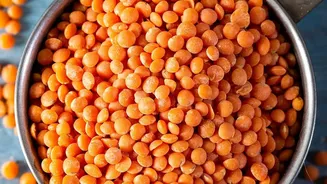
This cooking time difference is why soaking is highly recommended for whole pulses but often optional for split ones. Soaking whole pulses like chickpeas, kidney beans (rajma), or whole moong overnight gives them a crucial head start. It allows water to slowly work its way through the seed coat, hydrating and beginning to soften the pulse long before it hits the heat. This can cut the final cooking time by half or more. For split, skinless dals like masoor dal (red lentils) or toor dal (split pigeon peas), soaking is less critical. Because they lack the protective husk, they absorb water very quickly during cooking. Many split dals can go from dry to fully cooked in under 30 minutes without any pre-soaking, making them ideal for quick weeknight meals.
A Tale of Two Textures
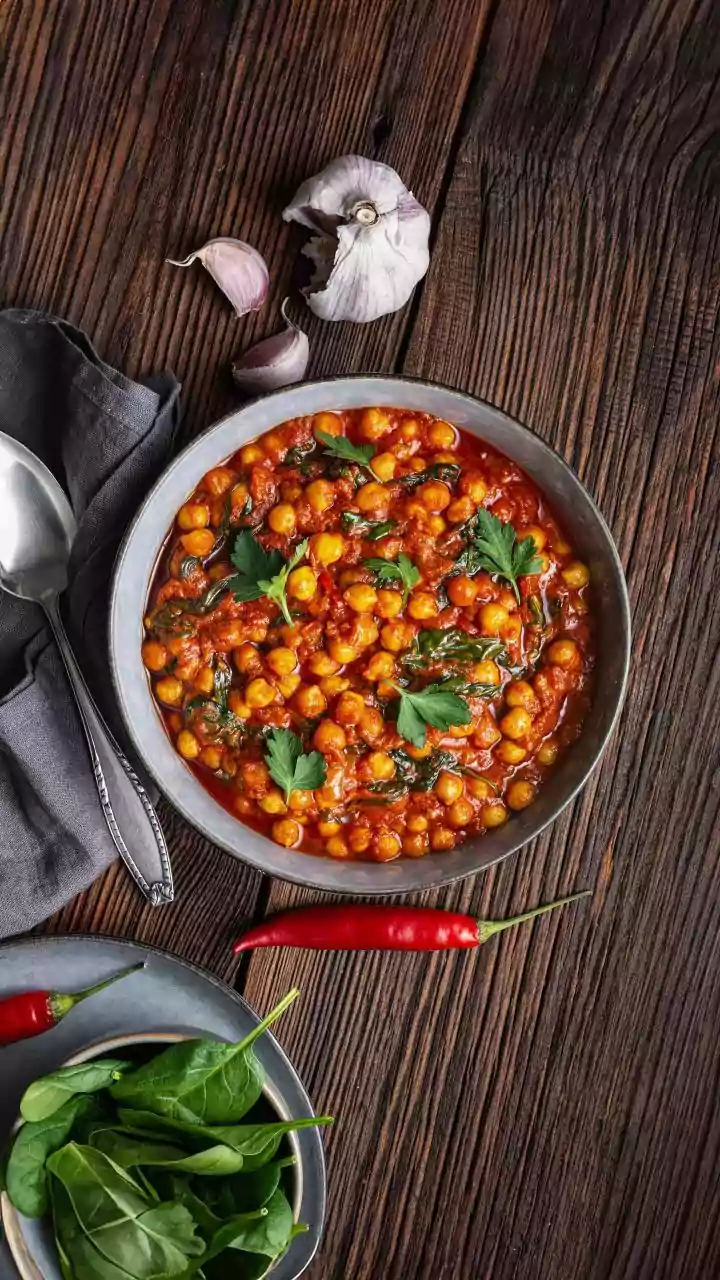
The choice between whole and split pulses is not just about time; it's also about the desired texture of your final dish. Because they hold their structure so well, whole pulses are perfect for recipes where you want a distinct, firm bite. Think of a hearty chana masala, a rajma curry, or a sprouted moong salad. The intact seed coat helps each pulse remain separate and firm, even after prolonged cooking. Split pulses, conversely, are prized for their ability to break down and create a creamy, thick consistency. When cooked, split lentils and dals readily disintegrate, melting into a smooth, homogenous base. This makes them the perfect choice for classic Indian dishes like dal tadka, sambar, and khichdi, where a soupy or porridge-like texture is the goal.
The Nutritional Trade-Off
While splitting a pulse makes it cook faster, it does come with a small nutritional cost. That tough outer seed coat is an excellent source of dietary fibre, particularly insoluble fibre, which is crucial for digestive health. When a pulse is dehulled to make dal, a significant portion of this fibre is lost. Studies show that dehulled peas, chickpeas, and lentils can have a 35-65% reduction in insoluble dietary fibre compared to their whole counterparts. Furthermore, the seed coat contains a concentration of beneficial minerals and phytochemicals, including antioxidants. So, while split dal is still incredibly nutritious, the whole version packs an extra punch of fibre and nutrients.
Whole vs. Split: A Quick Guide
So, which one should you choose? It all depends on your dish and your schedule. Choose WHOLE pulses when: - You have time for soaking and longer cooking. - You want a firm, chewy texture. - You're making salads, firm curries (like dal makhani with whole urad), or dishes where the pulse should hold its shape. - You want to maximize your dietary fibre intake. Choose SPLIT pulses (dals) when: - You need a quick meal with minimal prep. - You desire a creamy, smooth, or soupy texture. - You are making classic dals, khichdi, or purees. - Digestibility is a priority, as skinless dals are generally considered lighter and easier to digest.