





The New Fashion Equation
The worlds of centuries-old weaving traditions and hyper-current streetwear may seem miles apart, but a new generation of Indian designers is proving they are a perfect match. Brands led by Gen Z and millennial creators are turning to local artisan clusters
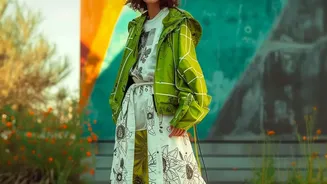
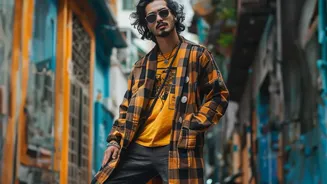
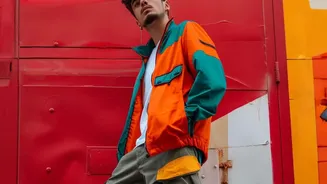
to create collections that feel both globally relevant and deeply rooted. Instead of seeing handloom as something reserved for saris or festive occasions, they see a canvas for hoodies, oversized jackets, and contemporary co-ord sets. This movement is reimagining heritage fabrics like Khadi, Ikat, and Jamdani, transforming them from nostalgic textiles into the building blocks of modern, everyday style.
A Partnership of Principle
This collaboration is about more than just aesthetics; it's driven by a shared set of values. Gen Z consumers are increasingly demanding transparency, sustainability, and ethical production from the brands they support. Handloom, by its very nature, ticks all these boxes. It’s a slow, low-impact process that sustains communities and uses minimal energy compared to factory production. For many young designers, working directly with weavers is a way to reject the wasteful cycle of fast fashion and create clothes that tell a story of conscious craftsmanship. It’s a vote for a fashion ecosystem that is fairer, more sustainable, and more connected to its roots.
From Loom to Lookbook
The collaborative process is a two-way street of innovation. Designers bring fresh perspectives on silhouettes, colour palettes, and market trends, while weavers bring generations of technical skill and textile knowledge. This exchange helps artisans create market-ready products that appeal to a younger, global audience. Brands like NorBlack NorWhite have built their identity at this intersection of artisan textiles and global street culture, moving to India to work directly with weaver clusters. Similarly, online platforms like Nete have emerged to connect independent labels working with weavers to trend-conscious shoppers looking for story-driven style. The challenge lies in bridging communication gaps and adapting traditional techniques for modern cuts, but the results are unique garments that carry the imprint of their maker.
Wearing a Narrative
The final products of these collaborations are more than just clothes—they are wearable pieces of art. An Ikat-print bomber jacket, a Khadi jumpsuit, or a Banarasi-panelled denim jacket represents a fusion of past and present. For the consumer, owning such a piece is an investment in quality and individuality, a move away from mass-produced uniformity. Each item has a unique texture and character, a testament to the hand of the weaver. This resonates deeply with a generation that values authenticity and self-expression. Choosing to wear handloom streetwear is a statement; it says you appreciate both cutting-edge design and the rich heritage that informs it.