

An Ancient Answer for Modern Gardens
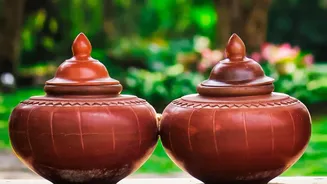
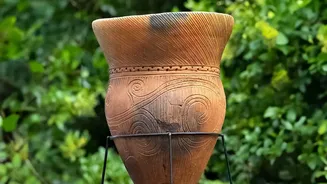
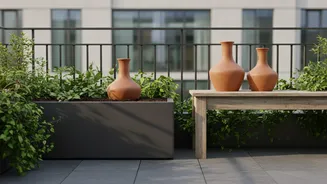
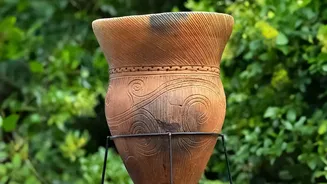
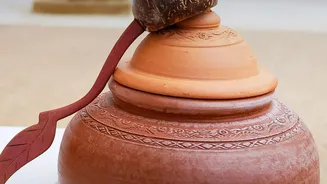
An olla (pronounced 'oh-yah') is an unglazed terracotta pot that is buried in soil and filled with water to provide slow, steady irrigation to plants. This method of watering is anything but new; it's an ancient technique used for millennia in arid regions
across the globe, from North Africa to China and the Americas. The principle is brilliantly simple: the porous clay allows water to seep out gradually, delivering moisture directly to the plant's root zone. For city dwellers with balcony gardens, this ancient technology offers a surprisingly modern solution to the common challenges of container gardening, such as rapid drying and the risk of over or under-watering.
How It Works: Nature's Smart Waterer
The magic of the olla lies in a natural process called soil moisture tension. The unglazed clay pot is filled with water and buried in your container, with only its neck protruding above the soil. As the surrounding soil dries out, it naturally 'pulls' water through the porous walls of the terracotta. When the soil is moist, such as after a rain, the water inside the olla stays put. This creates a self-regulating system. Your plants' roots instinctively grow towards and around the pot, forming a dense mat that can draw moisture as needed. This means your plants get a consistent supply of water right where they need it most, without any timers, pumps, or electricity. It's an entirely passive, energy-free system that responds directly to the needs of your plants and their environment.
Big Benefits for Small Spaces
For a compact city balcony garden, ollas are a game-changer. Their greatest advantage is water efficiency. Because the water is delivered underground, there is minimal loss to evaporation or runoff, which is a major issue with surface watering in sun-baked containers. This method can reduce water consumption by 50% to 70% compared to conventional watering. This system also promotes healthier, more resilient plants. The consistent moisture prevents the stress of wet-dry cycles, which can cause problems like blossom end rot in tomatoes or cracked fruit. Furthermore, keeping the soil surface and plant leaves dry helps to suppress weed growth and reduce the risk of fungal diseases. For the busy urbanite, the low-maintenance aspect is a huge plus; you simply fill the pot every few days, and it takes care of the rest.
Getting Started with Olla Irrigation
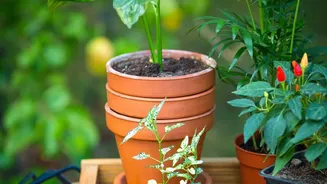
Using an olla in your balcony containers is straightforward. First, choose an olla size appropriate for your pot; smaller, cylindrical ollas are often perfect for container gardening. When you're potting your plant, place the empty olla in the container first. Bury it so that only the neck is above the soil line. Then, add your soil and plant around it, positioning plants relatively close to the pot. Once everything is in place, fill the olla with water and cover the opening with its lid or a stone. This prevents evaporation and keeps mosquitos and debris out. You'll need to refill the olla every few days to a week, depending on the size of the pot, the weather, and your plants' thirst. Just check the water level and top it up as needed. Do not add liquid fertilizer to the olla, as it can clog the clay's pores.
What to Plant and What to Know
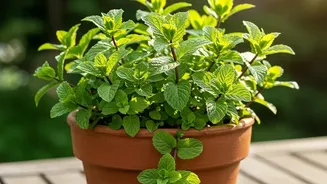
Ollas work best with plants that have fibrous root systems and appreciate consistent moisture. Thirsty vegetables like tomatoes, peppers, squash, and cucumbers are ideal candidates. Tomatoes, in particular, thrive with olla irrigation because it prevents the moisture fluctuations that cause common issues. Many herbs, such as basil and mint, also do very well. Plants that prefer very dry conditions or have aggressive, woody roots that could potentially break the pot might be less suitable. It's also important to remember that in climates with hard freezes, you should remove and store your ollas during the winter to prevent them from cracking.