





Prioritise Health Beyond the Common Cold
The monsoon is a breeding season for various illnesses far more serious than a simple cold. The high moisture enables harmful microorganisms to thrive. Mosquito-borne diseases like dengue and malaria see a sharp rise; India contributes significantly to the
global numbers for both. It's crucial to prevent water from stagnating in and around your home—in coolers, pots, or containers—to stop mosquito breeding. Water-borne diseases like typhoid, jaundice, and gastroenteritis are also rampant due to potential contamination of water sources. Health advisories consistently recommend drinking only boiled or filtered water and avoiding street food that might be prepared with unsafe water. Fungal infections are another concern due to high humidity and damp clothes, so maintaining personal hygiene and keeping dry is essential.
A Commuter's Guide to Monsoon Travel
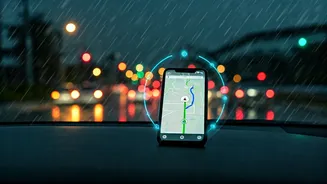
Getting from one place to another becomes a daily challenge during heavy rains. Smart commuting begins before you even step out. Driving requires extra caution as the first rains make roads exceptionally slippery. Ensure your car's essentials—tyres, brakes, and wipers—are in top condition. Braking distances increase on wet roads, so maintaining a safe distance from the vehicle ahead is critical. For everyone, travel can be unpredictable with traffic jams and flooded streets. It’s wise to allow for extra travel time. Waterproofing your essential electronics and documents is a small step that can save a lot of trouble. When visibility is poor, especially during heavy downpours, it’s safer to pull over and wait for the rain to subside. Being considerate to pedestrians and two-wheeler riders, who are more exposed to the elements, is also part of safer monsoon travel.
Fortify Your Home Against Damp and Power Cuts
Your home needs a defence strategy against the monsoon's persistent dampness. High humidity can lead to mould and mildew, which can damage walls, furniture, and cause a musty odour. Ensuring proper ventilation by opening windows during dry spells can help circulate air and reduce moisture. For particularly damp areas like basements, bathrooms, and closets, using dehumidifiers or natural moisture absorbers like charcoal briquettes or silica gel pouches can be effective. It's also important to check for and seal any cracks in walls or around windows to prevent water seepage. Cleaning gutters and ensuring proper drainage away from your home's foundation prevents water accumulation. Power cuts are also common, so an emergency kit with flashlights, a first-aid box, and fully charged power banks is a modern necessity.
Leverage Digital Tools for Better Planning
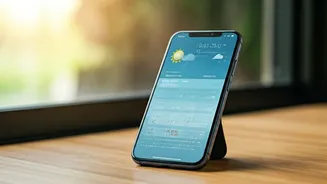
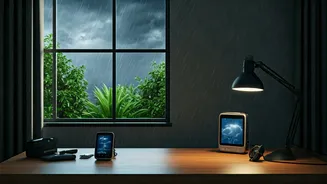
Being 'smarter' in your prep means using the tools at your disposal. Several weather apps provide hyper-local and real-time forecasts that are invaluable for daily planning. The government's official 'Mausam' app, developed by the IMD, provides forecasts and warnings for various parts of India. Other popular apps like AccuWeather are known for features like MinuteCast, which gives minute-by-minute precipitation forecasts, telling you exactly when the rain might start or stop. Skymet is another excellent Indian weather app for tracking the monsoon. Using these apps to check the forecast before leaving home can help you decide the best time to travel, what to wear, and whether to carry extra rain protection. Some apps also provide lightning alerts, which are crucial for personal safety if you are outdoors.