






Why B12 Is Non-Negotiable
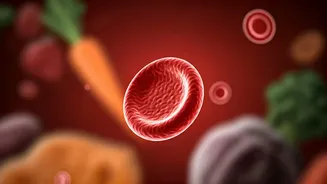
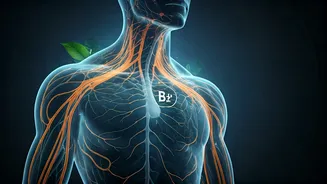
Vitamin B12, or cobalamin, is essential for several critical bodily functions. It plays a vital role in forming healthy red blood cells, which transport oxygen throughout your body. It's also necessary for the proper function and maintenance of your nervous
system, helping to create the protective sheath (myelin) that covers your nerves. Furthermore, B12 is a key player in DNA synthesis, the genetic material in all our cells. A deficiency can lead to significant health issues, including a type of anemia, fatigue, and even irreversible nerve damage if left unaddressed.
The Vegetarian's B12 Challenge
The primary challenge for vegetarians is that vitamin B12 is produced by microorganisms and is found almost exclusively in animal products like meat, fish, poultry, and dairy. Plant-based foods do not naturally contain reliable amounts of B12. While some fermented foods like tempeh, or sea vegetables like nori, may contain small amounts, they are generally not considered sufficient or reliable sources to prevent a deficiency. In fact, some of these can contain an inactive form of B12 that can interfere with the absorption of the active form your body needs. This makes it crucial for vegetarians, and especially vegans, to be proactive about their intake.
Recognising the Signs of a Shortfall
Vitamin B12 deficiency symptoms often develop gradually and can be subtle at first. Common early signs include persistent fatigue, weakness, pale skin, shortness of breath, and heart palpitations. As it progresses, neurological symptoms may appear, such as a tingling or 'pins and needles' sensation in the hands and feet, difficulty with balance, memory problems, and changes in mood. Because the body can store B12 for several years, a deficiency may not become apparent until long after a dietary change. If you experience these symptoms, consulting a doctor for a blood test is essential.
Lacto-Ovo Vegetarian Sources
For vegetarians who consume dairy and eggs (lacto-ovo vegetarians), meeting B12 needs is more straightforward. Dairy products are a reliable source; one cup of low-fat milk can provide about half of your recommended daily intake of 2.4 micrograms (mcg). Yogurt and cheese are also good contributors. For instance, an ounce of cheddar cheese contains around 0.5 mcg of B12. Eggs are another excellent option, with one large hard-boiled egg providing approximately 0.5 to 0.7 mcg of this vital nutrient.
Fortified Foods: A Modern Solution
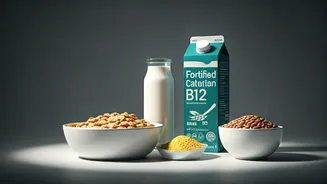
For all vegetarians, and particularly for vegans, fortified foods are a key strategy. Many food manufacturers add vitamin B12 to products to help people meet their nutritional needs. Excellent options include fortified breakfast cereals, plant-based milks (like soy, almond, or oat), meat substitutes, and vegan spreads. It's important to read labels, as not all products are fortified. Nutritional yeast is a standout in this category; often sold as flakes, it has a cheesy, nutty flavour and can be sprinkled on everything from popcorn to pasta. Just one tablespoon of fully fortified nutritional yeast can provide 2.4 mcg of B12, meeting your entire daily requirement.
The Role of Supplements
If you struggle to get enough B12 from your diet, supplements are a safe and effective option. Given that the recommended daily amount for adults is about 2.4 mcg, a supplement can easily fill any gaps. For those with low levels, a healthcare provider might recommend a higher daily dose, such as 1,000 mcg, as the body only absorbs a small fraction of what's ingested from a high-dose supplement. B12 supplements are water-soluble, meaning your body excretes what it doesn't need, making them generally safe even at high doses. However, it is always best to discuss supplementation with a doctor to determine the right dosage for your specific needs.