







A Tangy, Regional Renaissance
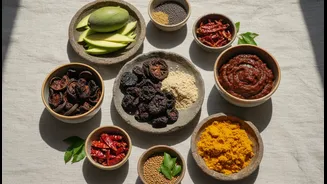
For generations, souring agents have been the secret weapon in regional Indian cooking, balancing robust flavours long before tomatoes became ubiquitous. While tamarind, with its sharp, pungent kick, has long been a staple across the subcontinent, particularly
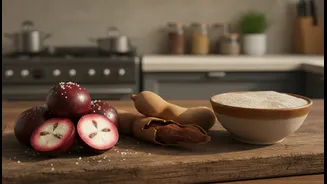
in the south, other regional stars are now entering the spotlight. Kokum, a fruit from the mangosteen family native to the Western Ghats, is chief among them. Traditionally the soul of coastal dishes from Maharashtra, Goa, and Karnataka, its mellow, floral tartness is finding a new, wider audience. Chefs are looking beyond generic curries and rediscovering a whole palette of regional souring agents, from the kachampuli vinegar of Coorg to the wild berries of Rajasthan. This is not just about swapping one ingredient for another; it is about celebrating the specific, complex, and exciting flavours of India's hyper-regional kitchens.
From Coastal Staple to Cocktail Star
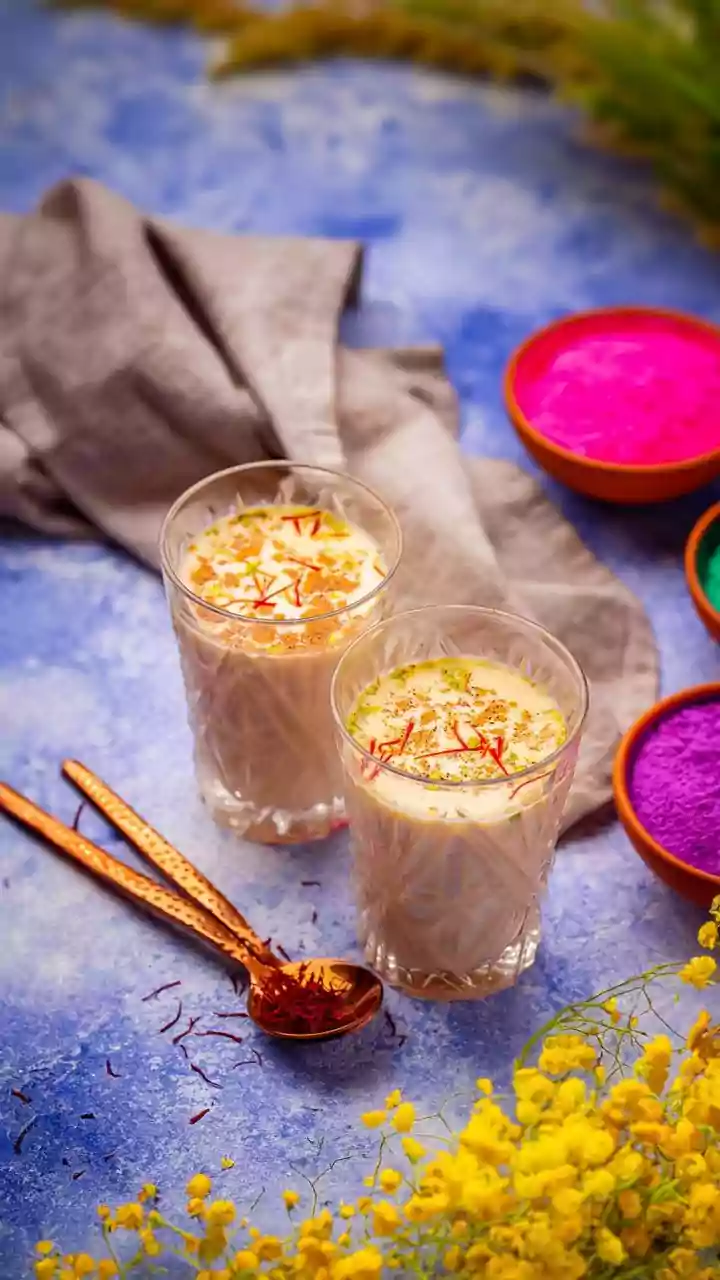
The evolution of kokum is a perfect example of this trend. Once primarily used to lend a pleasant acidity and pinkish hue to fish curries and the digestive drink Sol Kadhi, it is now a star in urban cafes and bars. Its vibrant colour and clean, fruity sourness make it an ideal base for artisanal sodas, coolers, and cocktails that offer a distinct sense of place. Diners who may never have tasted it in a traditional curry are now experiencing it in a craft beverage. This new versatility extends to the plate, with chefs creatively using kokum in everything from ramen broths and ceviche to gourmet sauces and desserts, proving its flexibility beyond its coastal home.
The Fermentation Funk
Alongside this embrace of sourness is a renewed passion for fermentation. An ancient technique used across India for preservation and flavour—from dosa batter to pickles—fermentation is experiencing a major comeback in modern kitchens. This revival is driven by a growing awareness of gut health and a chef-led desire for complex, unique flavours that cannot be replicated. Restaurants in major cities are now proudly showcasing their own in-house ferments, from kombuchas and chilli pastes to misos made from indigenous grains. This is more than a trend; it's a return to tradition with a new level of scientific understanding. Fermentation not only adds depth and a unique umami taste but also enhances digestibility and nutrient absorption.
Beyond the Spice Box
This embrace of sour and fermented profiles signifies a deeper change in Indian cuisine: a move towards authenticity, sustainability, and regional pride. Chefs are looking inward, reviving forgotten recipes and championing indigenous ingredients that tell a story. Using local souring agents and fermentation techniques also aligns with sustainable practices, reducing food waste by preserving seasonal produce. This shift proves that modern Indian food is not just about new techniques or fancy plating. It is about having the confidence to celebrate the true diversity of the subcontinent's flavours, moving beyond the monolithic idea of a single "Indian curry" and presenting a richer, more nuanced culinary identity to the world.