
The Great Bulk-Buying Myth
Walking down the aisles of a supermarket, the allure of a 'buy one, get one free' offer or a massive 'family pack' is hard to resist. The prices seem too good to pass up. But for smaller households, this is often a trap. While buying in bulk appears economical,
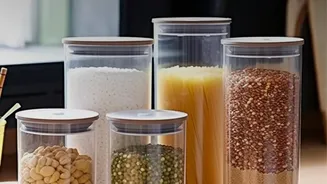
it frequently leads to more waste. That giant bag of potatoes or jumbo pack of chicken breasts may be a good deal per unit, but it's not a saving if half of it spoils before you can use it. Research shows that impulse buys and purchasing food in bulk to get retailer discounts are key contributors to household food waste. Instead of being a money-saver, bulk buying for a small family can mean you are essentially paying to throw food away. The key is shifting your mindset from the perceived value of the package to the actual value you will get from it. It's more economical to buy what you need at a slightly higher price per gram than to buy a large quantity that ends up in the bin.
Shop for the Week You Have, Not the Week You Want
The most effective way to control portions starts before you even turn on the stove—it starts at the grocery store. Plan your meals for the week. A simple plan helps you create a precise shopping list, which is your best defence against impulse purchases and over-buying. Before you shop, do a quick audit of your fridge and pantry. Plan your first few meals around what needs to be used up first. When you are at the store, stick to your list. Whenever possible, buy loose produce instead of pre-packaged bags. This allows you to buy the exact number of carrots or onions you need for your recipes, rather than being stuck with a whole bag. If you only shop once a week, buy hardier vegetables like potatoes, carrots, and cabbage for later in the week, and use delicate leafy greens and softer vegetables first. Consider two smaller shopping trips a week instead of one large one to keep produce fresh and reduce spoilage.
Mastering the Art of 'Just Enough'
Cooking for one or two people can feel challenging when most recipes are designed to serve four or six. However, many recipes for dishes like soups, stews, and casseroles can be easily halved. Pay attention to your cookware; using a smaller pan or pot helps ingredients cook properly and prevents you from making a giant batch out of habit. Small-batch cooking is about preparing enough for the moment, which reduces food waste and makes daily cooking more manageable. Another effective strategy is 'cook once, eat twice'. This doesn't mean eating the same boring leftovers for days. It means being strategic. For example, roast a whole chicken. Have it for dinner one night, then use the leftover meat for sandwiches, salads, or tacos over the next couple of days. This approach saves time and ensures ingredients are used completely.
Embrace Your Freezer, Your Ally Against Waste
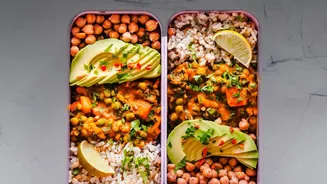
Your freezer is one of the most powerful tools in your kitchen for managing portions and reducing waste. When you do take advantage of a sale on a larger package of meat, divide it into smaller, meal-sized portions as soon as you get home. Wrap them well and freeze them immediately. The same goes for bread, which freezes remarkably well. You can also freeze leftovers in individual portions for quick meals on busy days. Muffin tins or ice cube trays are great for freezing small portions of things like soup, chilli, or even chopped herbs in oil. This practice of batch cooking and freezing not only saves you from the monotony of eating the same thing all week but also ensures you have a variety of home-cooked meals ready to go, reducing the temptation to order takeout.
Get Creative with Leftovers and Scraps
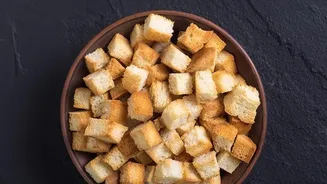
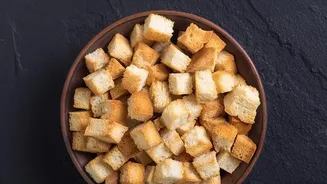
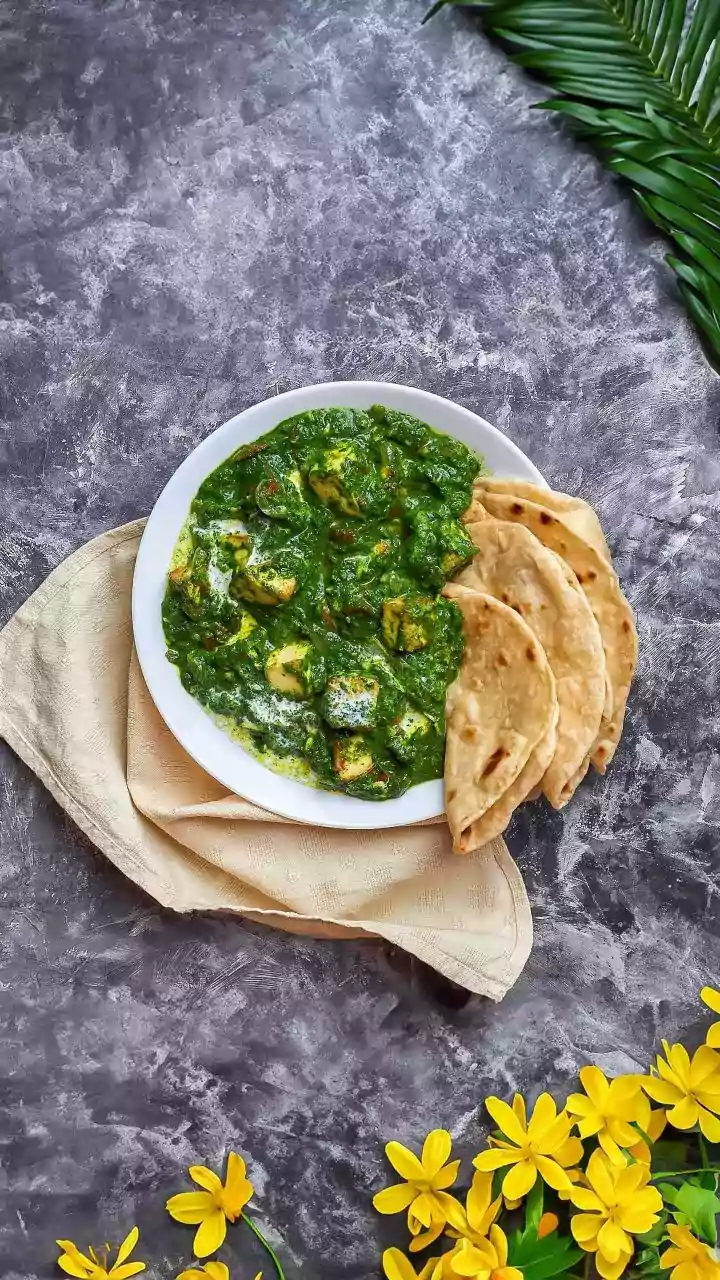
Instead of viewing leftovers as a chore, see them as ingredients for a new meal. That bit of leftover dal and sabzi can be layered with rice to create a brand-new biryani-style casserole. Stale bread can be transformed into croutons for soup or blitzed into breadcrumbs. Don't throw away vegetable peels and scraps like onion skins or carrot ends; collect them in a bag in the freezer and when it's full, simmer them to make a flavourful homemade vegetable stock. Even small amounts of food can be repurposed. The near-empty peanut butter or jam jar can be used to make overnight oats, infusing them with flavour. Thinking creatively about how to use every part of your food not only slashes waste but also stretches your budget and can lead to discovering new favourite dishes.