



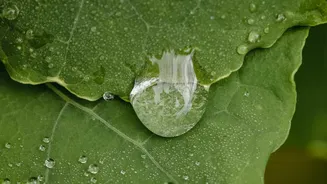

The Monsoon's Double-Edged Sword
For urban gardeners, the monsoon presents a unique challenge. While the rain offers a respite from manual watering, the sheer volume and force can be destructive in the contained environment of a balcony pot. The primary issue is overwatering. When soil
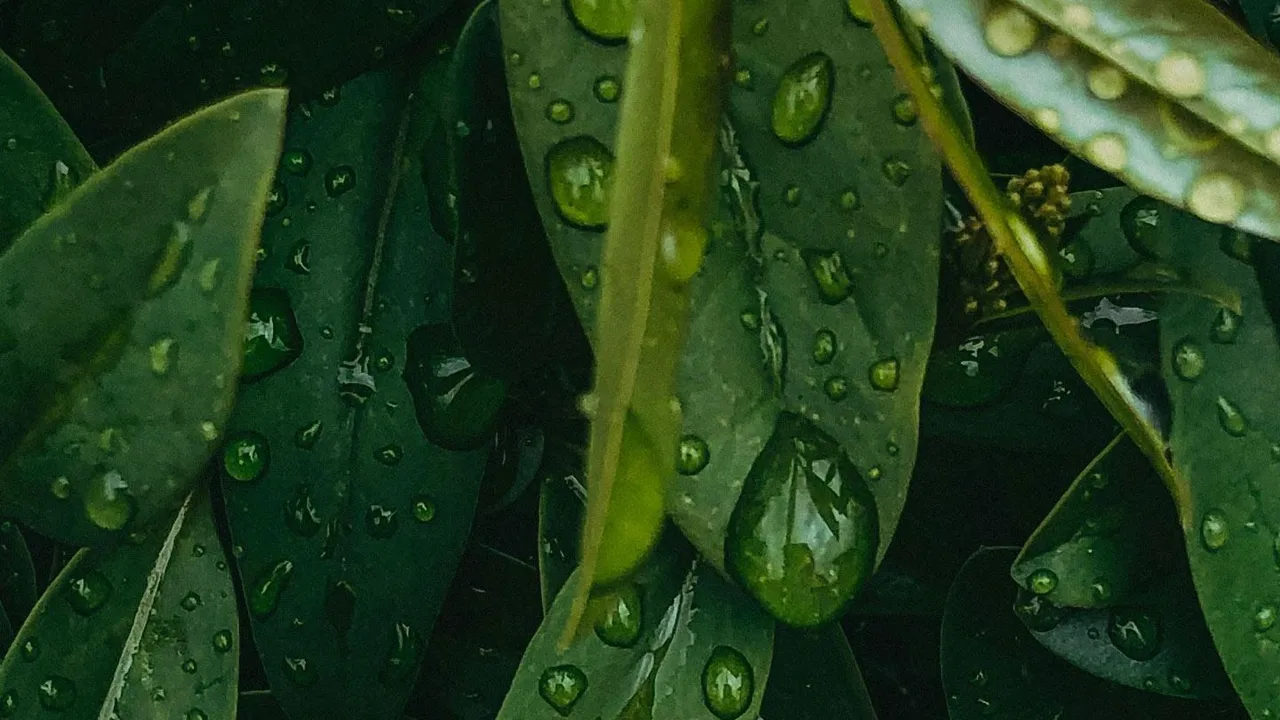
becomes waterlogged, air pockets that roots need to breathe are eliminated. This lack of oxygen can lead to root rot, a condition where roots decay, turn mushy, and lose their ability to absorb nutrients. Symptoms above the soil include yellowing leaves, stunted growth, and a generally unhealthy appearance. Beyond root damage, intense rain causes a phenomenon called nutrient leaching. Essential water-soluble nutrients, which you may have added through fertilisers, are literally washed out of the soil, leaving your plants starved and weak. The constant hammering of raindrops can also compact the soil, making it dense and further reducing aeration and drainage.
Introducing Modular Rain Shields
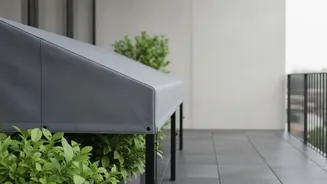
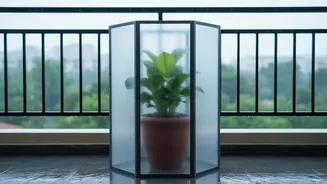
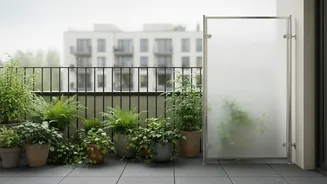
A modular rain shield is a simple but effective solution to counter the monsoon's intensity. The concept is straightforward: a physical barrier that deflects heavy rain from hitting your pots directly. The 'modular' aspect means these shields can be adapted, combined, or easily moved to suit different pot sizes and balcony configurations. This is not necessarily a high-tech, expensive product. A shield can be a sophisticated commercial cover system, but it can also be a clever do-it-yourself (DIY) creation. Materials like corrugated plastic sheets, acrylic panels, or even large, sturdy plastic trays can be fashioned into effective covers. The key is that they are non-permanent; you can put them in place during a heavy downpour and remove them when the weather is clear to allow your plants to receive gentle rain and sunlight.
How Shields Preserve Soil Health
By physically blocking the deluge, rain shields give you back control over how much water your plants receive. This is the first and most crucial step in preventing waterlogged soil and the resulting root rot. Instead of the soil being perpetually saturated, it has a chance to dry out slightly between waterings, maintaining the essential balance of moisture and oxygen. Secondly, shields are instrumental in preventing nutrient leaching. When you prevent a large volume of water from flowing through the pot, you keep the vital nutrients right where they belong: in the soil, available to the plant's roots. This means your fertiliser applications are more effective, and your plants have a consistent supply of food to stay healthy. Finally, shields protect the soil structure itself. By absorbing the impact of heavy raindrops, they prevent the topsoil from being compacted or washed away, preserving a light and well-aerated medium that healthy roots love.
Creating Your Own Rain Protection
Creating a DIY rain shield is a practical weekend project. One of the simplest methods involves using clear plastic or acrylic sheets. You can cut them to size and mount them on small stakes inserted into the pot, creating a small angled roof over the soil. Another popular DIY method involves repurposing large, shallow plastic trays or containers. By cutting a hole for the plant's stem, you can place the tray directly over the pot's surface to deflect rain. For a less rigid option, some gardeners use thick plastic sheeting or tarps stretched over a simple frame made of bamboo or PVC pipes. Even a strategically placed umbrella can work in a pinch for an isolated plant. When building or buying, look for materials that are lightweight, waterproof, and durable. The design should allow for ventilation and be easy to install and remove as the weather changes.
Beyond Shields: Essential Monsoon Care
While shields are highly effective, they work best as part of a broader monsoon care strategy. Ensure every pot has clear drainage holes. If water can't escape, even a shield won't prevent waterlogging. Elevating your pots on bricks or plant stands can also improve drainage and airflow. Always check the soil moisture before watering manually. During the monsoon, you will need to water far less frequently. Use the 'finger test': if the top inch of soil is still moist, wait longer. Finally, consider the soil mix itself. Using a light, well-draining potting mix—often containing components like cocopeat and perlite—is fundamental for container gardening, especially in a rainy climate.