





What Exactly Is Fermented Rice Water?
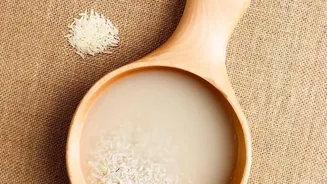
At its core, rice water is the starchy liquid left over after soaking or boiling rice. The fermented version takes it a step further. After the rice is strained, this milky water is left to sit at room temperature for one to two days. During this time,
a natural fermentation process begins, which slightly sours the liquid. Proponents believe this process enhances the water's nutrient profile, lowers its pH to be closer to that of human hair, and increases the concentration of beneficial compounds like antioxidants. The result is a cloudy, slightly acidic liquid packed with vitamins, minerals, and amino acids.
An Ancient Tradition Turned Viral Trend
While it might seem like a new discovery, the use of rice water for hair care is a centuries-old practice, particularly in Asia. Perhaps the most famous example comes from the Red Yao women of Huangluo village in China, who are renowned for their exceptionally long, strong, and healthy hair. Their secret, passed down through generations, is washing their hair with fermented rice water. Similarly, court ladies in Japan during the Heian Period (794 to 1185 CE) were also known to comb their floor-length hair with rice water to keep it healthy and strong. The current trend simply revives this historical wisdom for a modern audience.
The Claimed Benefits: From Growth to Glow
Wellness creators and users attribute a wide range of benefits to this simple elixir. For hair, the primary claims include strengthening strands, reducing breakage, promoting growth, increasing shine, and detangling. The star ingredient often cited is inositol, a carbohydrate that can penetrate the hair shaft and may help repair damage from within. For skin, the starchy liquid is said to have soothing properties, with some anecdotal reports suggesting it can help with irritation and improve skin barrier function. Fermentation is believed to boost antioxidant levels, which help protect both hair and skin from environmental damage.
Hype vs. Reality: What Does Science Say?
Here's where things get complicated. While the tradition is strong and anecdotal evidence is plentiful, large-scale scientific studies on fermented rice water are limited. Much of the evidence is based on the known benefits of its individual components. For example, rice water does contain amino acids, vitamins B and E, and minerals that are essential for hair health. However, studies on these nutrients often involve oral supplements, not topical application. There is some research suggesting that inositol remains in the hair even after rinsing, offering a protective effect. Ultimately, while the ingredients are promising, there is no conclusive scientific proof that rice water directly stimulates hair growth faster than its natural rate.
How to Make and Use It at Home
Curious to try it yourself? The process is simple. Start by rinsing about half a cup of uncooked rice to remove any impurities. Then, soak the rinsed rice in two to three cups of water for at least 30 minutes. Strain the liquid into a clean jar, and this is your basic rice water. To ferment it, cover the jar and leave it at room temperature for 12 to 48 hours, or until it develops a slightly sour smell. Once fermented, store it in the refrigerator. To use, shampoo your hair as usual, then pour the rice water over your hair, massaging it into your scalp and strands. Let it sit for up to 20 minutes before rinsing thoroughly with warm water.
Potential Risks and Side Effects
Though generally considered safe, fermented rice water isn't for everyone. A primary risk is "protein overload." The amino acids and proteins in the water can build up on the hair, leading to stiffness, dryness, and even breakage, especially for those with low-porosity or protein-sensitive hair. Overuse can also lead to a starchy residue on the scalp, causing itchiness or flaking. Furthermore, homemade concoctions can become contaminated with unwanted bacteria if left to ferment for too long or stored improperly. It's always wise to start by using it only once a week and to perform a patch test to check for any sensitivity.