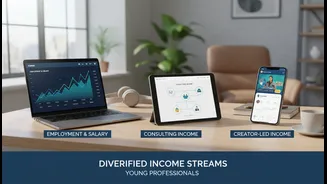










What is a Portfolio Career?
A portfolio career means you are no longer defined by a single job title but by a collection of your skills, projects, and income streams. Think of it like a diversified investment portfolio, but for your professional life. Instead of relying on one employer,
you might be a part-time marketing consultant, a freelance writer, and a weekend coding instructor all at once. This model allows professionals to combine multiple part-time jobs, consulting gigs, and entrepreneurial projects to create a tailored and flexible work life. It's a strategic move away from the traditional career ladder and towards a more dynamic web of opportunities that align with personal passions and financial goals.
The Built-In Engine for Upskilling
The very structure of a portfolio career creates a natural and continuous demand for new skills. When you take on a project in a new industry, you are pushed to learn its specific language, tools, and challenges. That new knowledge doesn't just stay in one lane; it cross-pollinates. Skills gained from a data analytics project for a retail client can be adapted for a healthcare startup, making you more versatile and valuable. This cycle of learning and applying skills across different contexts turns your career into a powerful engine for personal development, accelerating learning much faster than a single, repetitive role might allow.
From Specialist to Versatile Expert
Traditional careers often encourage professionals to become 'I-shaped'—deeply specialised in one area. A portfolio career, however, cultivates 'T-shaped' or even 'M-shaped' individuals who possess both deep expertise in a few core areas and a broad base of knowledge across others. Working across different sectors forces you to develop a wide range of transferable skills, such as project management, cross-functional communication, and adaptability. This versatility is highly sought after in today's unpredictable job market. It allows you to spot patterns and opportunities that a specialist embedded in a single industry might miss.
The Trend in India
This model is no longer a niche concept in India; it's a rapidly growing reality, especially among younger professionals. India's Gen Z workforce is increasingly embracing portfolio careers, balancing multiple professional identities and income streams. LinkedIn data shows that 75% of Gen Z entrepreneurs in India manage multiple sources of income. This shift is powered by the growth of the gig economy, with NITI Aayog projecting the number of gig workers to reach 23.5 million by 2030. The rise of remote work and digital platforms has made it easier than ever for professionals to find freelance projects, consult for companies globally, and monetise their unique skills.
Navigating the Challenges
Despite its advantages, the portfolio path is not without its difficulties. The most significant challenge is often income instability, as earnings can fluctuate based on project availability. This requires strong financial discipline and planning. Furthermore, managing multiple clients, deadlines, and responsibilities demands exceptional time management and self-discipline. You become your own CEO, which means you're also the accountant, marketer, and project manager. There's also the administrative burden of handling taxes and the potential lack of benefits like health insurance and paid leave that typically come with a full-time role.