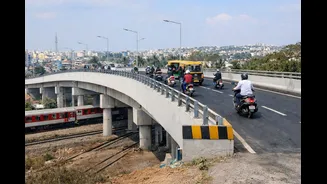



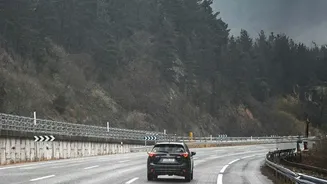
1. Drive and Ride Defensively
Wet roads significantly increase braking distances and reduce tyre grip, making defensive driving non-negotiable. Reduce your speed to well below the limit and double the distance between your vehicle and the one ahead. This gives you more time to react
to sudden stops or hazards. Ensure your tyres have adequate tread, as worn-out tyres are prone to hydroplaning, where a layer of water builds up and causes a loss of control. Before the season starts, get your brakes, wipers, and headlights checked to ensure they are in top condition. For two-wheeler riders, the risks are even greater. Be extra cautious of slippery painted road markings and manhole covers. Always wear a helmet and consider brightly coloured rain gear to improve your visibility to other motorists.
2. Navigate Waterlogged Streets with Extreme Caution
What looks like a simple puddle could be hiding a deep pothole or a dangerous open manhole. If you can, avoid driving through waterlogged areas altogether. If you must proceed, do so slowly and try to follow the path of other vehicles. Never attempt to restart a car that has stalled in deep water, as this can cause a hydrostatic lock, leading to catastrophic engine damage. For pedestrians, wading through floodwater is a serious health risk. The water is often a contaminated mix of sewage, garbage, and chemicals that can cause skin infections and other illnesses like leptospirosis. It can also hide sharp objects and downed power lines, posing a risk of injury or electrocution. If you must walk through water, wear sturdy, protective footwear and wash your legs and feet thoroughly with soap and water as soon as you get indoors.
3. Waterproof Your Essentials
Your phone, laptop, and other electronics are most vulnerable during a rainy commute. A good quality waterproof backpack is an excellent investment. For extra security, place gadgets inside sealed plastic bags or dry bags before putting them in your main bag. It's also wise to carry a power bank, as traffic jams and transit delays are common during downpours, and you don't want to be left with a dead phone. Beyond electronics, think about your own comfort. Pack a spare set of clothes and a dry towel in your office drawer or bag. Arriving at work drenched can be uncomfortable and unprofessional, and having a dry change can make a huge difference to your day.
4. Choose the Right Gear
Your choice of clothing and footwear is about more than just staying dry; it's about safety. Opt for footwear with excellent grip. Avoid leather shoes, which get ruined in water, and flip-flops, which offer no protection and can cause you to slip. Gum boots or sturdy waterproof sandals with good traction are far better choices. If you wear formal shoes for work, carry them in a separate bag and change once you arrive. When it comes to clothing, quick-dry fabrics are your friend. A reliable raincoat or poncho is a must. Choose brightly coloured outerwear to make yourself more visible to traffic, especially during heavy rain when visibility is poor for drivers.
5. Plan Ahead for Delays
The single most effective way to reduce commute stress during the monsoon is to accept that delays are inevitable and plan for them. Check the weather forecast and traffic updates on apps before you leave home. This can help you decide whether to leave earlier, take an alternate route, or even work from home if possible. During severe downpours, traffic can come to a standstill for hours. Inform your workplace and family about your route and expected travel time, especially if the weather is bad. Having snacks and a bottle of water in your bag is also a smart move, just in case you get stuck for a prolonged period. A little preparation turns a potential crisis into a manageable inconvenience.