



A Different Kind of Destination
Tucked away in the Kullu district, Tirthan Valley has long been considered one of Himachal's best-kept secrets. It’s the gateway to the Great Himalayan National Park (GHNP), a UNESCO World Heritage Site celebrated for its immense biodiversity. Unlike
many commercialised hill stations, Tirthan has consciously chosen a different path. The focus here isn't on building large resorts but on preserving the pristine environment and empowering the local community. This approach has gained significant recognition, including winning the overall title at the Indian Responsible Tourism Awards. The award celebrated the valley's cooperative model, which uses tourism to create better livelihoods for villagers while contributing directly to conservation.
Community at the Core
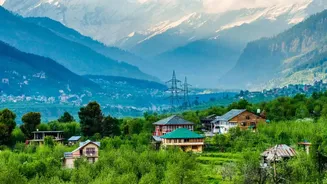
The secret to Tirthan's success is its people. The sustainable model is built on the active participation of the local community, which has a deep-rooted connection to the land. Instead of large hotel chains, the valley is dotted with traditional homestays run by local families. This ensures that tourism revenue flows directly into the local economy, providing livelihoods and giving residents a tangible stake in conservation. Organizations like the Tirthan Conservation and Tourism Development Association work to prevent unchecked commercialization, aiming to protect the valley from pollution and resource depletion. This community-led approach not only preserves the region's unique culture but also offers tourists a more authentic and intimate experience of Himachali life.
Guardian of the Great Himalayan National Park
Tirthan Valley serves as the eco-buffer zone for the Great Himalayan National Park, a vast expanse protecting rare species like the snow leopard and the western tragopan. The park itself is a core protected area with minimal human interference, making the surrounding valley's role even more critical. The tourism model here is designed around this responsibility. Local organizations and cooperatives have pioneered initiatives that link tourism with conservation. Treks and tours are conducted with a strict 'leave no trace' policy, and visitors are encouraged to use filtered water from refillable bottles to minimize plastic waste. This symbiotic relationship ensures that the natural beauty that draws tourists is fiercely protected for generations to come.
The Allure of the Offbeat
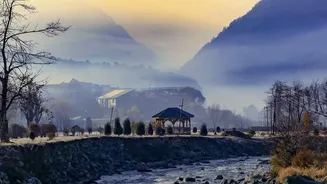
What makes Tirthan 'offbeat' is the absence of a typical tourist checklist. The joy of visiting lies in its simplicity and connection to nature. Activities are centered around the pristine Tirthan River and the surrounding forests. Anglers come for some of the best trout fishing in India, while trekkers can explore countless trails, from gentle village walks to challenging multi-day hikes into the national park. Travelers can visit serene spots like the Jibhi Waterfall, hike to the serene Serolsar Lake, or simply unwind by the river. It's a destination that encourages slowing down, breathing in the fresh mountain air, and appreciating the unspoiled landscape, a stark contrast to the crowded itineraries of mainstream tourism.