
The Journey Transforms the Destination
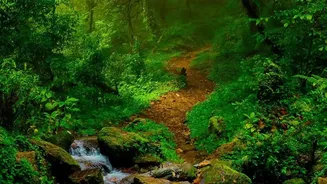
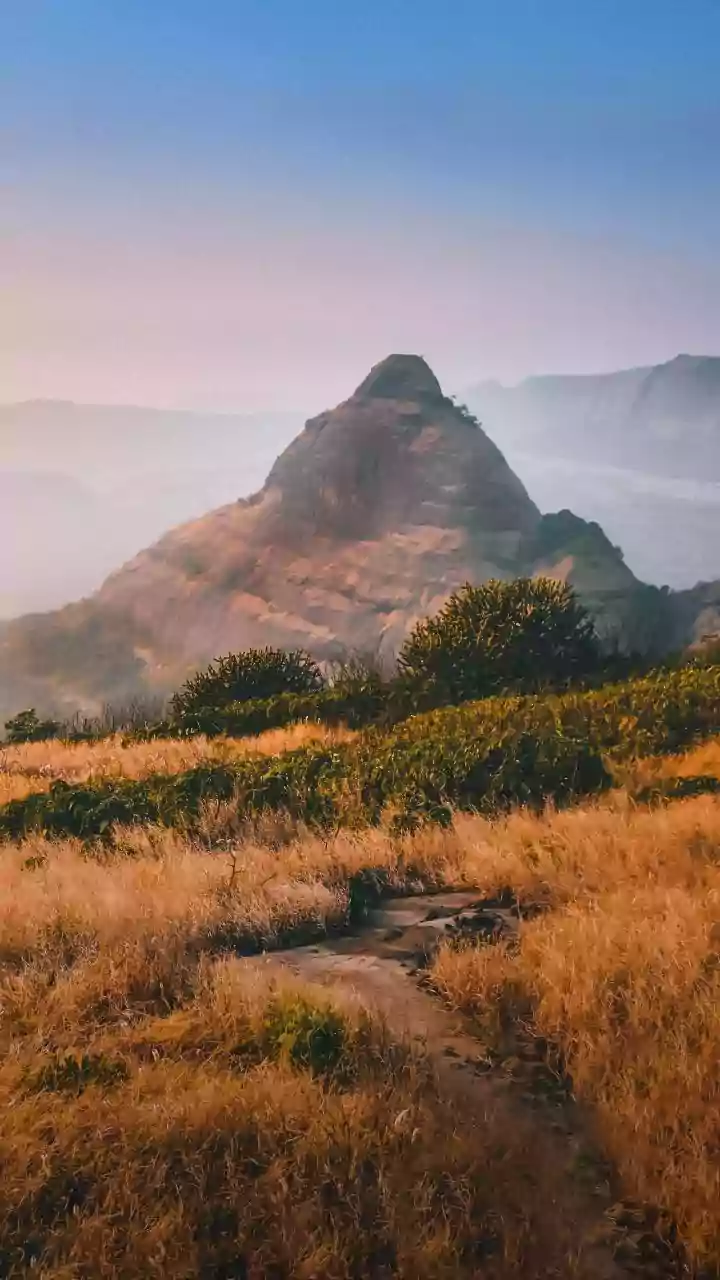
The roughly four to five-hour drive from Mumbai to Bhandardara is more than just a commute; it's a transition. The landscape shifts dramatically from urban sprawl to the winding, ghat roads of the Sahyadris. During monsoon, this journey comes alive. Every
turn reveals another small, unnamed waterfall cascading down dark basalt cliffs, and the air grows cooler and thick with mist. Unlike the congested expressway to Lonavala, the route to Bhandardara, particularly after Igatpuri, feels like a passage into a quieter, less commercialised world, making the drive itself a core part of the experience. It’s this feeling of leaving the crowds behind that sets the tone for the entire trip.
A Theatre of Thundering Waterfalls
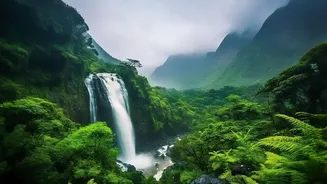
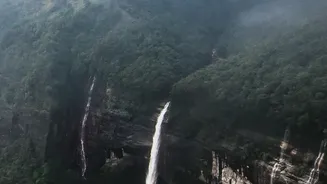
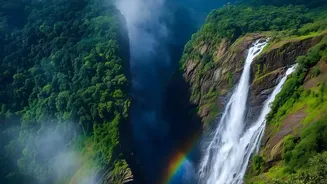
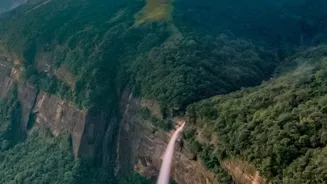
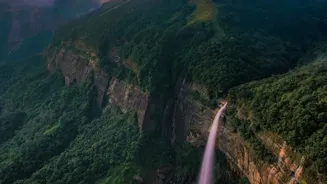
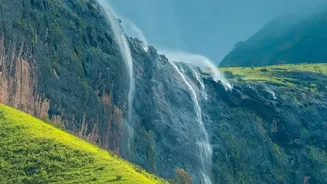
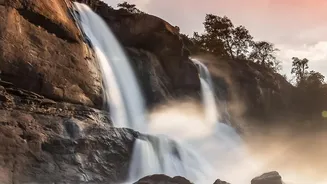
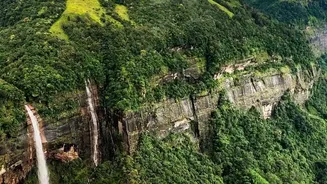
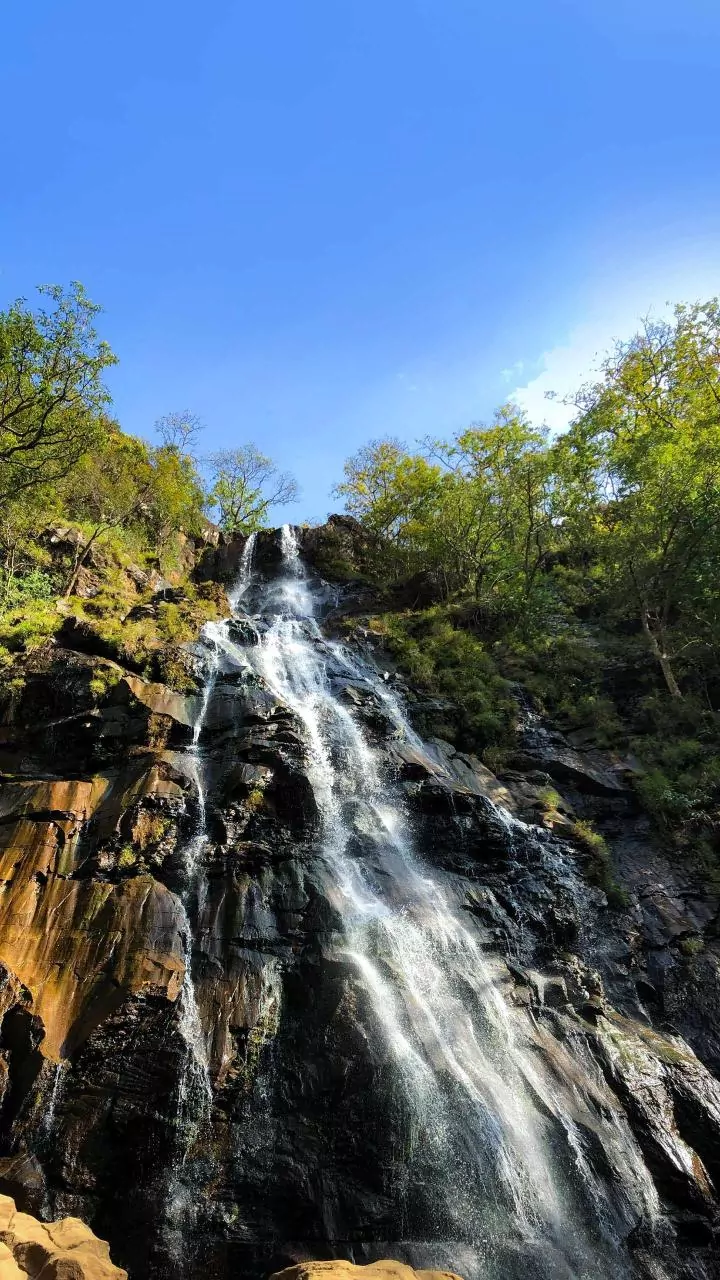
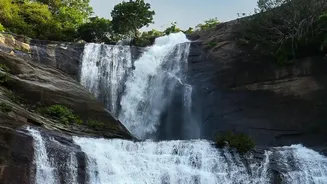
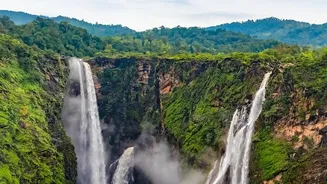
Bhandardara's popularity skyrockets in the monsoon for one primary reason: water. The region becomes a showcase of nature's power. The most famous is Randha Falls, where the Pravara River plunges 170 feet into a gorge, creating a mighty roar and a cloud of spray that envelops the viewing areas. Then there's the unique Umbrella Falls, a seasonal spectacle that forms only when the Wilson Dam overflows. The water cascades over a semi-circular wall, creating a shape reminiscent of an umbrella, best viewed from the footbridge below. Beyond these headliners, the entire area is dotted with countless other falls like Necklace and Vasundhara, making it feel like the hills themselves are alive and overflowing.
More Than Just Water: Lakes and Legends
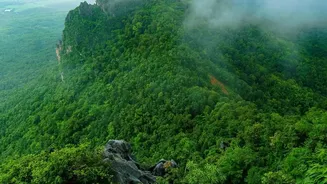
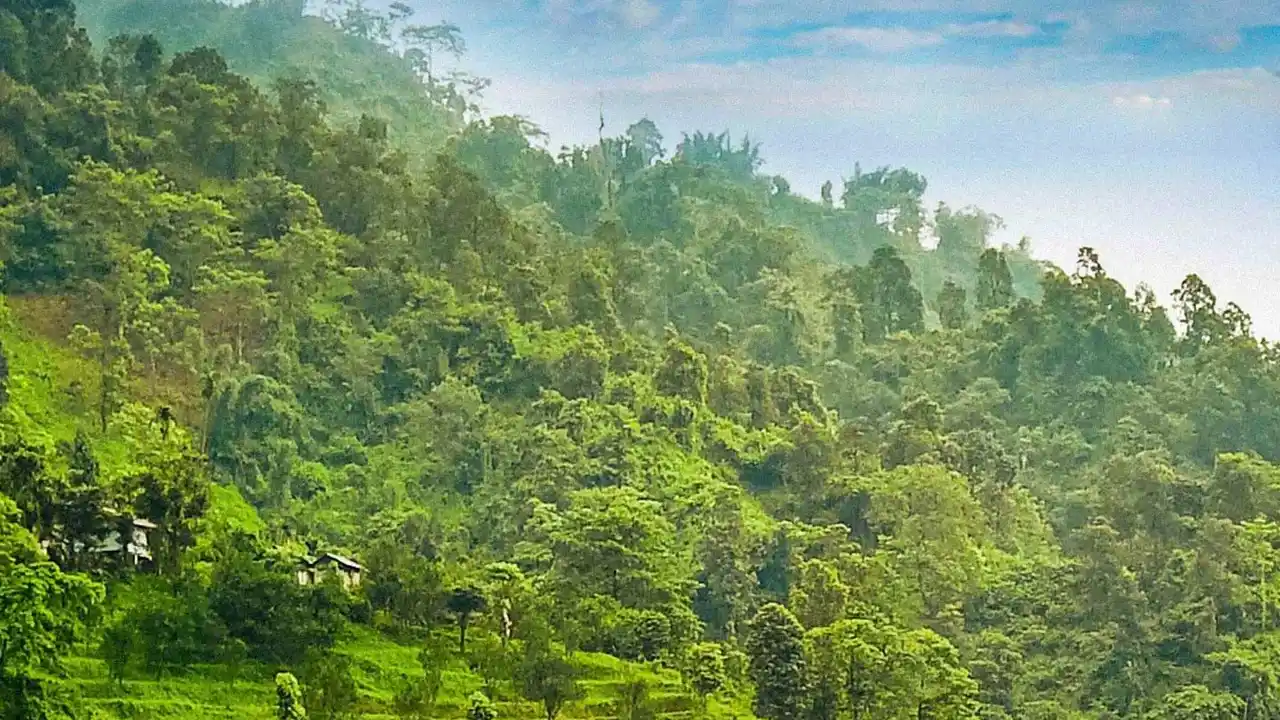
While the waterfalls are the main draw, Bhandardara's charm is deepened by its other attractions. At the heart of it all is the serene Arthur Lake, a vast body of water formed by the Wilson Dam. Surrounded by the lush Sahyadri hills, the lake's calm surface reflects the moody monsoon sky, offering a peaceful counterpoint to the roaring falls. For those interested in history and architecture, the ancient Amruteshwar Temple, built in the distinct Hemadpanti style, offers a spiritual stop. Believed to be over a thousand years old, this stone temple dedicated to Lord Shiva stands as a testament to the region's long history. This blend of natural grandeur and historical depth provides a richer, more varied experience.
The 'Offbeat' Advantage Over Crowded Alternatives
In a state where monsoon tourism often means battling crowds, Bhandardara maintains a refreshingly offbeat and tranquil atmosphere. It lacks the hyper-commercialisation of more accessible hill stations. You won't find sprawling amusement parks or jam-packed promenades. Instead, the focus remains on nature, adventure, and tranquility. The relative remoteness means that while it is popular, it rarely feels overwhelming. This makes it ideal for travellers seeking a genuine escape — whether for trekking up to Ratangad Fort, exploring the challenging Sandhan Valley, or simply enjoying the quiet of a village homestay. It offers a chance to connect with the raw beauty of the Western Ghats without the usual tourist rush.
Planning Your Monsoon Drive
The best time to experience this monsoon magic is from July to September, when the waterfalls are at their peak and the landscape is at its most vibrant green. When driving, be prepared for winding ghat roads that can be slippery during heavy rain, so caution is advised. Sturdy footwear is a must for exploring, as paths near waterfalls can be slick. A weekend trip of two to three days is ideal to comfortably explore the main sights without rushing. For accommodation, options range from the conveniently located MTDC resort to various homestays that offer a taste of local hospitality, but booking in advance is recommended, especially on weekends.