






What Exactly Are Compression Cubes?
You may have heard of packing cubes, the fabric organisers that bring order to a chaotic suitcase. Compression cubes are their more powerful sibling. While a regular packing cube is a simple zippered pouch for categorising clothes, a compression cube adds
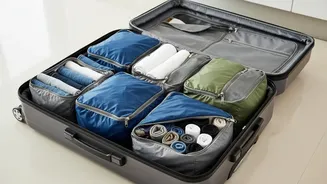
a second, outer zipper. After filling the cube, you zip this second zipper, which squeezes the cube and forces out excess air, significantly reducing the bulk of your clothes. It’s not a vacuum-seal that requires a pump; it's a clever mechanical design that compacts soft items like sweaters, T-shirts, and trousers, freeing up precious real estate inside your bag.
The Carry-On Only Advantage
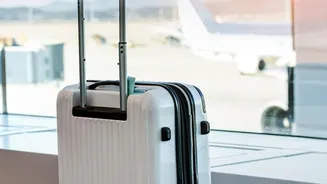
The primary goal of using compression cubes is to make carry-on-only travel a reality for more trips. By compacting your belongings, you can often fit what would normally require a checked bag into a smaller, cabin-approved suitcase. This strategy directly combats the two biggest pain points of checking luggage. First, you avoid fees, which have been steadily rising. Second, you eliminate the time spent waiting at baggage claim and, more importantly, the risk of your bag being delayed or lost entirely. Walking off the plane with all your possessions means your holiday starts the moment you land, not an hour later.
How to Pack Like a Pro
Using compression cubes effectively is an art. For best results, roll most of your clothing items tightly before placing them inside. This technique not only saves space but also helps minimise wrinkles. Organise by category: place tops in one cube, bottoms in another, and undergarments in a smaller one. This turns your suitcase into a set of mobile drawers, making it easy to find what you need without unpacking everything. Be careful not to overfill the cubes. A cube that is too full will be difficult to zip and can put stress on the seams. Aim for about 80% full before you engage the compression zipper for optimal results.
A Critical Warning on Weight
Here is the most important rule of compression packing: these cubes save space, not weight. While your bag may look deceptively small and neat, it can become very heavy, very quickly. This is especially crucial for travellers in India, where most domestic airlines strictly enforce a carry-on weight limit of 7 kilograms. Airlines like IndiGo, Air India, and SpiceJet all adhere to this common weight restriction, which includes the weight of the suitcase itself. Before heading to the airport, weigh your packed carry-on bag to ensure it complies with your airline’s rules. A small, dense, and overweight bag can lead to forced check-in at the gate, defeating the entire purpose of packing light.
Choosing the Right Cubes
When shopping for compression cubes, look for a few key features. Durability is paramount, so prioritise cubes made from strong, lightweight material like ripstop nylon. Pay close attention to the quality of the zippers, as they will be under constant tension. A set with various sizes is also more versatile, allowing you to organise everything from bulky jackets to small socks efficiently. While some cubes have a mesh window to let you see the contents, others are opaque. This is largely a matter of personal preference, as you can typically identify the contents by the cube's size and shape once you establish a packing system.