






The Short Answer: A Realistic Count
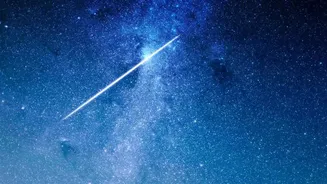
Under perfect conditions—a clear, moonless night far from city lights—you could see between 15 and 25 Orionid meteors per hour during the 2026 peak. This ideal number is known as the Zenithal Hourly Rate (ZHR). However, it's a theoretical maximum. In
reality, your count will likely be lower. For 2026, the peak occurs on the nights of October 21-22, but a bright waxing gibbous moon will interfere with the show until it sets. The best viewing window will be in the few dark hours between moonset (around 3 a.m. local time) and the start of dawn. From a suburban location, your count might drop to 5-10 per hour, so managing expectations is key.
The Legacy of Halley's Comet
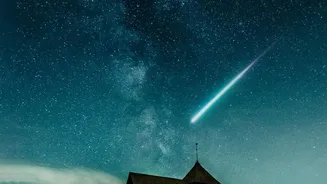
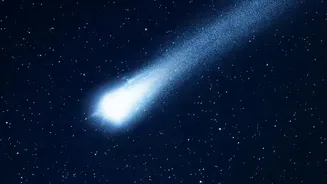
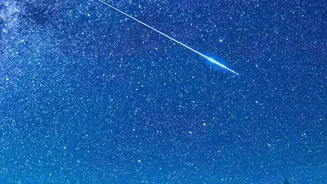
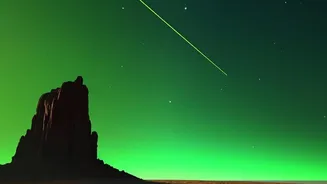
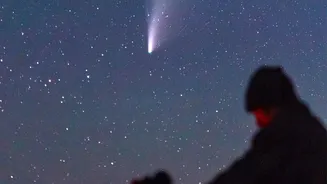
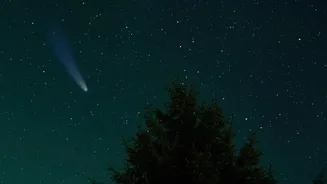
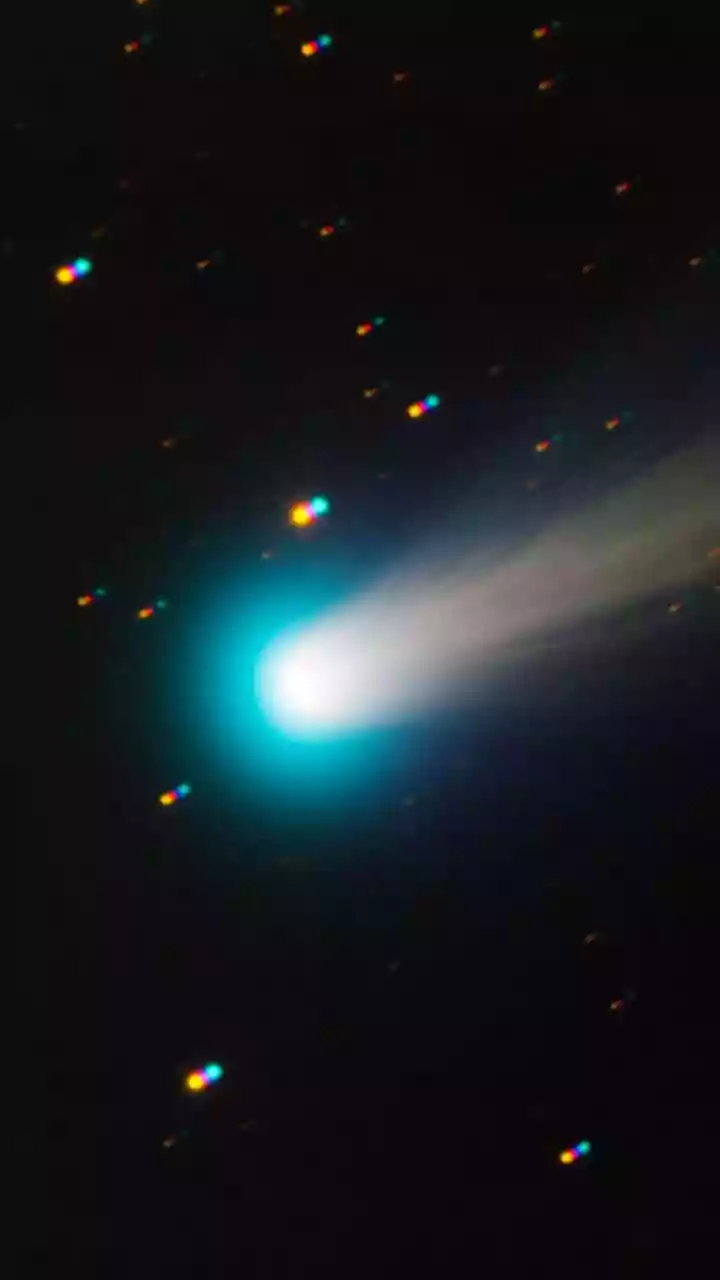
What makes the Orionids special is their famous parent: Halley's Comet. This legendary comet, last seen in 1986 and not due to return until 2061, orbits the sun every 76 years, leaving a trail of icy debris in its path. Each October, when Earth crosses this path, those tiny particles—most no bigger than a grain of sand—slam into our atmosphere at about 66 kilometres per second. This incredible speed causes them to burn up, creating the fast, bright streaks we call Orionid meteors. Many leave behind glowing trails of ionized gas that can linger for a few seconds after the meteor has vanished. So, when you see an Orionid, you're witnessing a tiny piece of the most famous comet in history.
Finding Your 'Dark Location'
The term 'dark location' is crucial. The biggest obstacle for most skywatchers is not the shower itself but light pollution from cities and towns. To maximize your chances, you need to get away from artificial lights. Driving just 30-60 minutes away from a city can dramatically increase the number of meteors you'll see. Look for national or state parks, rural areas, or designated dark-sky preserves. The goal is to find a spot with a wide, unobstructed view of the sky, especially towards the east. The meteors will appear to radiate from the constellation Orion, but they can streak across any part of the sky, so a broad view is best.
Your 2026 Viewing Strategy
The Orionid meteor shower is active from early October to early November, but your best chance is during the peak on the night of October 21-22. The bright moon will be a challenge, so timing is everything. Plan to watch in the pre-dawn hours, after the moon has set around 3 a.m. The shower's radiant point in Orion will be high in the sky by then, increasing the number of visible meteors. Don't just look directly at Orion; instead, look about 45 degrees away from the radiant. This perspective trick makes the meteors appear longer and more dramatic as they streak across the sky.
What to Bring for the Show
Meteor watching is a game of patience, so comfort is essential. You don't need a telescope or binoculars, as they limit your field of view. Your naked eyes are the best tools for the job. Bring a reclining chair or a thick blanket so you can lie on your back and look straight up comfortably. October nights can be chilly, so dress in warm layers and consider bringing a hat and gloves. Pack a thermos with a warm drink and some snacks. Finally, allow your eyes at least 20-30 minutes to fully adapt to the darkness. Avoid looking at your phone; its bright screen will ruin your night vision.