





An Unpredictable August Monsoon
While initial forecasts for August suggested below-normal rainfall for the country, the reality on the ground has been a series of intense spells. Active monsoon systems are currently lashing north, east, central, and southern India, with the India Meteorological
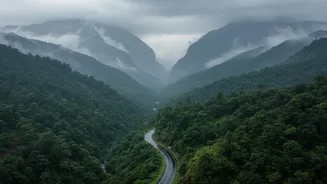
Department (IMD) forecasting widespread rain. Regions in states like Uttarakhand, Himachal Pradesh, Maharashtra, Kerala, and parts of the Northeast are experiencing particularly heavy downpours, leading to swollen rivers and saturated ground, making travel unpredictable and often hazardous.
Major Routes Facing Disruption
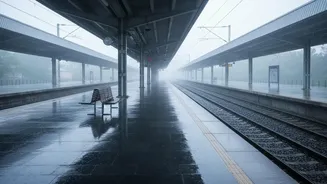
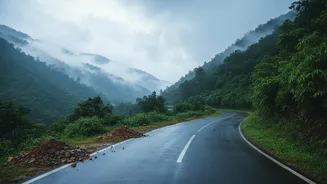
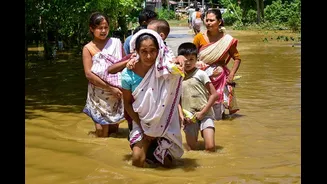
The intense rainfall has led to significant disruptions on key national transport arteries. In the north, pilgrimage and tourist traffic have compounded weather-related issues. The Delhi-Haridwar National Highway (NH-34) faces closures and restrictions due to the Kanwar Yatra, affecting a major route into Uttarakhand. In Himachal Pradesh, landslides have become a daily problem, with over 100 roads recently reported blocked, particularly in Mandi and Kullu districts, disrupting local and tourist travel. In Maharashtra, the crucial Malshej Ghat, which connects Pune to Ahmednagar, has been closed to traffic after a stretch of NH-61 collapsed. Train services have also been hit hard, with cancellations and diversions reported in the Northeast due to flooding in Assam and along the Western Ghats due to landslide risks.
Navigating with Alternate Routes
For travellers trying to navigate the closures, authorities and local travel patterns offer several alternatives. For those heading north from the Delhi-NCR region and needing to bypass the heavily restricted NH-44, the Urban Extension Road II (UER-II) or Narela-Bawana Road are suggested alternatives for local commutes. For interstate transit towards Uttar Pradesh and Uttarakhand, travellers are advised to use NH-9 or the Eastern Peripheral Expressway (EPE). With Malshej Ghat shut in Maharashtra, west-bound travellers can consider the Naneghat or Kasara Ghat routes as viable, albeit longer, alternatives. In cities facing gridlock, public transport is being positioned as the smarter choice. The Delhi Metro, for instance, is increasing service frequencies to manage the extra load from roads.
Essential Monsoon Travel Safety
Planning is only half the battle; safe execution is paramount. The most critical step before starting any journey is to check the latest weather forecasts and local advisories from official sources like the IMD. Avoid travelling at night, especially in hilly or poorly lit areas where potholes and debris are harder to spot. Before a road trip, ensure your vehicle is in top condition—check your tyres, brakes, and wipers. Driving slowly and steadily is crucial on slippery roads with reduced visibility. Never attempt to drive through heavily waterlogged streets, as the depth can be deceptive and lead to your vehicle stalling. It is also wise to avoid being too adventurous and sticking to known, well-maintained roads.
Your Monsoon Emergency Kit
A little preparation goes a long way. Your travel kit should be adapted for the season. Pack lightweight, quick-drying synthetic clothes, as cotton and denim take a long time to dry and can leave an unpleasant odour. A raincoat, umbrella, and waterproof footwear with good grip are non-negotiable. Protect your electronics—phones, chargers, and power banks—by storing them in waterproof bags or ziplock pouches. A basic first-aid kit containing medication for common ailments like fever and indigestion, along with antiseptic wipes and bandages, is a must. Finally, always carry some non-perishable snacks and bottled water, as you never know when you might be delayed.