


Pickles are a familiar, tangy treat, but did you know a certain kind holds a powerful secret? We're talking about traditional fermented pickles, a simple food that can play a surprisingly large role in supporting the complex world within your gut.
Your Gut: A Bustling Inner Ecosystem
Think
of your digestive system as a bustling city populated by trillions of microorganisms, including bacteria, fungi, and viruses. This community is known as the gut microbiome. A healthy and diverse microbiome is crucial not just for digestion, but for overall well-being, influencing everything from your immune system to your mood. When this ecosystem is balanced, with beneficial microbes outnumbering the harmful ones, your body functions more efficiently. The key to maintaining this balance often lies in what we eat, and that’s where fermented foods come into play.
Not All Pickles Are Created Equal
It's essential to understand the difference between the two main types of pickles you'll find. The most common pickles on supermarket shelves are made using vinegar. This 'quick pickling' process involves preserving cucumbers in a heated vinegar brine, which effectively sterilizes them, killing all bacteria, including any potential good ones. In contrast, traditional fermented pickles are made using a salt-and-water brine in a process called lacto-fermentation. Naturally present bacteria on the cucumbers, primarily of the Lactobacillus genus, consume the vegetable's sugars and produce lactic acid. This acid preserves the pickle and, crucially, creates an environment teeming with live, beneficial bacteria, also known as probiotics.
Delivering Probiotics Directly to Your Gut
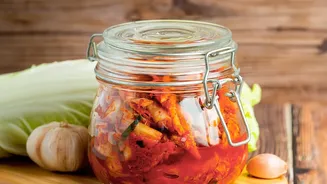
The primary benefit of eating fermented pickles is that you are ingesting a source of live probiotics. These beneficial bacteria can survive the journey through your stomach and reach your intestines, where they contribute to the diversity of your gut microbiome. A diet rich in different fermented foods has been linked to greater microbial diversity, which is a key indicator of a healthy gut. In a landmark study from Stanford University, participants who ate a diet high in fermented foods, including fermented vegetables, showed a significant increase in their gut microbiome diversity and a decrease in markers of inflammation.
Beyond Probiotics: Prebiotics and Postbiotics
The benefits don't stop with live bacteria. Fermented pickles also contain prebiotic fiber. While cucumbers themselves are not a major source of prebiotics like onions or garlic, the fiber they do contain acts as food for the good bacteria already residing in your gut, helping them thrive. Furthermore, the fermentation process itself creates beneficial compounds known as postbiotics. These include short-chain fatty acids (SCFAs), which provide energy to the cells lining your colon, and other bioactive substances that can support immune function and help maintain a healthy gut barrier.
How to Build Long-Term Balance
Long-term microbiome balance isn’t about a one-time fix; it’s about consistent support. Eating a small portion of fermented pickles daily provides a steady stream of beneficial microbes and compounds that help reinforce a healthy gut environment. Experts often suggest aiming for one to three servings of various fermented foods per day. For pickles, a serving can be as small as a single spear or a few slices. This regular, modest intake helps maintain microbial diversity and resilience without overwhelming your system. It’s a sustainable habit that, over time, contributes to a more stable and balanced inner ecosystem.
Choosing and Using Fermented Pickles
To ensure you're getting the gut-friendly benefits, you need to be a savvy shopper. Look for pickles in the refrigerated section of the store, as true fermented pickles require cold storage to keep the live cultures viable. Read the label carefully. The ingredients should be simple: cucumbers, water, and salt. If vinegar is listed as a primary ingredient, it is not a fermented product. Words like 'naturally fermented', 'lacto-fermented', 'raw', and 'unpasteurized' are good indicators you're holding the right jar. Because they are preserved in salt, be mindful of the sodium content, especially if you are watching your intake. A small daily portion is all you need to reap the rewards.