








Beyond the Bend and Stretch
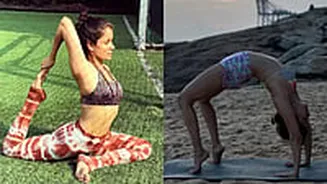
For many, the word ‘yoga’ conjures images of complicated poses and extreme flexibility. While asanas (postures) are a vital part of the practice, they are just one piece of a much larger, more profound system. At its heart, yoga is a holistic discipline
designed to unite the mind, body, and spirit. It’s not a competition or a performance; it’s a personal journey. It’s about showing up on your mat, just as you are, and creating space for yourself. Whether you’re a seasoned athlete or someone who can’t touch their toes, yoga meets you where you are, offering a path to greater awareness and inner balance rather than just a physical workout.
The Antidote to Modern Life
Consider your posture right now. Are you hunched over a screen? Is your neck stiff? Our digital-first lifestyle has created a host of modern ailments, from ‘tech neck’ and wrist strain to eye fatigue and burnout. Yoga acts as a powerful countermeasure. Poses like Cat-Cow (Marjaryasana-Bitilasana) gently mobilise the spine after hours of sitting, while inversions can help improve circulation. More importantly, the practice encourages you to disconnect from your devices and reconnect with your physical self. This conscious un-plugging, even for just 30 minutes a day, helps reset a nervous system overloaded by constant pings, emails, and social media scrolling.
Build Strength, Inside and Out
While often praised for its calming effects, yoga is also a formidable strength-building practice. Unlike lifting weights, which often isolates specific muscles, yoga uses your own body weight to build functional, integrated strength. Poses like Plank, Downward-Facing Dog, and Warrior II engage your core, stabilise your joints, and tone muscles throughout your body. This translates directly into everyday life: better posture, improved balance, and a reduced risk of injury. This physical confidence, born from a deeper connection with your body's capabilities, often radiates outward, fostering a sense of resilience and self-assurance that extends far beyond the mat.
Your Personal Stress Management Kit
Perhaps the most sought-after benefit of yoga today is its proven ability to manage stress and anxiety. The practice works on several levels to achieve this. Physically, stretching releases muscle tension where we commonly hold stress, like the neck and shoulders. Mentally, the focus required to hold a pose and move with your breath pulls your attention away from a racing mind and into the present moment. This is mindfulness in action. Furthermore, pranayama, or yogic breathing techniques, directly influences the autonomic nervous system. Deliberate, deep breathing can shift you from the ‘fight-or-flight’ sympathetic response to the ‘rest-and-digest’ parasympathetic state, actively lowering cortisol levels and inducing a state of calm.
How to Begin Your Journey
Starting can feel like the hardest part, but it doesn’t have to be intimidating. You don’t need expensive gear or a flexible body. All you need is a small space and a willingness to try. Start with a beginner-friendly online class; there are countless high-quality free resources available. Look for styles like Hatha or Viniyasa Flow for a good foundation. Listen to your body and don’t push into pain. The goal isn’t to perfect a pose on day one, but simply to breathe and move. Your only real essentials are comfortable clothing and a non-slip mat. Remember, every expert was once a beginner. The journey begins with the simple, powerful decision to show up for yourself.