


The Science of a Happy Pet
Just like in humans, physical activity is a powerful mood booster for our pets. Exercise triggers the release of beneficial brain chemicals like dopamine and serotonin, which act as natural mood elevators and stress relievers. This chemical boost helps
create a feeling of happiness and can significantly reduce anxiety. Furthermore, staying active increases blood flow to the brain, which not only promotes the growth of new neurons but also helps keep your pet's mind sharp, potentially lowering the risk of cognitive issues like dog dementia later in life. An active pet is not just physically tired; they are mentally fulfilled and emotionally balanced.
Curbing Unwanted Behaviours
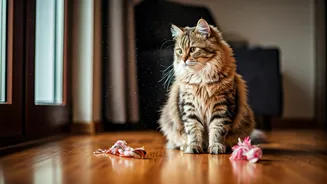
Is your favourite pair of chappals chewed up? Is your cat scratching the sofa again? These destructive behaviours are often a sign of boredom and pent-up energy, not naughtiness. Without a proper outlet, pets can become frustrated, leading to issues like excessive barking or whining, hyperactivity, or even withdrawal and depression. Providing regular indoor play sessions channels their energy into positive activities. It's an effective way to prevent the restlessness that causes them to act out, ensuring a more peaceful and harmonious home for everyone.
Brain Games for Mental Fitness
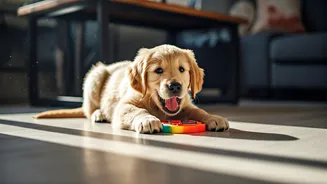
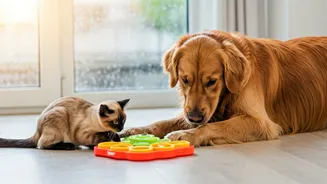
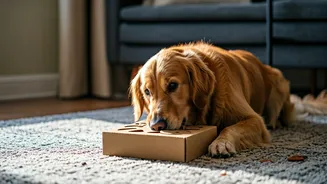
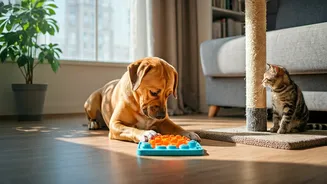
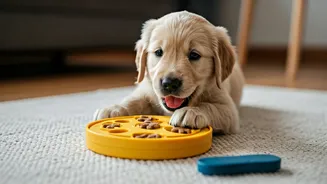
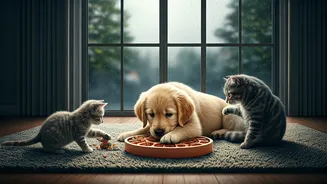
Mental stimulation can be just as tiring as physical exercise, making brain games a perfect indoor activity. A simple and effective game is a 'treat treasure hunt'. Hide small, healthy treats or your pet's kibble around a room and encourage them to 'find it'. This engages their powerful sense of smell and problem-solving skills. For cats and dogs, puzzle feeders or snuffle mats turn mealtime into a stimulating challenge, forcing them to work for their food and preventing them from eating too quickly. You can even create a DIY puzzle by placing treats in a muffin tin and covering them with tennis balls for your dog to figure out.
Active Play in Small Spaces
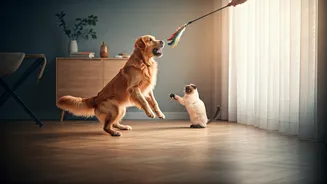
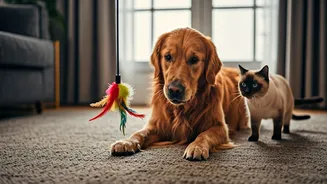
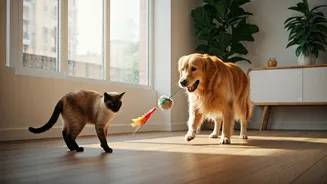
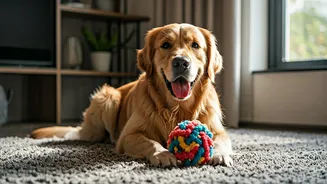
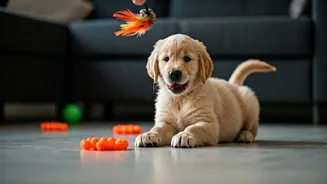
You don't need a large garden to get your pet's heart pumping. A classic game of tug-of-war with a sturdy rope toy can be a great workout for dogs in a small space. For both cats and dogs, a flirt pole—a wand with a lure on the end—is excellent for encouraging chasing and pouncing. You can also play a modified game of fetch in a hallway using a soft ball to avoid any damage. For cats, simply chasing a laser pointer or a feather wand can satisfy their natural hunting instincts and provide a surprising amount of exercise. These short bursts of play are perfect for apartment living.
Build a DIY Obstacle Course
Unleash your creativity and turn your living room into an exciting agility course. You don't need professional equipment; everyday household items will do the trick. Use cushions or pillows for them to jump over, create a tunnel by draping a blanket over two chairs, and use cardboard boxes for them to weave through or explore. Guide your pet through the course with treats and praise, turning it into a fun and confidence-boosting activity. This not only provides physical exercise but also challenges their mind as they learn to navigate the different obstacles.
The Power of Playful Routine
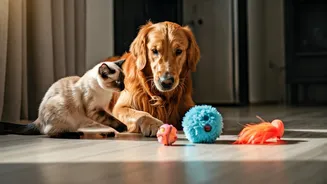
Consistency is key to seeing a real improvement in your pet's mood and behaviour. Try to schedule a few short play sessions throughout the day, perhaps for 10-15 minutes each. This is more beneficial than one long, exhausting session. Rotating toys every few days can also keep things interesting, making old toys feel new again and preventing boredom. By making interactive play a regular part of your daily life, you not only improve your pet’s physical and mental health but also strengthen the special bond you share. Even a few minutes of focused play can make a world of difference.