



Kullu, Himachal Pradesh: A Global Folk Extravaganza
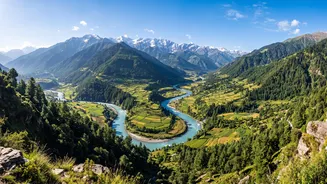
In the serene Kullu Valley, Dussehra celebrations begin when they end for the rest of the country. Starting on Vijayadashami, which falls on October 20th in 2026, the International Kullu Dussehra is a week-long festival that attracts visitors from around
the globe. The main event is not the burning of Ravana's effigy but a grand congregation of over 200 local deities, who are carried in ornate palanquins to the Dhalpur Maidan to pay homage to Lord Raghunath, the valley's principal deity. This tradition dates back to the 17th century. The fair is a vibrant showcase of Himachali culture, featuring folk music and 'Nati' dance performances. Evenings come alive with an International Cultural Festival, where artists from India and other countries perform, making it a hub of global heritage. It's also a fantastic opportunity for shopping, as local artisans display their crafts, from woollen shawls to traditional jewellery.
Mysuru, Karnataka: Royal Pageantry and Grand Exhibitions
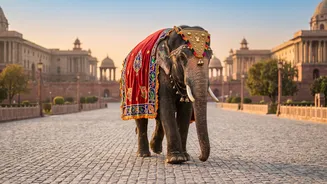
Known as 'Nada Habba' or the state festival of Karnataka, Mysuru Dasara is a ten-day affair steeped in royal history, commemorating Goddess Chamundeshwari's victory over the demon Mahishasura. The entire city, especially the magnificent Mysuru Palace illuminated by nearly 100,000 bulbs, becomes a breathtaking spectacle. While rooted in religious tradition, the festival is a cultural powerhouse. The Dasara Exhibition, a tradition since 1880, offers everything from local handicrafts to food stalls and runs for months. The calendar is packed with events like 'Yuva Dasara' for youth-centric concerts, a stunning flower show, a food festival, and traditional wrestling competitions. The celebration culminates with the grand 'Jamboo Savari' on Vijayadashami (October 21, 2026), a majestic procession where the idol of the Goddess is carried on a caparisoned elephant through the city streets, followed by a torchlight parade in the evening.
Kota, Rajasthan: A Carnival of Colossal Effigies and Crafts
The Kota Dussehra Mela is one of Rajasthan's largest and most vibrant fairs, with a history stretching back to 1723 AD. While the Ramlila and the burning of Ravana effigies are central, the scale is what sets Kota apart. The effigies often stand over 75 feet tall, with a record-breaking 221-foot Ravana in the past, making the 'Ravan Dahan' a truly spectacular event. But the fair, which lasts for about 25 days, is much more than that. It’s a massive cultural gathering featuring performances by prominent artists, all-India mushairas, kavi sammelans, and folk music nights. For travellers, it’s a fantastic opportunity to shop for authentic Rajasthani handicrafts and indulge in the local cuisine, with stalls offering treats like 'Nasirabad ka Kachora' and 'Rabri Malpua'. The fair transforms the city into a bustling carnival of rides, shows, and cultural pride.
Delhi: A Culinary Pilgrimage at the Ramlila Grounds
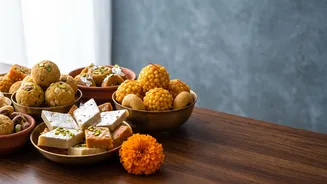
In the heart of the nation's capital, Dussehra celebrations are synonymous with Ramlila performances, but for many, it's also an annual food pilgrimage. The grounds around the Red Fort and Ramlila Maidan transform into bustling fairs that are a haven for food lovers. Organisers dedicate huge spaces to food courts, sometimes called 'Awadh Bazar,' featuring dozens of stalls serving the best of Old Delhi's street food. Visitors come specifically to taste a variety of chaats, kulfis, jalebis, chhole bhature, and kebabs from renowned local vendors. Beyond the food, these melas are a complete family outing with giant Ferris wheels, amusement rides, and stalls selling everything from toys to traditional crafts. While the dramatic burning of Ravana's effigy against the backdrop of the historic Red Fort is the climax, the lively atmosphere and culinary delights make the Delhi fairs a unique urban experience.
Bastar, Chhattisgarh: A 75-Day Tribal Spectacle
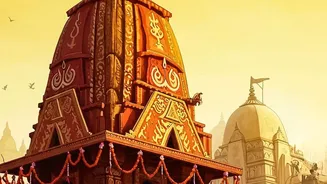
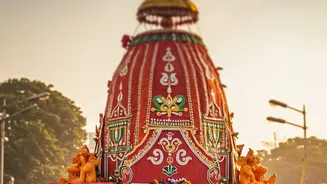
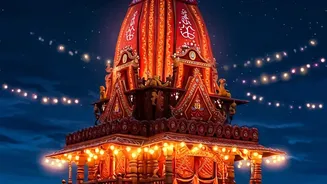
For a truly unique experience, the Bastar Dussehra in Chhattisgarh stands apart from all other celebrations in India. Lasting for 75 days, it is one of the longest festivals in the world and is not connected to the Ramayana. Instead, it is a grand congregation of tribal traditions centered on the worship of Goddess Danteshwari, the region's presiding deity, and other local gods. The festival, with a history of over 600 years, does not feature the burning of Ravana's effigy. Its rituals are a fascinating insight into the Adivasi culture of the region. Key events include the 'Pat Jatra' (worship of the wood for the chariot), the 'Kachan Gadi' ritual involving a young girl, and a grand chariot procession pulled by devotees. The festival showcases tribal unity, with a 'Muria Durbar' or royal assembly of tribal chiefs, folk music, and dances, making it a profound cultural immersion.