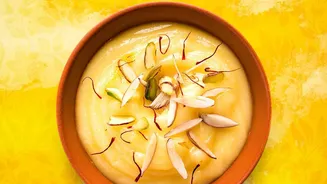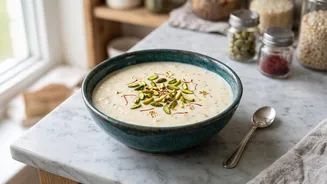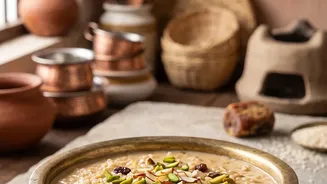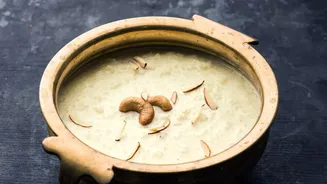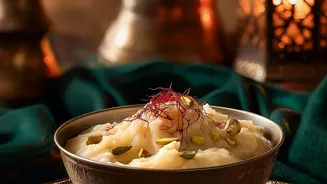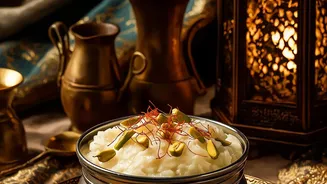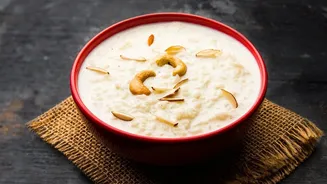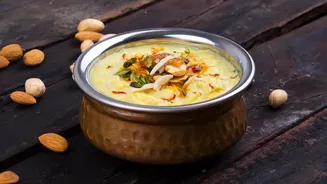




Embrace the luxurious creaminess of Sitaphal Phirni, a beloved North Indian dessert. This fragrant rice pudding, elevated by the unique sweetness of custard apple, is a festive treat that is surprisingly simple to master in your own kitchen.
A Royal Dessert with a Fruity Twist
Phirni is
a classic rice pudding with roots that trace back to Mughal kitchens. It's cherished for its incredibly smooth and creamy texture, which sets it apart from its cousin, kheer. While kheer is made with whole rice grains, phirni is created using rice that has been ground into a coarse, semolina-like powder. This ground rice cooks down with milk to create a velvety pudding. The addition of Sitaphal, or custard apple, introduces a delicate, fruity sweetness that complements the rich dairy and fragrant spices, making it a popular choice during festivals and celebrations.
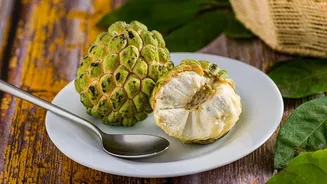
The Star Ingredient: Custard Apple
The magic of this dish lies in the sitaphal. This sweet, soft fruit is full of creamy pulp with a unique flavour that is both sweet and slightly tropical. To prepare it for phirni, you'll need to extract the pulp and remove the black seeds. The easiest way to do this is to scoop the flesh out with a spoon and then briefly pulse it in a blender with a small amount of milk. This helps separate the seeds from the flesh. Afterwards, press the mixture through a sieve to get a smooth, seedless pulp ready for your dessert. It’s crucial to add the sitaphal pulp only after the phirni has cooked and cooled slightly, as cooking the fruit directly can alter its delicate flavour.
Gathering Your Ingredients
To create the perfect Sitaphal Phirni, you'll need a few key components. For the base, select a fragrant long-grain rice like Basmati, which is traditional and adds a wonderful aroma. Full-fat milk is non-negotiable for achieving that signature rich and creamy consistency. For sweetness, regular sugar works perfectly. The flavour profile is rounded out with aromatic green cardamom and perhaps a few strands of saffron soaked in warm milk for colour and fragrance. Finally, have your fresh sitaphal pulp ready, along with sliced pistachios or almonds for a beautiful and crunchy garnish.
The Step-by-Step Method
First, prepare your rice. Rinse about a quarter cup of basmati rice and soak it in water for at least 30 minutes. After soaking, drain it completely and grind it into a coarse powder, similar to the texture of rava or semolina. Next, bring one litre of full-fat milk to a boil in a heavy-bottomed pan. Once it boils, reduce the heat to low and slowly add the ground rice, stirring continuously to prevent any lumps from forming. This constant stirring is crucial for a smooth texture. Let the mixture simmer on low heat, stirring frequently, for about 15-20 minutes until the rice is completely cooked and the milk has thickened considerably. Add sugar and any flavourings like cardamom powder or saffron milk, and cook for another five minutes until the sugar dissolves.
The Art of Thickening and Chilling
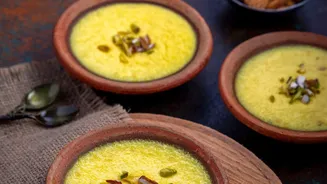
The true essence of phirni is revealed in its final stages. Once the pudding has cooked, turn off the heat. It's important to remember that phirni will continue to thicken significantly as it cools. Let the cooked mixture cool down to a warm temperature before gently folding in the sitaphal pulp. Pour the phirni into serving bowls. Traditionally, it's served in small earthen clay pots called 'shikoras', which absorb excess moisture and add a subtle, earthy aroma. Cover the bowls and let them cool to room temperature before transferring them to the refrigerator. Chilling is not just a suggestion; it's essential. The phirni needs to be refrigerated for at least four hours, or ideally overnight, for it to set properly and develop its full, rich flavour.
Pro Tips for a Perfect Pudding
For the creamiest result, always use full-fat milk. Stirring is your best friend when making phirni; it prevents lumps and stops the milk from scorching at the bottom of the pan. Be careful not to overgrind the rice; a fine powder can result in a pasty texture, while a coarse grind ensures a more pleasing mouthfeel. Always add sugar after the rice is cooked, as adding it earlier can slow down the cooking process. Finally, for the best flavour, add delicate aromatics like rose water or kewra water after you've turned off the heat to preserve their fragrance.