







The Monsoon's Gradual Goodbye
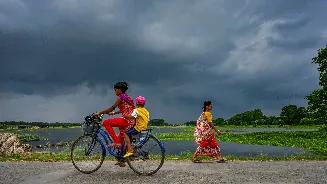
The southwest monsoon doesn't just switch off; it performs a slow, staggered retreat across the subcontinent. This withdrawal process officially begins in the first week of September from the extreme northwestern parts of India, typically in west Rajasthan.
From there, the line of withdrawal moves southeastward over weeks, not days. This gradual process is why, in mid-September, Delhi might be experiencing dry, sunny days while Kerala is still receiving characteristic monsoon showers. The India Meteorological Department (IMD) has specific criteria for declaring the withdrawal, including a continuous five-day period with no rain and a noticeable drop in atmospheric moisture. This retreat is a massive atmospheric shift, as the powerful weather systems that drive the monsoon weaken and are replaced by drier, calmer conditions.
Why the Heat Makes a Comeback
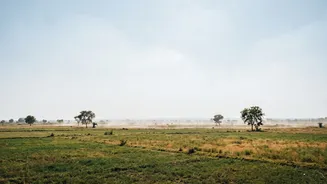
The phenomenon often called 'September heat' is a direct consequence of the monsoon's withdrawal. As the dense cloud cover dissipates, clear skies allow for more direct and intense solar radiation to reach the ground. With the soil still retaining moisture from the preceding rains, this leads to a rise in both temperature and humidity. The result is a particularly uncomfortable heat that feels sticky and oppressive. High humidity acts like a blanket, trapping heat near the surface and preventing temperatures from cooling down significantly at night. This isn't a heatwave in the traditional sense of dry, searing winds, but rather a period of very high heat and humidity that can be quite taxing.
A Forecast for September 2026
For September 2026, forecasters are pointing towards a trend of below-normal rainfall for the country as a whole, following what was reportedly the hottest August since 1901. This is partly attributed to a strengthening El Niño phenomenon in the Pacific Ocean, which historically correlates with weaker monsoon performance over India. Temperatures are expected to remain above normal for most parts of the country. This combination of less rain and higher temperatures could increase heat stress, particularly in regions that have already seen a rainfall deficit. However, national averages can be deceiving. The withdrawal is a dynamic process, and some parts of the southern peninsula may still receive rainfall even as the north becomes progressively drier.
Regional Shifts and Local Impacts
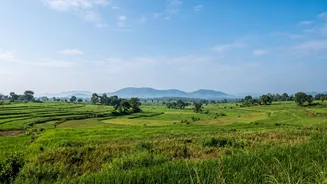
The transition from rain to heat varies significantly across India's vast landscape. In the north, including Punjab and Rajasthan, the monsoon withdraws earliest, and the shift to a dry, warm post-monsoon climate is quicker. Central India typically sees the withdrawal by late September. For the southern peninsula, the story is different. The southwest monsoon may linger longer, and these regions then await the northeast monsoon, which brings rain primarily to Tamil Nadu and parts of Andhra Pradesh later in the year. The timing of the withdrawal has significant consequences. For farmers, September's rainfall is crucial for maturing kharif crops and for ensuring there is enough soil moisture for the upcoming rabi (winter) crop sowing season. A premature withdrawal or deficit can impact yields and agricultural planning for months to come.