





The Karat Question: What Purity Means
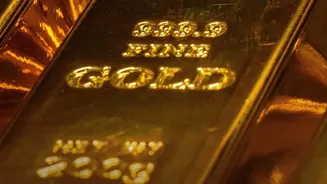
The fundamental difference between 22K and 24K gold lies in its purity, measured in karats (K). Think of the karat system as a 24-part scale. 24-karat gold is the purest form you can get, containing 99.9% pure gold. It's often called 999 gold, signifying
its high purity. Because it contains virtually no other metals, it has a distinct, bright yellow colour but is also very soft and malleable. In contrast, 22-karat gold consists of 22 parts gold and 2 parts other metals, making it 91.67% pure gold. This is why it's famously known as '916 gold' in India. The remaining 8.33% is a mix of alloys like copper, silver, or zinc, which are added to change its properties.
24K Gold: The Investor’s Choice
Because of its supreme purity, 24K gold is the undisputed standard for investment. When you buy gold bars, biscuits, or coins for wealth preservation, you are almost always buying 24K gold. Its value is directly tied to the market price of pure gold, making it a highly liquid asset that can be easily sold or traded globally. However, this purity comes with a downside: softness. 24K gold is prone to scratching, bending, and deforming, which makes it impractical for crafting everyday jewellery meant to be worn regularly. While some ceremonial or heirloom pieces might be made from 24K gold, it is primarily reserved as a financial instrument to hedge against inflation and preserve wealth.
22K Gold: The Jeweller’s Canvas
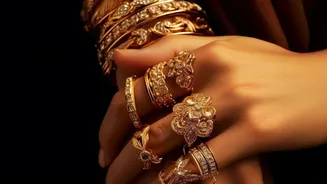
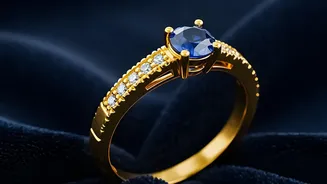
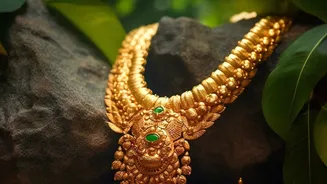
This is where 22K gold shines. The addition of metals like copper and silver makes 22K gold significantly harder and more durable than its 24K counterpart. This strength is essential for creating jewellery that can withstand the rigours of daily wear without losing its shape. It allows artisans to craft intricate designs, set gemstones securely, and create pieces that last for generations. For this reason, 22K gold is the traditional and most popular choice for jewellery in India, from bangles and necklaces to wedding sets. It offers an excellent balance between high purity and practical durability, retaining a rich golden hue that is highly desired.
Making Charges: The Hidden Cost
When you buy gold jewellery in India, the price isn't just based on the weight and purity of the gold. You also pay 'making charges', which cover the cost of craftsmanship. These charges can be a fixed rate per gram or a percentage of the gold's value, typically ranging from 8% to over 25% for highly complex designs. Generally, intricate, handcrafted 22K jewellery will have higher making charges than simpler, machine-made pieces. In contrast, 24K investment gold like bars and coins has minimal to zero making charges, as the value is almost entirely in the metal itself. This is a critical factor, as making charges are often not recovered upon resale.
Resale Value: Investment vs. Adornment
When it's time to sell, the purity difference becomes clear again. The resale value of 24K gold is straightforward; you get a price based on its weight and the prevailing market rate for pure gold. For 22K jewellery, the value is based on the actual gold content (91.67%). While it holds its value well, you will likely lose the amount paid in making charges and any taxes. Therefore, from a pure liquidation perspective, 24K gold offers a more direct and often better return. However, 22K jewellery serves a dual purpose: it is a wearable asset that can be enjoyed for years while also acting as a store of value.
Always Look for the Hallmark
Regardless of whether you choose 22K or 24K, ensuring its authenticity is paramount. In India, the Bureau of Indian Standards (BIS) provides a hallmarking system to certify the purity of gold. A hallmarked piece will have the BIS logo, a mark indicating its purity (e.g., '22K916' for 22K gold), and a unique six-digit alphanumeric Hallmark Unique Identification (HUID) number. This hallmark is your guarantee that you are getting the purity you are paying for, protecting your investment from impurities and fraud. Always insist on hallmarked gold from a reputable jeweller.