





The Classic: Lemon Meringue Pie
A true icon, lemon meringue pie is a triple threat of texture and flavor. It starts with a buttery pastry crust, which holds a rich, tart lemon custard filling. The defining feature, however, is the billowy crown of toasted meringue on top. The sweetness
of the fluffy meringue perfectly cuts through the sharp lemon curd, creating a balanced and satisfying bite every time. The dessert's origins are debated, but it rose to prominence in the 19th century, with Philadelphia pastry chef Elizabeth Goodfellow often credited with popularizing the combination of lemon pudding and meringue. It’s a showstopper that feels both nostalgic and celebratory.
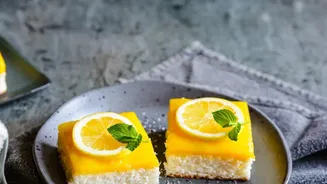
The Crowd-Pleaser: Lemon Bars
For picnics, bake sales, or a simple afternoon treat, nothing beats a good lemon bar. This dessert features a thick, gooey lemon filling sitting atop a tender shortbread crust. The beauty of the lemon bar is its simplicity and the delightful contrast between the crisp, buttery base and the tangy, custard-like topping. They are easy to make, easy to serve, and universally loved. A dusting of powdered sugar on top adds a touch of sweetness and an elegant finish. For the best flavor, recipes consistently call for fresh lemon juice and zest, which provide the essential bright, citrusy punch.
The Elegant Option: Lemon Tart
While similar to a pie, a classic French lemon tart, or 'tarte au citron', offers a more refined experience. Typically made in a fluted tart pan with a removable bottom, it features a delicate, sweet pastry crust (pâte sucrée) filled with a smooth, intensely-flavored lemon curd. Unlike its pie counterpart, a traditional French tart is often served without meringue, letting the vibrant lemon filling be the star. The filling is rich with eggs, sugar, and plenty of lemon juice, resulting in a dessert that is both sophisticated and powerfully tangy.
The British Staple: Lemon Drizzle Cake
Simple, comforting, and incredibly moist, lemon drizzle cake is a beloved classic for afternoon tea. Its origins trace back to the British pound cake, with the modern version popularized in 1967 by cookery writer Evelyn Rose. The magic of this cake lies in its two-part lemon infusion. Lemon zest is baked into a simple sponge or loaf cake, and while the cake is still warm, a syrup made of lemon juice and sugar is poured over the top. This 'drizzle' soaks into the cake, creating an intensely lemony flavor and a wonderfully moist texture that is impossible to resist.
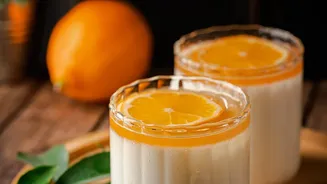
The Deceptively Simple: Lemon Posset
For a dessert that delivers maximum elegance with minimal effort, look no further than the lemon posset. This traditional British dessert requires only three ingredients: cream, sugar, and lemon juice. The process is a bit of kitchen chemistry: cream and sugar are heated, then lemon juice is stirred in. The acid from the lemon naturally thickens the cream as it cools, resulting in a silky, custard-like texture without any eggs or gelatin. Dating back to the 15th century, though in a different form, the modern cold-set posset is a rich, smooth, and refreshing treat that feels luxurious.
The Frugal Wonder: Shaker Lemon Pie
Also known as Ohio lemon pie, this dessert is a testament to resourceful baking. It was created in the 19th century by the Shakers, a religious community known for its principle of avoiding waste. What makes this pie unique is its use of the entire lemon, peel and all (minus the seeds). Paper-thin slices of lemon are macerated in sugar for several hours, or even a full day, to soften the rind and draw out the juices. This mixture is then combined with eggs and baked in a double pie crust, creating a filling that is like a cross between marmalade and lemon curd—intensely fragrant, sweet, and tart with a slight, pleasant bitterness from the peel.