

The Practical Perks of a Downpour
One of the most compelling reasons for embracing a rainy-day holiday is the practical advantage. The monsoon or rainy season is traditionally considered the 'off-season' in many tourism hotspots. This translates into significant savings, with lower prices
on flights, accommodations, and activities. Hotels that are fully booked during peak season may offer steep discounts or free upgrades to attract guests. Beyond the budget benefits, there's the undeniable appeal of fewer people. Popular landmarks, which are usually mobbed with tourists, become quiet and more accessible. Instead of jostling for a photo, travellers can experience a more personal and intimate connection with the place, whether it's exploring a Goan beach or a historic European city. This quieter, more relaxed atmosphere is a significant draw for those looking to escape the hustle of modern life.
A Feast for the Senses
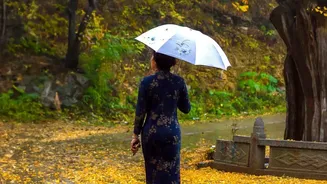
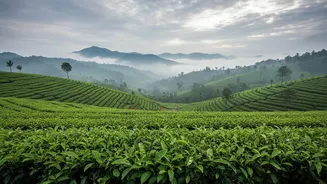
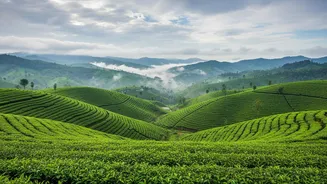
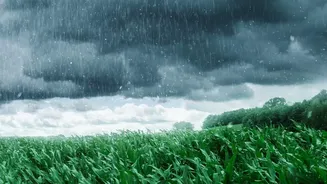
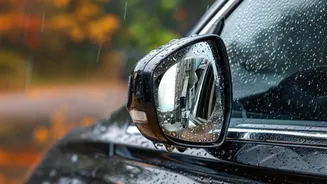
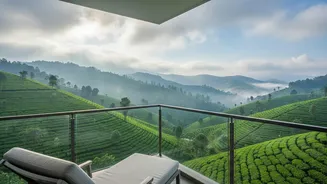
For the burgeoning community of 'pluviophiles'—lovers of rain—a wet holiday is an aesthetic and sensory choice. The world simply looks, smells, and sounds different after a shower. Landscapes become lusher and more vibrant, with the rain washing away dust and bringing out deep, saturated colours. Many tourism bodies are even rebranding their rainy seasons as the 'green season' for this very reason. Then there's 'petrichor', the distinctively pleasant, earthy scent produced when rain falls on dry soil. This, combined with the rhythmic sound of rainfall, can be incredibly soothing and create a unique sense of calm and introspection. This appeal ties into the broader wellness trend of 'cocooning' and finding comfort in cosy settings, similar to the Danish concept of 'hygge'. It’s a chance to slow down, read a book in a hammock, or just watch the storm from a sheltered cafe.
Monsoon Tourism in India
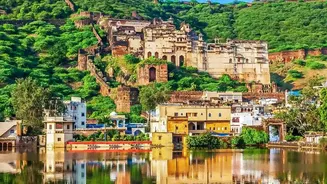
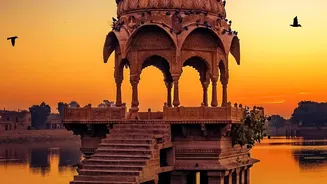
In India, the appeal of monsoon travel is a well-established tradition that is currently experiencing a major resurgence. According to recent data from Airbnb, domestic monsoon travel searches have surged by almost 40% year-over-year. Travellers are increasingly taking shorter, more frequent 'micro-cations' of three to five days to destinations where the rain is part of the experience. There has been a significant rise in searches for non-metro destinations, with an increase of over 40%, as people seek to connect with nature. Destinations like Coorg, Munnar, Goa, and Kochi are seeing a boom in visitors. Even traditionally arid Rajasthan is becoming a monsoon favourite, as the rain transforms its landscapes into lush, green havens and fills its famous lakes. This trend shows a deliberate shift, with travellers now planning their monsoon trips in advance rather than taking last-minute getaways.
A Shift in the Travel Mindset
This growing trend also reflects a deeper change in what people want from a holiday. There's a move away from the pressure to have a 'perfect', Instagram-worthy trip filled with flawless sunshine. Instead, travellers are seeking more authentic and unique experiences. A rainy day forces a slower pace, encouraging spontaneity and a different kind of exploration. It might mean ducking into a local museum you would have otherwise missed or having a longer conversation with a cafe owner. This shift is also linked to emerging wellness trends that prioritise rest, recovery, and disconnecting. In an era of climate change, where popular summer destinations are experiencing extreme heatwaves, cooler, wetter climes are becoming increasingly attractive as a form of 'coolcationing'. A rainy landscape offers a literal and figurative breath of fresh air, providing a serene backdrop for travellers to truly unwind and recharge.