




What Is a Reverse Waterfall?
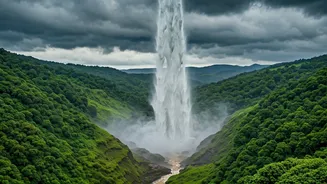
At first glance, it looks like magic. Water tumbles over a cliff edge, only to be caught by an invisible force and thrown back up into the misty sky. While it feels otherworldly, a reverse waterfall is a beautiful display of physics in action. This natural
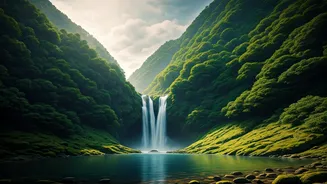
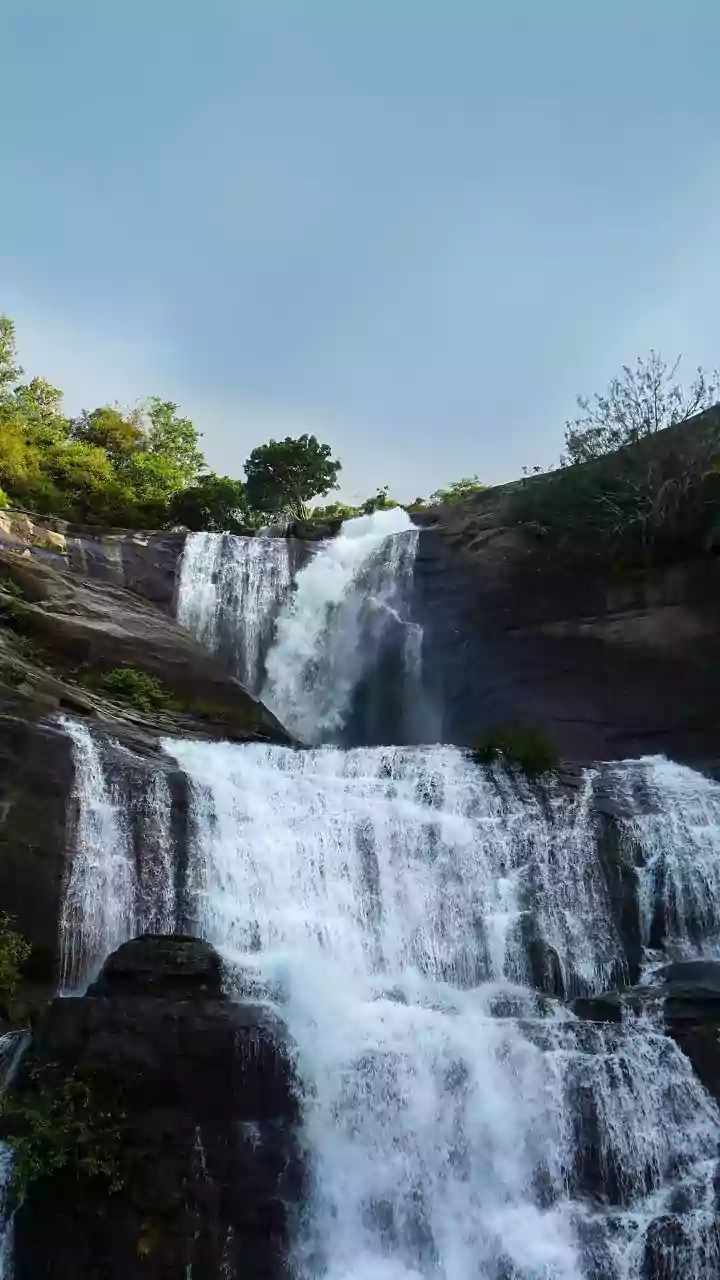
phenomenon occurs during the peak of the monsoon season in hilly or mountainous regions, particularly in India's Western Ghats. It’s not the water itself defying gravity, but rather the result of incredibly powerful winds. As the monsoon winds gain speed and funnel through valleys and up cliff faces, they become strong enough to overcome the downward force of the water, pushing the spray and smaller droplets upwards and backwards. The result is a breathtaking illusion of a waterfall flowing in reverse.
The Magic of the Monsoon Wind
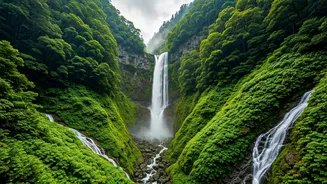
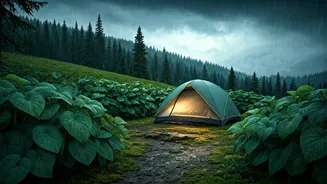
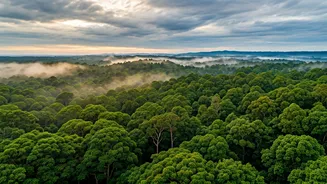
Experiencing a reverse waterfall is about more than just seeing it; it’s a full sensory immersion. As you stand near the edge, you’re not just watching the spectacle—you’re feeling it. A fine, cool mist envelops you, carried upwards by the same wind that powers the phenomenon. The roar of the wind combines with the sound of the cascading water, creating a powerful natural symphony. It’s a moment that connects you directly to the raw, untamed energy of the Indian monsoon. For trekkers and nature lovers, it’s a rewarding sight that makes a rain-soaked journey completely worthwhile. The surrounding landscape, lush and green under the monsoon sky, only adds to the enchantment, making it a perfect frame for this extraordinary event.
Where to Witness This Wonder
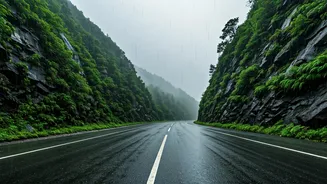
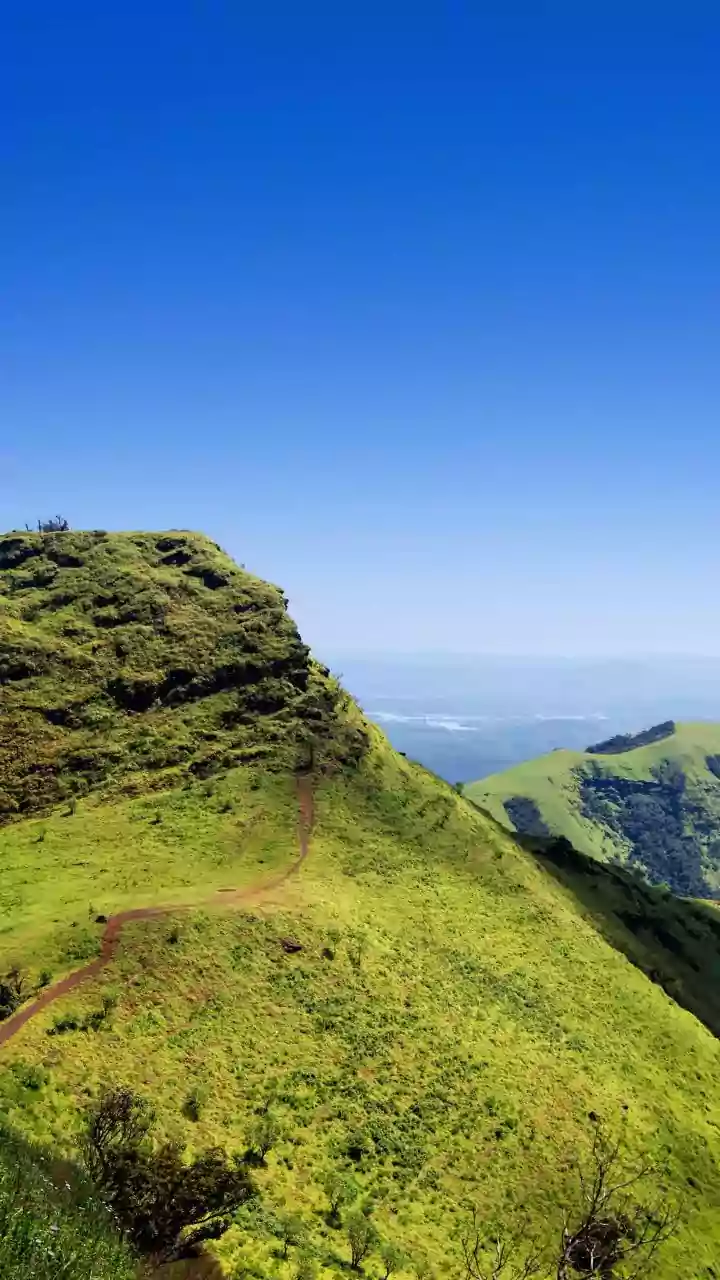
This incredible phenomenon is most famously observed in the Sahyadri mountain range (Western Ghats) in Maharashtra, which comes alive during the monsoon. The combination of steep cliffs and intense seasonal winds creates the perfect conditions. Several spots have become popular destinations for those chasing this unique sight, most of which are easily accessible from major cities like Mumbai and Pune. These locations often involve a scenic drive followed by a short trek, turning the quest for a reverse waterfall into a full-day adventure. The journey itself, through winding ghat roads shrouded in fog and flanked by vibrant greenery, is a memorable part of the experience.
Naneghat: The Famous Upward Cascade
Arguably the most famous spot to witness a reverse waterfall is Naneghat, a historic mountain pass located about three hours from Mumbai. Known for its ancient trade route and inscriptions, Naneghat becomes a hotspot for trekkers during the monsoon. The main attraction is a specific waterfall that, when the winds are right, puts on a spectacular reverse show. Trekkers who make the journey to the top are rewarded not only with the waterfall but also with panoramic views of the surrounding valleys blanketed in clouds. The trek is moderately challenging, making the final sight feel like a well-earned prize. The combination of history, nature, and this unique phenomenon makes Naneghat a bucket-list destination for any monsoon enthusiast.
Other Must-Visit Spots
While Naneghat gets most of the attention, several other locations offer a similar magical experience. Near Pune, the trek to Sinhagad Fort during heavy rains often reveals smaller reverse waterfalls along its cliffs. Malshej Ghat, a stunning mountain pass known for its dense fog and countless waterfalls, is another prime location. Here, strong winds frequently create the reverse effect on many of the cascades lining the road. For the more adventurous, Sandhan Valley, often called the “Valley of Shadows,” also features reverse waterfalls during peak monsoon, adding another layer of wonder to an already thrilling trek. Each location offers a slightly different perspective on this beautiful natural illusion.
Tips for a Safe and Memorable Trip
To make the most of your reverse waterfall adventure, planning is key. The best time to go is during the peak monsoon months, typically from July to early September, when rainfall and wind speeds are at their highest. Check the weather forecast before you leave, as these areas are prone to heavy downpours and fog. Wear appropriate gear: a reliable raincoat, waterproof shoes with excellent grip for slippery trails, and quick-drying clothes are essential. Always be cautious near cliff edges, as the ground can be unstable and the winds dangerously strong. It’s best to go with a group and inform someone of your plans. Finally, pack your phone in a waterproof pouch to capture the memory without risking damage.