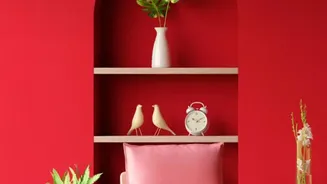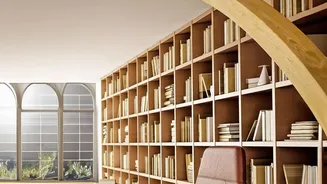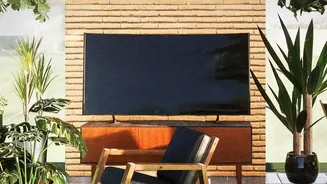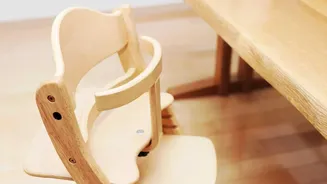

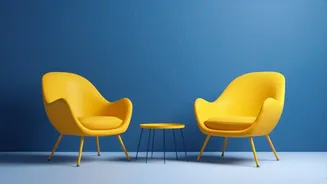
The First Wave: A World of Softness
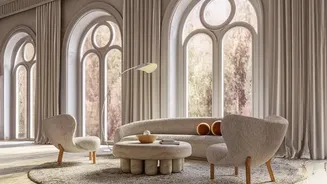
The initial return of curves was a direct response to years of rigid minimalism. We craved comfort, and design delivered with cloud-like sofas, kidney-bean coffee tables, and perfectly round pouffes. The goal was to make our homes feel more welcoming,
intuitive, and calm. This first wave was characterized by its organic, almost undefined shapes. It was about creating a visual language of ease, using furniture to make rooms feel more open and less structured. These pieces softened the visual landscape, promoting a sense of flow and relaxation that resonated deeply as our homes became our sanctuaries.
The Rebalance: Curves Get a Backbone
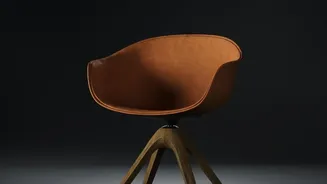
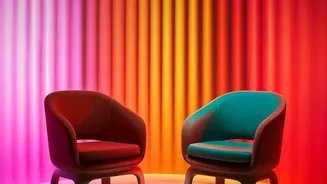
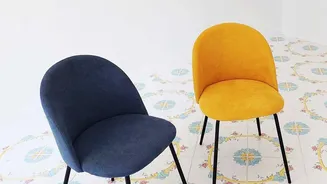
Lately, designers and homeowners have started to seek more than just softness. The result is a 'rebalance'—a move towards more architectural and sculptural curves. Think less about amorphous shapes and more about intentional, elegant arcs. This new phase sees gently curved sofa backs paired with clean, straight seats, or dining chairs with a defined, rounded back that offers ergonomic support without sacrificing style. It’s about introducing curves with purpose, using them as a sophisticated design tool rather than a blanket solution for coziness. These are not the free-flowing forms of yesterday; they are controlled, deliberate, and have a stronger structural presence.
A New Visual Structure
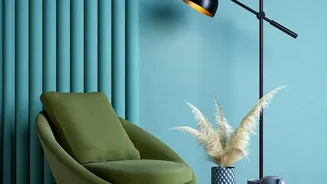
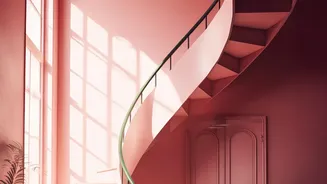
So what does this rebalance mean for a room's visual structure? While the first wave of curves aimed to dissolve structure, the new wave aims to create it. An overabundance of soft, rounded forms can sometimes make a space feel chaotic or undefined. By integrating more architectural curves, you create what designers call visual hierarchy. A single, statement piece with a strong curve—like an arched floor lamp or a sofa with a sculptural arc—can act as a focal point, guiding the eye and anchoring the room. This creates a dynamic tension between soft and straight elements that makes a space feel more considered and complete. It’s a shift from curves as mere decoration to curves as a foundational element of a room's layout.
How to Master the Mix
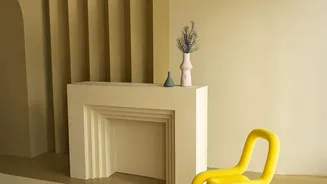
Integrating this new trend doesn't mean starting from scratch. The key is balance. Most designers suggest an anchor-and-echo approach: start with one primary curved piece and repeat the motif in smaller doses, perhaps with a round mirror or a vase. A great rule of thumb is to aim for a mix where straight lines still dominate, providing a stable backdrop for the curves to shine. Pairing a curved sofa with a rectangular rug, for instance, grounds the piece and keeps the room from feeling too fluid. Similarly, balancing a round dining table with linear artwork or a geometric light fixture creates a sophisticated contrast that feels both modern and timeless. The goal is a dialogue between shapes, not a monologue.