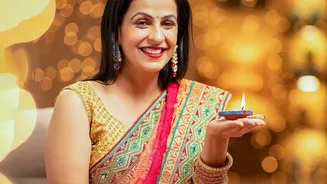




For generations, the arrival of Diwali in Maharashtra was heralded by the aroma of 'Faral'—an assortment of sweet and savoury snacks made at home. But this cherished tradition is no longer confined to household kitchens and neighbourhood exchanges.
The Heart of a Maharashtrian Diwali
Faral
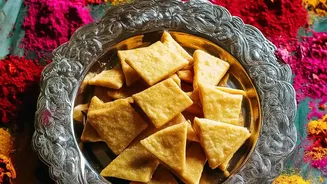
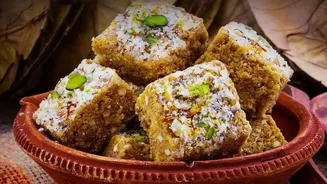
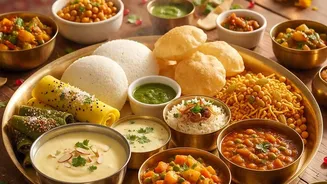
is not a single dish but a lovingly prepared collection of treats that represents the spirit of festive sharing. The platter is a study in contrasts, balancing sweet, spicy, and savoury flavours. Core items include the crunchy, spiral-shaped 'Chakli', the diamond-cut sweet or savoury 'Shankarpali', crescent-shaped 'Karanji' pastries filled with coconut and sugar, and the ubiquitous mixture of flattened rice and nuts known as 'Chivda'. Traditionally, families would begin preparations weeks in advance, making these snacks in large batches to serve guests and distribute as gifts, a symbol of community and abundance. The entire process, from sourcing ingredients to cooking together, was a ritual that bonded generations.
From Homemade Tradition to Commercial Staple
As lifestyles became busier, the elaborate, time-consuming process of making Faral at home began to wane in some urban households. This created an opening for local entrepreneurs and home chefs to fill the void. Initially, small neighbourhood sweet shops began offering pre-packaged Faral. Over time, this has grown into a significant seasonal industry, with home chefs and established brands creating curated boxes that are sold online and shipped globally. This commercialisation made Faral accessible to those who lacked the time or skills to prepare it, ensuring the tradition continued, albeit in a different form. It also marked the first step in introducing these regional delicacies to people outside the Maharashtrian community.
The Festival Stage
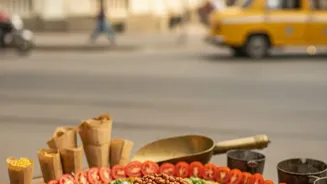
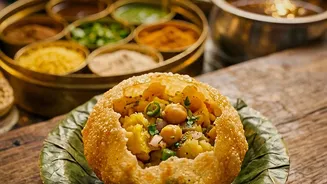
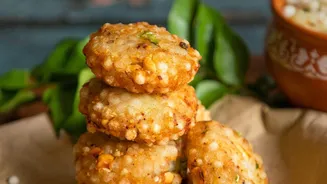
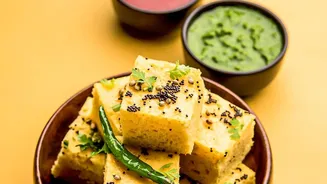
Food festivals have become a crucial platform for regional Indian cuisines, and Maharashtrian food is no exception. While many festivals focus on main courses like Kolhapuri mutton or Malwani seafood, the snacks section is where Faral items often shine. Organisers of events celebrating Maharashtrian culture, both within the state and in other major cities, are increasingly including stalls dedicated to traditional foods. These festivals offer a tasting menu of the state's culinary diversity, where visitors can sample items like Kothimbir Vadi alongside Chakli and Shankarpali. This exposure allows a curious foodie, who may have come for a Vada Pav, to discover a whole new category of snacks, sparking wider interest and appreciation.
A New Stop on the Culinary Tourist's Map
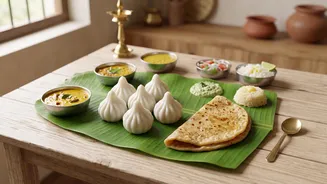
Culinary tourism in India is booming, with travellers seeking authentic, localised experiences. Maharashtra's burgeoning agri-tourism sector is perfectly positioned to cater to this demand. Farm stays and rural tourism ventures near cities like Pune and Mumbai now offer immersive cultural packages. These often include experiences centred around local food traditions, from participating in the harvest to learning to cook regional dishes. While Faral is intrinsically tied to Diwali, some of its components are being showcased yearround as representative Maharashtrian snacks. Enterprising hosts offer Faralmaking workshops or include these treats in their welcome platters, transforming a festive speciality into an accessible taste of local heritage for tourists from across India and the world.
Preserving Heritage for a Modern Palate
The growing visibility of Faral serves a dual purpose. For the Maharashtrian diaspora and younger generations, it offers a convenient link to their cultural roots. For new audiences, it's an introduction to the depth and variety of Indian regional food beyond the usual restaurant fare. The trend also encourages innovation. While traditional recipes remain paramount, some home chefs and brands are experimenting with healthier ingredients or modern packaging to appeal to contemporary tastes. By moving from the private sphere of the home to the public stages of festivals and tourism, Faral is not just being preserved; it is being actively celebrated and redefined for a new era.