
The Myth of the Purifying Plant
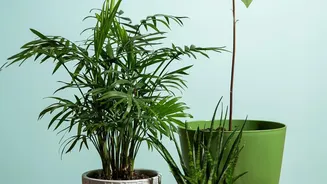
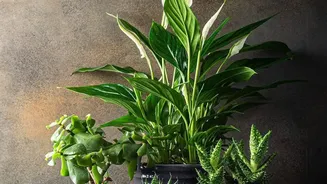
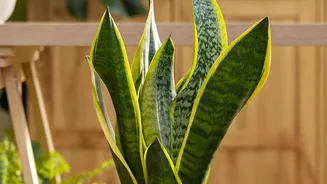
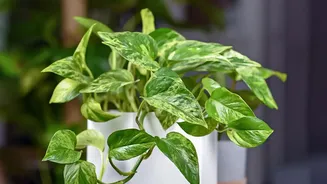
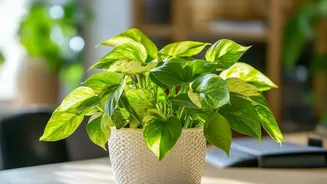
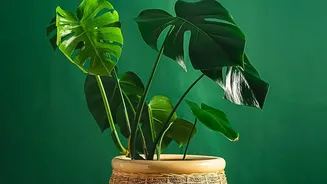
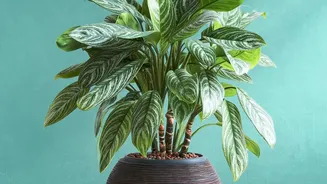
The popular belief that houseplants scrub the air of toxins originates from a well-known NASA study. This research showed that in a sealed, controlled chamber, plants could indeed remove harmful volatile organic compounds (VOCs) like benzene and formaldehyde.
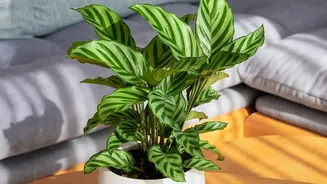
However, your home is not a sealed lab. Subsequent research has clarified that in a typical house with natural air exchange, you would need an impossibly large number of plants—anywhere from 10 to 1,000 per square metre—to replicate those lab results. The natural ventilation of a building does far more to clear the air than a few potted plants. This doesn't mean you should get rid of your green friends; their positive impact on mental well-being is well-documented. But for air purification, they are not a practical, standalone solution.
Identifying the Real Indoor Pollutants
If plants aren't the solution, what is the problem? Indoor air can be two to five times more polluted than outdoor air, largely because modern, energy-efficient homes trap contaminants inside. These pollutants come from many sources. VOCs are released from paints, new furniture, cleaning supplies, and even air fresheners. In India, cooking practices, especially without proper exhaust, can release significant particulate matter (PM2.5). The burning of incense sticks, dhoop, and agarbattis also contributes to indoor pollution. Other common culprits include dust mites, pet dander, mold growth from humidity, and outdoor pollution seeping in through cracks and open windows.
Strategy 1: Ventilate Wisely
The most effective way to reduce indoor pollutants is to dilute them by bringing in fresh air from outside. However, in many Indian cities with high levels of outdoor pollution, this requires a smart strategy. The key is to ventilate when the outdoor air quality is at its best, which is often in the early morning or after it rains. Make it a habit to use exhaust fans in your kitchen while cooking and in your bathroom after a shower. These fans are crucial for removing moisture and combustion pollutants directly at the source before they can spread through your home. Even opening windows for just 15-20 minutes a day can make a significant difference in refreshing your indoor environment.
Strategy 2: Filter the Air Mechanically
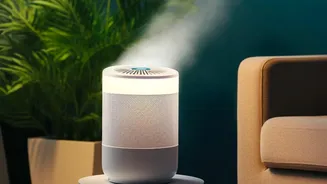
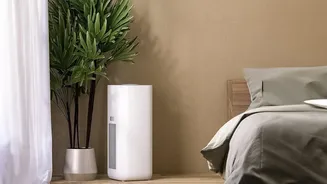
For a more robust solution, especially in high-pollution areas, an air purifier is a worthwhile investment. Look for a model equipped with a High-Efficiency Particulate Air (HEPA) filter. A true HEPA filter is certified to capture 99.97% of airborne particles as small as 0.3 microns, which includes dust, pollen, mold spores, and harmful PM2.5 particles. When choosing a purifier, pay attention to its Clean Air Delivery Rate (CADR). This number tells you how quickly the machine can clean a room of a specific size. For the best results, choose a purifier with a CADR appropriate for your room size and place it in the area where you spend the most time, like your bedroom or living room.
Strategy 3: Control Pollutants at the Source
The final piece of the puzzle is to minimize the release of pollutants in the first place. This is known as source control. When renovating or buying new items, opt for low-VOC or zero-VOC paints, furniture, and building materials. Reduce your reliance on chemical-based cleaning products and aerosol sprays, switching to natural alternatives where possible. Avoid smoking indoors, as it's a major source of indoor pollution. Regular cleaning is also key; dusting with a damp cloth and vacuuming frequently helps remove particles that have settled on surfaces before they can become airborne again. By preventing pollutants from entering your home's air, you reduce the overall burden on your ventilation and filtration systems.