


The Great Indian Snack Shift
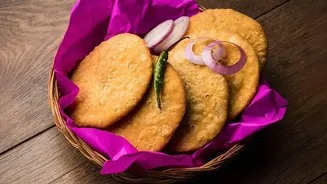
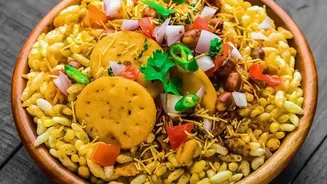
For decades, Indian snacking has been synonymous with the satisfying crunch of samosas, pakoras, and bhujia. While those favourites aren't going anywhere, a significant shift is underway. Driven by rising disposable incomes, busy urban lifestyles, and a surge
in health awareness, a new generation of consumers is actively seeking out snacks that are both tasty and nutritious. This isn't just a fleeting trend; it's a fundamental change in consumer behaviour. The Indian healthy snacks market is now growing at a faster pace than the global average, signalling a permanent expansion of the country's palate. Consumers, especially Gen Z, are reading labels more carefully, demanding transparency, and looking for ingredients that do more than just fill a gap between meals.
Meet the New Snack Stars
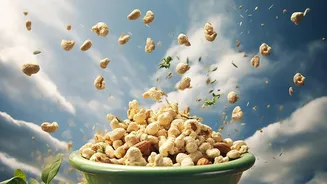
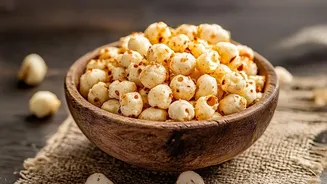
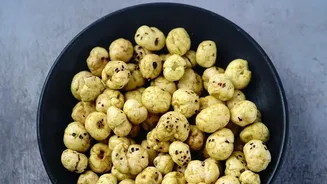
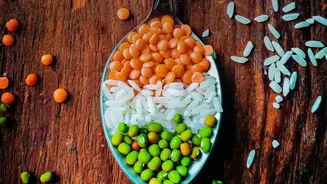
So, what are people eating instead? The new snack aisle is filled with modern twists on ancient grains and superfoods. Leading the charge are millets like jowar, bajra, and ragi. Once considered humble, traditional staples, millets are now the hero ingredient in everything from baked chips and puffs to savoury mixes, celebrated for being nutrient-dense and gluten-free. Alongside millets, makhana (fox nuts) has been elevated from a simple fasting food to a mainstream sensation. Roasted instead of fried, and available in a variety of modern flavours, makhana offers a guilt-free crunch that directly competes with potato chips. These options are often baked or air-popped, and proudly carry labels like 'no palm oil' or 'high protein', directly addressing the concerns of today's label-conscious buyer.
Old Tastes in New-Age Formats
This snacking revolution isn't about abandoning Indian flavours; it's about reinventing them. The most successful new-age snack brands understand that while consumers want to be healthy, taste remains king. The genius lies in applying familiar, beloved flavours to healthier bases. You’ll find makhana dusted with peri-peri and pudina, millet puffs seasoned with tangy masala, and baked ragi chips designed for dipping. This approach makes the transition to healthier eating feel less like a sacrifice and more like an exciting discovery. It’s the comfort of a familiar taste profile combined with the modern desire for a clean, 'guilt-free' product, creating a powerful and appealing proposition for a market in transition.
The Direct-to-Consumer Revolution
This rapid innovation has been fueled by the rise of the digital marketplace. A host of new Direct-to-Consumer (D2C) brands have bypassed traditional retail channels, using social media and e-commerce to reach customers directly. This digital-first approach allows them to tell their story, educate consumers about ingredients, and build a loyal community around their products. Quick commerce platforms have also made these snacks more accessible than ever, delivering a bag of roasted makhana or millet namkeen in minutes. The success of these startups hasn't gone unnoticed. Legacy food giants are now entering the fray, launching their own healthy lines, like PepsiCo's Kurkure millet puffs, further validating and accelerating the trend.