






As winter draws in, bringing shorter days and cooler air, the desire for fresh, aromatic flavours doesn't have to fade. Imagine snipping fresh Tulsi for your morning tea or dhania for your dal, right from your kitchen window.
Your Windowsill Advantage
A kitchen windowsill is the
perfect micro-garden for an Indian home. It offers easy access to sunlight and is conveniently close for daily watering and harvesting. More importantly, it brings a touch of living greenery indoors, purifying the air and lifting spirits during the colder months. These three herbs—Tulsi, mint, and coriander—are staples in Indian households for their culinary and wellness properties, and all can be successfully grown in a small space with the right care. You don't need a large garden, just a bright spot and a little attention.
Getting the Basics Right
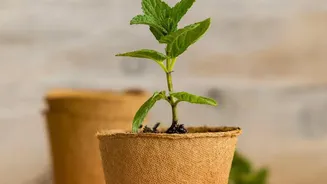
Before you start, gather your supplies. You'll need pots that are at least 6-8 inches wide and deep, with drainage holes at the bottom to prevent waterlogging, which is a common cause of root rot. Terracotta is a good choice, but any material will do. For soil, always choose a high-quality potting mix rather than garden soil. Bagged potting mix is lighter, well-draining, and sterile, preventing pests and diseases. You can improve drainage further by adding some sand or perlite to your mix. These basic materials create the foundation for healthy roots and a thriving plant.
Sacred Sustenance: Growing Tulsi
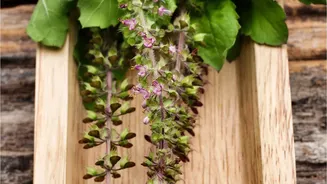
Tulsi, or Holy Basil, is revered in India and is a must-have for its spiritual and medicinal benefits. It loves sunlight, so a south-facing windowsill where it can receive at least 4-6 hours of direct sun is ideal. Water Tulsi when the top inch of soil feels dry, but be careful not to overwater, especially in winter. Overwatering is the most common mistake with indoor Tulsi plants. To encourage a bushy, full plant, regularly pinch off the flowering tops (manjari) before they fully develop. This directs the plant's energy into producing more of its fragrant, healthy leaves.
The Ever-Ready Mint (Pudina)
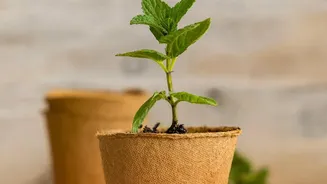
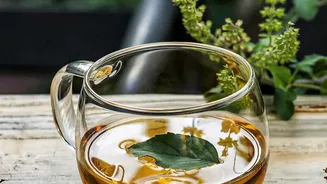
Mint is famously easy to grow and incredibly rewarding. Its vigorous nature means it's best to give it its own pot, as its runners can quickly take over. Mint thrives in a spot with bright, indirect light, making an east-facing window a good choice, though it can tolerate less light than other herbs. Keep the soil consistently moist but not waterlogged. Mint is one of the quickest herbs to grow from a cutting; simply place a healthy stem in a glass of water, and you'll see roots in about a week or two. Once rooted, you can plant it in soil for a continuous supply for your chutneys, raitas, and teas.
The Flavourful Challenge: Coriander (Dhania)
Coriander, or dhania, can be slightly trickier, but the reward of fresh leaves is well worth it. It's best grown from seeds, which you can get from a garden store or even use whole seeds from your kitchen spice box. Some gardeners find that gently splitting the seeds before planting helps with germination. Coriander prefers cooler conditions and can bolt (flower prematurely) if it gets too hot. It needs consistent moisture and good drainage. A key to a continuous supply is succession sowing—planting a new batch of seeds every three to four weeks. This ensures you always have a fresh crop ready for garnishing.
Harvesting for Abundance
The secret to a long-lasting herb supply is correct harvesting. Never just pluck individual leaves off the stem. For branching herbs like Tulsi and mint, trim the stem just above a pair of leaves. This technique, called 'pinching' or 'topping', encourages the plant to send out two new shoots from that point, making it fuller and more productive. For coriander, harvest the outer, older stems first, cutting them near the base. This allows the younger inner leaves to continue growing. As a general rule, never harvest more than one-third of the plant at a time to ensure it has enough foliage left to recover and regrow.