






A Return to Roots and Authenticity
For a generation that grew up online, the appeal of something as tangible and earthy as terracotta is a powerful counter-narrative. This isn't just about aesthetics; it's a conscious choice reflecting deeper values. Gen Z prioritises authenticity, sustainability,
and unique, handcrafted items over mass-produced goods. Terracotta, with its natural variations and connection to centuries of Indian craftsmanship, offers just that. Each piece, whether a simple pot or an intricate tile, carries a story and a human touch, providing a sense of grounding in a fast-paced digital world. This move toward materials like terracotta signals a desire to create homes that are not just stylish, but also sanctuaries of well-being and personal identity.
Not Your Grandmother’s Earthenware
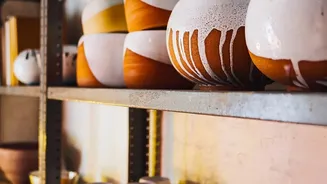
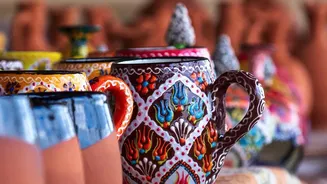
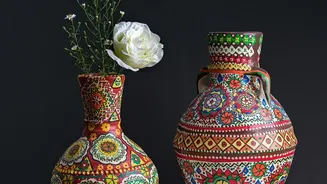
While terracotta has been a staple in Indian homes for centuries, primarily for its natural cooling properties, its modern revival is anything but conventional. Gen Z is reimagining this humble material in contemporary forms. Forget just rows of planters on a windowsill. Today, terracotta is appearing as minimalist pendant lights that cast a warm glow, sculptural vases that serve as standalone art pieces, and textured accent walls that bring warmth to otherwise neutral rooms. Artisans are blending time-honed techniques with modern design sensibilities, creating everything from sleek tableware to geometric wall tiles that resonate with urban aesthetics. This fusion allows the material to feel fresh and relevant, rather than nostalgic or dated.
The Art of the Modern-Traditional Mix
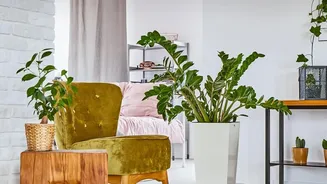
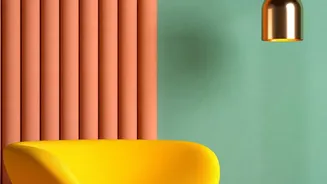
The genius of this trend lies in the blend. Gen Z isn’t creating rustic-themed rooms; they are strategically using terracotta to add warmth and texture to modern, often minimalist, interiors. Picture a deep, earthy terracotta floor or a single feature wall paired with clean-lined furniture, neutral off-whites, and muted greens. The raw, matte finish of a terracotta vase contrasts beautifully with a sleek metal side table or a soft linen sofa. This balance is key. The warmth of the clay prevents minimalist spaces from feeling cold or sterile, while the modern furniture keeps the terracotta from looking too traditional. It is often paired with other natural materials like light wood, brass accents, cane, and an abundance of indoor plants to enhance the organic, calming feel.
A Conscious Choice for a Sustainable Home
Beyond its visual appeal, terracotta is a champion of sustainability—a core value for many Gen Z consumers. As a natural, locally sourced material, it has a significantly lower environmental footprint compared to many mass-produced alternatives. It is durable, biodegradable, and has been used for centuries in Indian architecture for its passive cooling abilities, which can help reduce energy consumption in warm climates. By choosing handcrafted terracotta, decorators are not only making an eco-conscious decision but also supporting local artisans and preserving traditional craft ecosystems. This alignment of aesthetics and ethics is a defining characteristic of how this generation approaches consumption and design.
How to Get the Look
Incorporating this trend doesn't require a complete overhaul. The easiest way to start is with small accents. Group two or three terracotta pots with indoor plants to bring natural greenery and earthy texture to a corner. A single, sculptural terracotta vase or a set of clay bowls can serve as a focal point on a coffee table or shelf. For a more significant statement, consider a feature wall using terracotta-coloured lime paint or textured clay tiles behind a bed or in a living room. When styling, remember the power of contrast. Pair terracotta pieces with modern elements, neutral colours, and different textures like wood and metal to create a space that feels layered, personal, and thoughtfully curated.