



The latest social media beauty hack promises the anti-ageing power of retinol with the de-puffing magic of ice. But before you rush to your freezer, experts are raising a major red flag about this viral DIY trend. Here's what you need to know.
The Allure of the Frozen Facial
Viral skincare
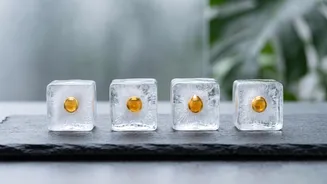
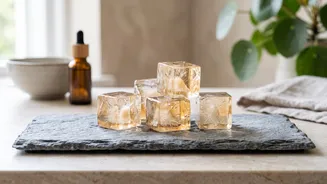
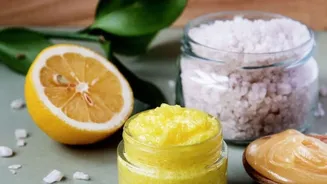
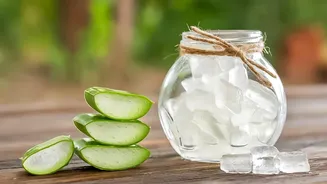
trends often combine two popular concepts into one seemingly brilliant idea. The 'retinol ice cube' is a perfect example. Proponents claim that by freezing retinol-infused concoctions, you get a double-win: the tightening, de-puffing, and inflammation-reducing benefits of facial icing, plus the proven anti-ageing power of retinol. Recipes circulating online often involve blending ingredients like cucumber, potato juice, and vitamin E capsules, marketing it as a 'natural retinol' solution. The idea is to rub these cubes on your face for a refreshed, glowing complexion. While the temporary effects of cold therapy on skin—like reducing puffiness and constricting blood vessels—are known, mixing in a potent active like retinol changes the game entirely.
Why Freezing Retinol Is a Bad Idea
Retinol is a notoriously unstable molecule. Professional skincare brands invest heavily in research and formulation to ensure their retinol products remain stable and effective. Factors like light, air, and temperature can degrade the ingredient, rendering it useless. While some sources suggest refrigeration can extend the shelf life of certain retinoids, freezing is a different story. Experts warn that freezing can destabilize the formula, potentially destroying the retinol's potency. Furthermore, cosmetic formulas are designed to be stable at room temperature. Introducing extreme cold can cause ingredients to separate or change texture, ruining the product. What you're left with is likely an ineffective cube of frozen water with potentially irritating, degraded ingredients.
The Dangers of DIY Formulations
Beyond the issue of stability, creating your own retinol mixture is fraught with risk. Retinol is a powerful active ingredient that can cause significant irritation, redness, peeling, and dryness, especially when first introduced. Commercially available products use specific, tested concentrations, starting as low as 0.25%. In a homemade mixture, you have no way of knowing the actual strength of your concoction, making irritation much more likely. Another major concern is the lack of preservatives. Without them, your homemade ice cubes can become a breeding ground for bacteria, which you then rub all over your face. This can lead to breakouts and infections. Lastly, many DIY recipes include ingredients like lemon juice, which can make your skin highly sensitive to the sun and even cause burns.
Separate the Trends: How to Use Ice and Retinol Safely
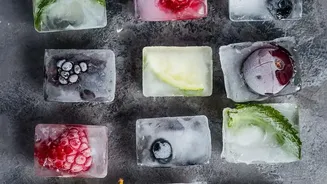
The good news is that you can still enjoy the benefits of both facial icing and retinol—just not at the same time. Facial icing, done correctly, can be a refreshing part of your routine. Always wrap an ice cube in a soft cloth or gauze to protect your skin from ice burn or broken capillaries. Gently glide it over your face for a minute or two to help with morning puffiness. You can make ice cubes with soothing ingredients like green tea or rice water for added benefits.
When it comes to retinol, always opt for a professionally formulated product from a reputable brand. This ensures the ingredient is stable, effective, and safe for your skin. Dermatologists recommend a 'low and slow' approach: start with a low concentration once or twice a week at night. Always apply a pea-sized amount to a clean, dry face, and follow up with a moisturizer to combat dryness. Most importantly, using retinol makes your skin more sensitive to UV light, so applying a broad-spectrum sunscreen every morning is nonstoppable.