







Accountability as the New Buzzword
In a significant shift from the usual inter-departmental blame games, the official approach this year is built on direct accountability. The Delhi government has issued a comprehensive 'Flood Control Order-2026', a document intended to be the single source
of truth for all agencies. This plan isn't just about guidelines; it's about responsibility. For every identified waterlogging hotspot, a specific nodal officer has been appointed who will be held directly accountable if their designated area floods. This top-down directive, chaired by the Chief Minister, aims to replace reactive excuses with proactive prevention, warning that negligence will not be tolerated. Even high-level ministers have been assigned to oversee specific districts, creating a clear chain of command from the top to the streets.
A Technological Offensive
This year’s monsoon plan is not just about political will; it’s about technological skill. The New Delhi Municipal Council (NDMC) is rolling out a high-tech strategy, including the first-ever use of robotic surveys to inspect underground and covered stormwater drains. These robots can identify silt accumulation, blockages, and structural damage in areas inaccessible to humans, allowing for precision cleaning. In addition to robots, authorities are deploying GIS mapping of the entire stormwater infrastructure to pinpoint blockages faster. At chronic waterlogging points like Purana Qila and Panchkuian Road, CCTV cameras and sensor-based monitoring systems are being installed for real-time tracking and swift action during heavy downpours.
Gurugram's Ground Game
Gurugram, notorious for its monsoon traffic snarls and flooded underpasses, is also trying a more mature approach. The Gurugram Metropolitan Development Authority (GMDA) has launched a pilot project to build new rainwater harvesting structures along major roads to capture runoff and recharge the groundwater. This dual-purpose strategy aims to tackle both urban flooding and the city's depleting water table. Agencies have been directed to complete all drain cleaning and repair work on a war footing, with a clear deadline of June 15. Officials are also focusing on improving drain connectivity at key traffic junctions and lowering green belts to act as natural 'green drains', enabling faster water runoff from the roads. The emphasis is on coordinated action to find lasting solutions rather than temporary fixes.
The Sobering Reality Check
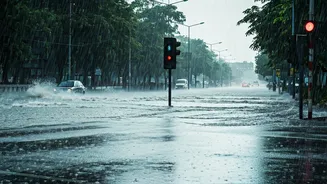
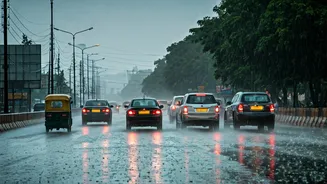
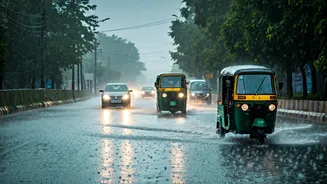
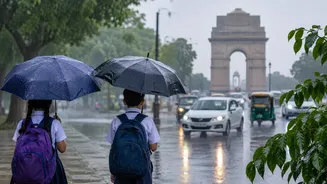
While the plans sound robust, residents are understandably skeptical. After all, promises of a flood-free monsoon are an annual ritual. The challenges remain immense. The monsoon's arrival has been delayed this year, but heavy rainfall is forecast for the first week of July, which will be the first true test of these new systems. The Irrigation and Flood Control Department claims to have surpassed its desilting targets, removing over 3 million metric tonnes of silt, but the real measure of success is clear roads and safe homes. Civic bodies like the MCD are overseeing cleaning in hundreds of major drains and have set up control rooms in all zones. The number of available water pumps has been increased to over 243. Yet, every year, the sheer volume of rain overwhelms parts of the city’s decades-old infrastructure.