








Why Now? The Rise of the Planned Plate
For generations, the rhythm of the Indian kitchen was spontaneous and intuitive. But modern life, with its demanding schedules and dual-income households, has changed the equation. The recent surge in health consciousness, amplified by the global pandemic,
has pushed families to seek more control over what they eat. Meal planning has emerged as the perfect solution. It’s a response to a collective desire to manage time better, reduce the mental load of daily decisions, and ensure that home-cooked meals are both nutritious and consistent. This isn't about ditching tradition; it's about structuring it to fit the 21st-century lifestyle.
More Than Just a Diet
While often associated with weight loss, the benefits of meal planning extend far beyond the weighing scale. Firstly, it’s a powerful tool for budget management. A clear plan means a precise shopping list, drastically cutting down on impulse buys and visits to the grocery store. Secondly, it significantly reduces food waste. By buying only what you need, you ensure that vegetables don’t wilt in the back of the fridge and dals don't languish in the pantry. Perhaps most importantly, it saves a phenomenal amount of time and mental energy. The daily 6 PM panic is replaced by a clear, executable plan, freeing up valuable time and reducing stress.
Step 1: Start with an Audit
Before you start planning, take stock. What does your family actually enjoy eating? What ingredients are already in your pantry and freezer? A successful meal plan is one that people will stick to. List down 10-15 dishes that are family favourites—from simple dal-rice and sabzi-roti combos to weekend specials like biryani or chole bhature. This list will become the backbone of your weekly rotation. Acknowledge your routine: do you need quick breakfasts? Are packed lunches a daily requirement? Your plan should serve your life, not the other way around.
Step 2: Create Your Blueprint
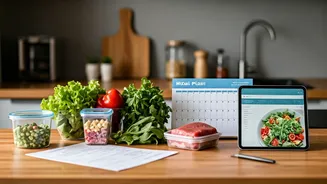
You don't need a complicated spreadsheet. A simple notebook or a whiteboard on the fridge will do. Design a weekly grid with days of the week and meal slots (breakfast, lunch, dinner). Start small by planning just your dinners for the week. Use theme nights to make it easier and more fun—think ‘Dal and Rice Mondays’, ‘Paneer Wednesdays’, or ‘Pulao Fridays’. Slot in your family's favourite dishes from the list you created. Remember to plan for leftovers, which can make for a great, zero-effort lunch the next day.
Step 3: Shop Smart, Not Often
Once your weekly plan is ready, turn it into a master grocery list. Go through each planned meal and list every single ingredient you'll need. Check it against your pantry audit to avoid buying duplicates. This focused list is your secret weapon against overspending and food waste. Whether you prefer your local market or the convenience of online grocery apps, stick to the list. A single, well-planned weekly shop is far more efficient than multiple last-minute trips for a missing tomato or a packet of masalas.
Step 4: The Art of the Prep
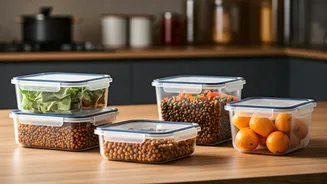
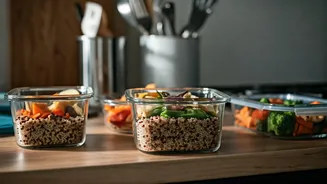
This is where the magic happens. Dedicate an hour or two over the weekend to 'meal prep'. This doesn’t mean cooking all your meals in advance. For Indian cooking, it's about preparing components. You can chop onions, tomatoes, and other vegetables for the next few days. Prepare a large batch of ginger-garlic paste. Make a base onion-tomato masala that can be used for various curries. Boil potatoes, soak dals, or even knead roti dough for the next day. This prep work transforms weekday cooking from a long chore into a quick, 20-minute assembly job.