








A Different Definition of Global
The global career dream is still very much alive for young Indians, but the pathway is radically changing. A recent study found that 61% of Indian professionals now prefer remote global roles over physically relocating. The traditional, linear path—study
abroad, find a job, settle down—is being replaced by a more fluid, portfolio-based approach. The rise of the freelance and gig economy, coupled with the widespread adoption of remote work, has untethered talent from geography. This allows young professionals to gain international experience without committing to a single, often expensive, location. Instead of spending years and lakhs of rupees on a degree in the US or UK, they can start earning, building skills, and exploring the world simultaneously.
The Unbeatable Economics of the East
The financial math is stark and compelling. The cost of living in a major Western city is a significant barrier. A monthly budget in a Western European hub can easily exceed $3,000, while a comfortable lifestyle in a Southeast Asian hotspot like Chiang Mai or Bali can be managed for between $900 and $1,500. This isn't just about saving money; it's about buying a higher quality of life. For the price of a small, shared flat in London, a remote worker in Bali can afford a private villa with a pool. This cost arbitrage means that even a modest income in rupees or dollars can provide a lifestyle of abundance, a powerful incentive when compared to the financial struggles many international students face in the West.
A Red Carpet, Not Red Tape
While Western nations are tightening visa rules and making long-term stays more difficult, Southeast Asian countries are rolling out the welcome mat. Countries like Thailand, Indonesia, and Malaysia have introduced new long-term visas specifically designed for remote workers, often called 'digital nomad' visas. Thailand’s ‘Destination Thailand Visa’ (DTV) offers a five-year validity with minimal financial requirements. Indonesia’s visa provides a path to a five-year stay. This stands in stark contrast to the uncertainty and complexity of visa processes for countries like the US, UK, and Canada, where only 15% of Indian professionals feel they clearly understand the rules.
More Than Just Work: Community and Lifestyle
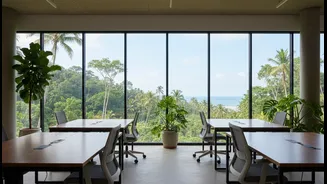
The appeal of Southeast Asia goes far beyond economics and visas. Cities like Bali's Canggu, Thailand's Chiang Mai, and Vietnam's Da Nang have become global hubs for a reason. They offer a unique blend of vibrant, built-in communities, modern infrastructure like co-working spaces with high-speed internet, and an unparalleled lifestyle. For young Indians, this means access to a global network of creative and tech professionals, a social life that blends beach clubs and wellness retreats, and a work-life balance that is often unattainable in a high-pressure Western corporate environment. This community aspect provides a crucial support system, mitigating the loneliness that can often accompany a move abroad.
The West's Waning Welcome
Simultaneously, the shine of traditional Western destinations is fading due to a combination of factors. Soaring tuition fees, an accommodation crisis in major university towns, and saturated post-study job markets are creating a 'perfect storm' for international students. Reports show a decline in new Indian student enrolments in the UK and US, with many citing affordability and restrictive government policies as key concerns. Students are increasingly evaluating their options through the lens of return on investment, and for a growing number, the high cost and uncertainty of a Western education no longer seem like the smartest bet.