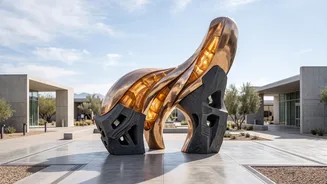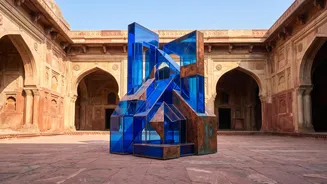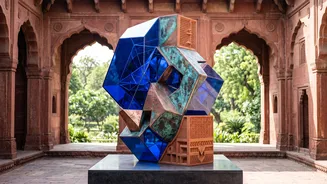



Delhi is buzzing with anticipation as it gears up to host the landmark India Art and Architecture Biennale (IAAB). This massive cultural event promises to transform some of the capital’s most iconic historical sites into sprawling exhibition spaces.
A New Cultural Landmark
The
India Art and Architecture Biennale is poised to become a major fixture on the country's cultural calendar. Envisioned as a celebration of India’s rich creative heritage and contemporary talent, the event aims to create a dynamic dialogue between the past and the future. The central theme, 'Aatmanirbhar Bharat' or Self-Reliant India, will guide the exhibitions, focusing on homegrown ingenuity, indigenous craftsmanship, and the nation's journey in art and design. This is not just another art fair; it's a foundational event designed to foster a deeper connection between citizens and their cultural identity, making art and architecture more accessible to the public than ever before.
The Red Fort Centrepiece
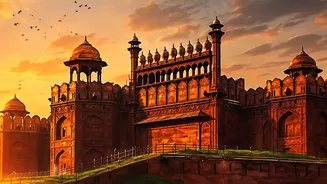
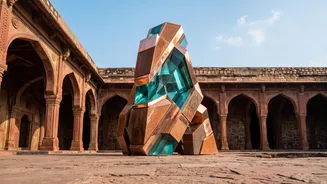
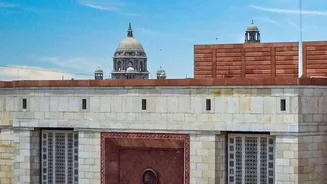
The heart of the Biennale will be the iconic Red Fort, a site steeped in national history. In a remarkable act of adaptive reuse, several British-era barracks on the premises have been meticulously conserved and converted into state-of-the-art exhibition galleries. This transformation itself is a powerful statement on reclaiming and repurposing heritage spaces for modern cultural narratives. The launch will also see the inauguration of the Aatmanirbhar Bharat Centre for Design within the Red Fort complex. This centre is dedicated to showcasing India's unique and diverse design traditions, highlighting everything from traditional textiles to modern product innovations, further cementing the theme of self-reliance.
Pavilions Exploring Indian Identity
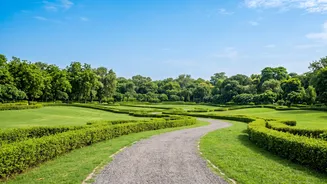
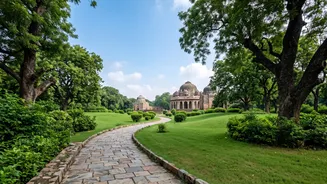
The Biennale will be structured around seven distinct thematic pavilions, each offering a unique lens through which to view India. The 'Doors of India' pavilion will celebrate the symbolic and architectural significance of gateways across the country. 'Gardens of India' will present a fragrant journey through the nation's horticultural history, from Mughal gardens to contemporary landscapes. Other pavilions will include 'Temples of India', showcasing the country's diverse sacred architecture; 'Baolis of India', which delves into the magnificent stepwells of the subcontinent; and 'Architectural Wonders of Independent India', a tribute to the post-1947 marvels that have shaped the modern Indian cityscape. Each pavilion invites visitors to explore a specific facet of India's soul.
A City-Wide Celebration
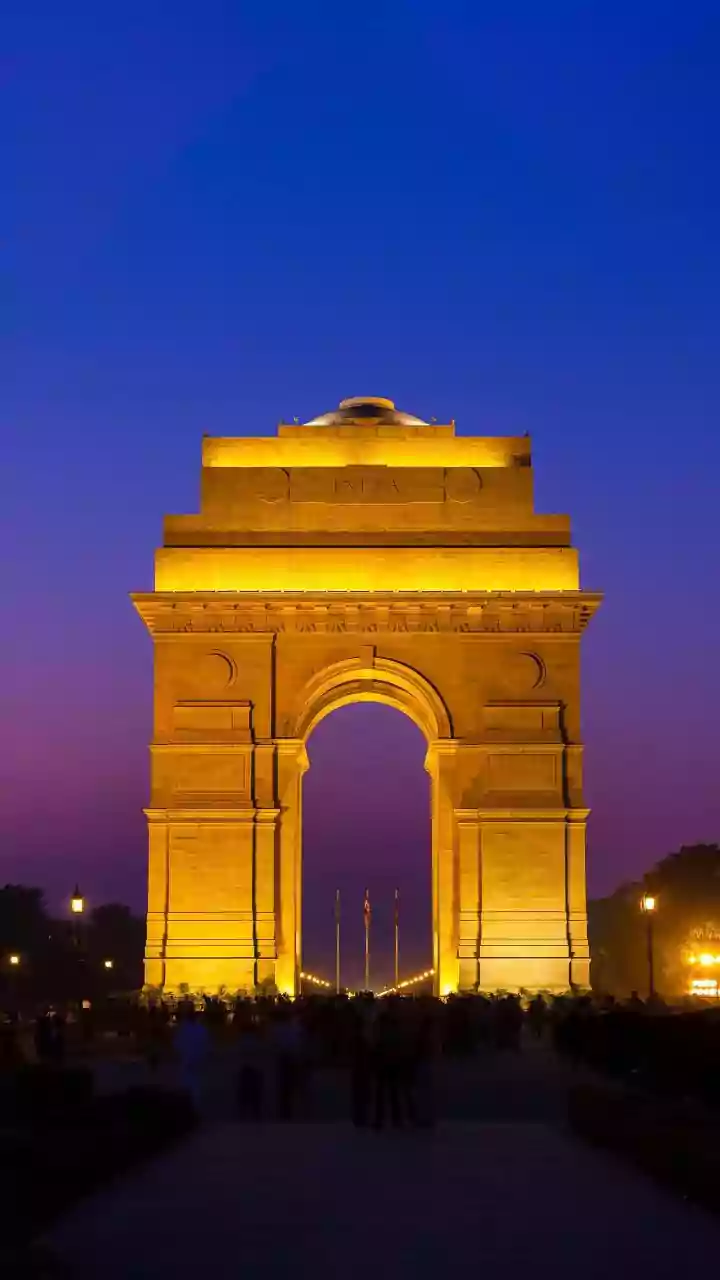
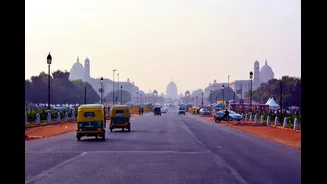
While the Red Fort serves as the main hub, the Biennale's spirit will permeate across the capital. Other prominent cultural institutions are joining the celebration, creating a citywide art trail for enthusiasts. The National Gallery of Modern Art (NGMA) at Jaipur House will host parallel exhibitions and events, connecting the historical core of the Biennale with the world of modern and contemporary art. A dedicated Student Biennale, 'Samunnati', will also be featured, providing a platform for aspiring artists and architects from across the country to showcase their work and engage with leading professionals. This ensures the event is not just a showcase but also an incubator for the next generation of creative talent.
More Than Just Exhibitions
Beyond the visual showcases, the IAAB is designed to be an interactive and engaging experience. The programme will be packed with workshops, panel discussions, and curated walkthroughs led by artists and curators. These events are intended to demystify art and architecture, making complex ideas accessible and engaging for everyone, from seasoned connoisseurs to curious families. The Children's Biennale, 'Kala Bal Utsav', will offer specialised activities and workshops aimed at inspiring creativity in the youngest visitors, ensuring that the celebration of culture is truly inclusive and multigenerational. It's an invitation for all of Delhi to participate, learn, and be inspired.