






What is the PJ.2.1 Variant?
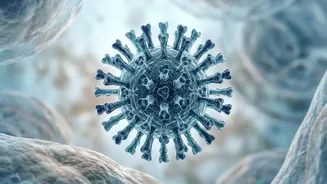
PJ.2.1 is a new lineage of the SARS-CoV-2 virus, first identified from a sample collected in Ontario, Canada, in May 2026. It is a descendant of the JN.1 family, which has been a dominant lineage globally. Scientists describe PJ.2.1 as a 'saltation variant',
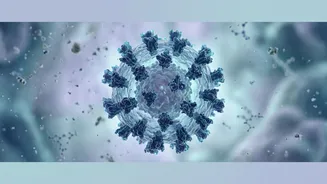
which means it appeared with a large number of genetic changes at once, rather than evolving slowly over time. Many of these mutations are on the spike protein, the part of the virus that latches onto human cells. Early lab studies suggest these changes might help the virus bind more efficiently to the ACE2 receptor, the 'doorway' it uses to enter our cells. However, there is currently no evidence to suggest that PJ.2.1 causes more severe illness, hospitalisations, or deaths compared to previous variants.
A Global Footprint
Since its initial detection in Canada, PJ.2.1 has been identified across multiple continents. Cases have been confirmed in the United States, starting in New York City in June 2026 and spreading to numerous other states. It has also been found in Spain, France, Israel, Singapore, Australia, and New Zealand. The World Health Organization (WHO) has stated it is closely monitoring the variant due to its growing geographical spread. In some regions, like Ontario, it has shown a rapid increase, accounting for over 25% of sequenced samples by mid-October 2026. The symptoms reported are similar to other COVID variants and the flu, including fever, cough, and fatigue, making it impossible to distinguish without diagnostic testing.
The Real Test: Are We Still Watching?
The emergence of PJ.2.1 throws a spotlight on the state of global genomic surveillance. This process—sequencing the genetic code of virus samples—is crucial for tracking how a virus is evolving and spreading. It helps public health officials identify new variants, assess their risks, and inform responses like vaccine updates. However, as the urgency of the COVID-19 pandemic has faded, so too have the resources and attention dedicated to this vital work. Many countries have scaled back their sequencing efforts and data submission to global databases has declined. This creates blind spots, making it harder to detect new threats like PJ.2.1 before they become widespread.
A Question of Equity and Preparedness
The surveillance challenge is not evenly distributed. A significant gap in genomic sequencing capacity persists between high-income countries and low- and middle-income countries (LMICs). This inequity means that new variants could emerge and circulate undetected in large parts of the world, undermining global health security. The COVID-19 pandemic spurred a massive expansion of surveillance technology, but sustaining that investment is critical for future preparedness. Experts argue that the detection of PJ.2.1 is a wake-up call. It demonstrates the continued potential for the virus to mutate significantly and underscores the need for a robust, coordinated, and equitable global surveillance network to protect against future health crises.
Implications for India
While there is no public confirmation of PJ.2.1 being detected in India yet, its global spread makes vigilance essential. Indian health experts have stressed the need to strengthen genomic surveillance to proactively track the variant's potential entry and circulation in the country. The Indian SARS-CoV-2 Genomics Consortium (INSACOG) is the body responsible for monitoring circulating strains, but the emergence of variants like PJ.2.1 highlights the importance of its continued work. For the public, the advice remains consistent: stay up to date with recommended vaccinations, which early studies suggest are still effective at neutralising the new variant, and get tested if you develop symptoms. The key takeaway is not to panic, but to remain aware that the virus is still evolving.