


So, What Is a Jalebi Waffle?
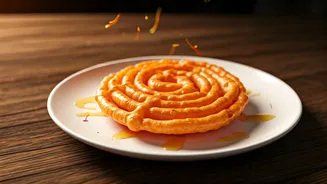
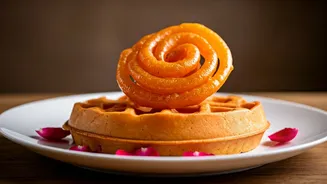
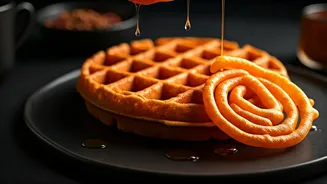
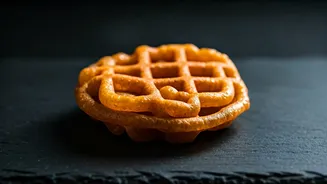
At its core, the Jalebi Waffle is exactly what it sounds like: a creative collision of two iconic foods. But how is it made? More often than not, it involves pouring fermented jalebi batter directly into a hot waffle iron. Instead of the chaotic, beautiful
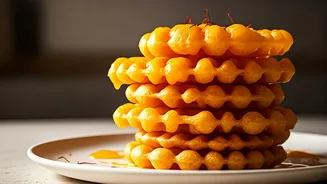
swirls of a traditional jalebi, the batter sets into the familiar grid pattern of a waffle. The result is a single, cohesive piece that boasts the airy, crisp-edged texture of a waffle but carries the distinct tangy-sweet flavour profile of a jalebi. Once cooked, it’s typically drenched in the classic sugar syrup (chashni), ensuring that every bite delivers that signature sticky sweetness we all know and love. It’s a dish that looks Western but tastes unmistakably Indian.
A Tale of Two Comfort Foods
This fusion is particularly fascinating because of the cultural weight both dishes carry. Jalebi is pure nostalgia. It’s the stuff of bustling street-side halwai shops, festive celebrations like Diwali and Eid, and Sunday morning breakfasts in many parts of the country. It’s warm, chaotic, and deeply rooted in tradition. Waffles, on the other hand, represent a more global, contemporary form of indulgence. They speak of leisurely café brunches, Western breakfast spreads, and a certain modern aesthetic. Bringing them together creates a dialogue between the old and the new. It’s a culinary experiment that asks: can the comfort of our childhood evolve? Can a street-food classic find a new home in a chic café setting? The Jalebi Waffle confidently answers yes.
Beyond the Gimmick: The Flavour Experience
A common concern with food fusions is that they might be more for the Instagram grid than for the palate. But the Jalebi Waffle holds its own. The waffle iron creates more surface area, resulting in a fascinating texture that’s crisp on the outside yet soft and slightly chewy on the inside, much like a perfectly fried jalebi. The deep pockets of the waffle are brilliant vessels for holding not just the sugar syrup but also a host of modern toppings. Chefs and home cooks are serving it with a dollop of thick rabri, a scoop of vanilla bean ice cream, a sprinkle of pistachios, or even fresh berries to cut through the sweetness. This versatility is its greatest strength, allowing for a balanced dessert that honours its roots while offering something new.
Part of a Bigger Culinary Trend
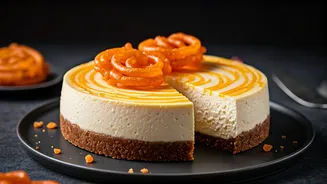
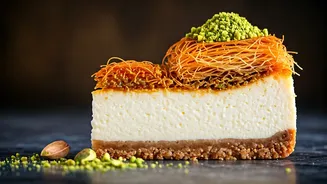
The Jalebi Waffle isn't an isolated phenomenon. It’s a delicious example of a larger movement in modern Indian cuisine. Chefs across the country are re-examining traditional recipes and fearlessly infusing them with global techniques and ingredients. We’ve seen Gulab Jamun Cheesecake, Motichoor Ladoo Parfaits, and Thandai-Panna Cotta. This wave of 'Indo-Western' fusion is driven by a new generation of culinary artists who grew up with traditional Indian flavours but are also exposed to global food trends. They are not trying to replace the classics but are instead creating a new vocabulary for Indian food, one that is both innovative and deeply personal. It’s about celebrating heritage by giving it a fresh, contemporary voice.
Where to Find It (or How to Make It)
Curiosity piqued? The Jalebi Waffle, sometimes called a 'Jaffle', is starting to appear on the menus of trendy cafes and dessert bars in major cities like Mumbai, Delhi, and Bengaluru. Keep an eye out for it in places that specialize in modern Indian fare. For the adventurous home cook, it’s surprisingly easy to replicate. All you need is a waffle maker and some jalebi batter, which you can make from scratch or with an instant mix. Simply prepare the batter as instructed, pour it into your preheated waffle iron, cook until golden brown and crisp, and then soak it in warm sugar syrup. It’s a fun weekend project that’s guaranteed to impress.