





The Great Unwind
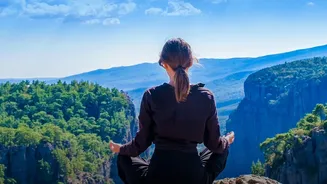
The traditional holiday model—a frantic checklist of forts, viewpoints, and crowded attractions—is losing its charm for many. In its place, a powerful trend towards wellness and nature-centric travel has emerged, reflecting a significant shift in lifestyle
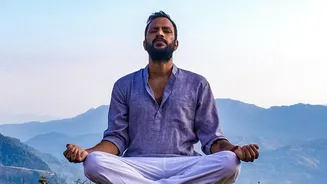
priorities. Industry reports from 2026 confirm that wellness tourism is one of India's strongest and fastest-growing sectors. This is more than just a passing phase; it's a response to modern life. Widespread burnout, digital fatigue from being constantly connected, and a heightened focus on health are encouraging people to seek holidays that offer genuine rest and a deeper connection with themselves and the environment. Travellers are intentionally choosing experiences that promise to quiet the mind, from silent retreats and mindful hikes to digital detoxes. The goal is no longer to just 'see' a place, but to 'feel' better while being there.
The Stay Becomes the Destination
This new approach redefines the very purpose of a getaway. The measure of a successful trip is shifting from the number of sights seen to the level of restoration achieved. Consequently, the accommodation itself has transformed from a mere base for sightseeing into the main attraction. People are booking stays at eco-lodges, Ayurvedic resorts, and boutique wellness centres where the experience is the holiday. This focus on mindful and sustainable travel is also reshaping destinations. Travellers are increasingly drawn to places that support local communities and minimise their environmental footprint. Reports show that a vast majority of Indian travellers are determined to make their trips more mindful and are actively seeking authentic local experiences over generic tourist traps.
Himalayan Sanctuaries for the Soul
The Himalayas have long been a destination for spiritual seekers, and today they are at the heart of India's wellness boom. States like Uttarakhand and Himachal Pradesh are magnets for those looking to disconnect and recenter. Rishikesh, often called the yoga capital of the world, is brimming with ashrams and wellness centres offering everything from intensive yoga teacher training to private Ayurvedic healing and meditation programs. Further up, luxury retreats like Ananda in the Himalayas and Six Senses Vana near Dehradun combine ancient practices with modern five-star comfort. For the more adventurous, the stark, stunning landscapes of Spiti Valley offer a different kind of wellness through sustainable travel, high-altitude trekking, and a profound sense of peace.
Coastal Calm and Ayurvedic Healing
South India, particularly Kerala, remains the epicentre of traditional Ayurvedic healing. The state's serene backwaters and lush greenery provide the perfect backdrop for wellness journeys. Resorts like Somatheeram, one of the pioneers in the field, offer authentic and personalised Ayurvedic treatments overseen by qualified doctors. Beyond Ayurveda, the southern coast offers quiet escapes that stand in stark contrast to party beaches. In places like Neeleshwar in Kerala or Swaswara in Gokarna, the focus is on slow living, with yoga halls overlooking the sea, organic cuisine, and cottages built from local materials. These destinations prove that a beach holiday can be about inner peace just as much as it is about sun and sand.
Into the Woods: Eco-Lodges and Nature Reserves
For those who find restoration in nature, India's boom in eco-tourism offers a wealth of choices. These destinations are built on a foundation of conservation and community involvement, allowing travellers to enjoy incredible biodiversity responsibly. In Karnataka, the forested hills and coffee estates of Coorg are dotted with eco-stays that encourage birdwatching, hiking, and reconnecting with the land. In the east, the mangrove forests of the Sunderbans in West Bengal and the community-managed living root bridges of Meghalaya showcase how tourism can support fragile ecosystems. National parks like Periyar in Kerala and Kanha in Madhya Pradesh have also developed successful models of conservation-led tourism, offering a chance to experience wildlife while contributing to its protection.