





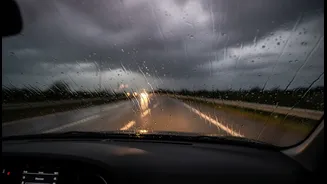


Prepare Your Vehicle Before the Rain Falls
The single most important step for a safe monsoon commute happens before you even leave the house. Your vehicle's condition is paramount. Start with your tyres; they are your only contact with the slippery road. Ensure they have adequate tread depth,
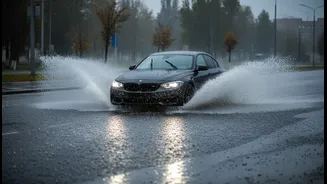
ideally more than 3mm, to prevent hydroplaning—a dangerous situation where your tyres lose contact with the road surface. Next, check your wiper blades. The intense heat of Indian summers can degrade the rubber, causing them to smear water rather than clear it. If they leave streaks or judder, replace them immediately. Finally, ensure all your lights are working: headlights, tail lights, brake lights, and indicators. In a downpour, visibility is drastically reduced, and being seen by others is just as crucial as being able to see.
Master the Art of Driving on Wet Roads
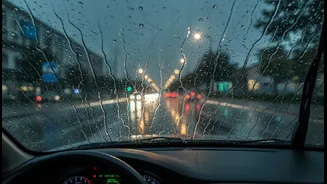
Once you're on the move, your driving style needs to adapt to the conditions. The golden rule is to slow down. Wet roads significantly increase your braking distance, and reducing your speed gives you more time to react to hazards. Maintain at least double the usual distance from the vehicle in front of you. This buffer is your safety net for sudden stops. Use your low-beam headlights even during the day to make your vehicle more visible to other drivers. Avoid using high beams, as they can reflect off the rain and blind oncoming traffic. Be gentle with your controls; sudden acceleration, hard braking, or sharp turns can easily lead to a skid on a slippery surface.
Navigate Waterlogged Streets Wisely
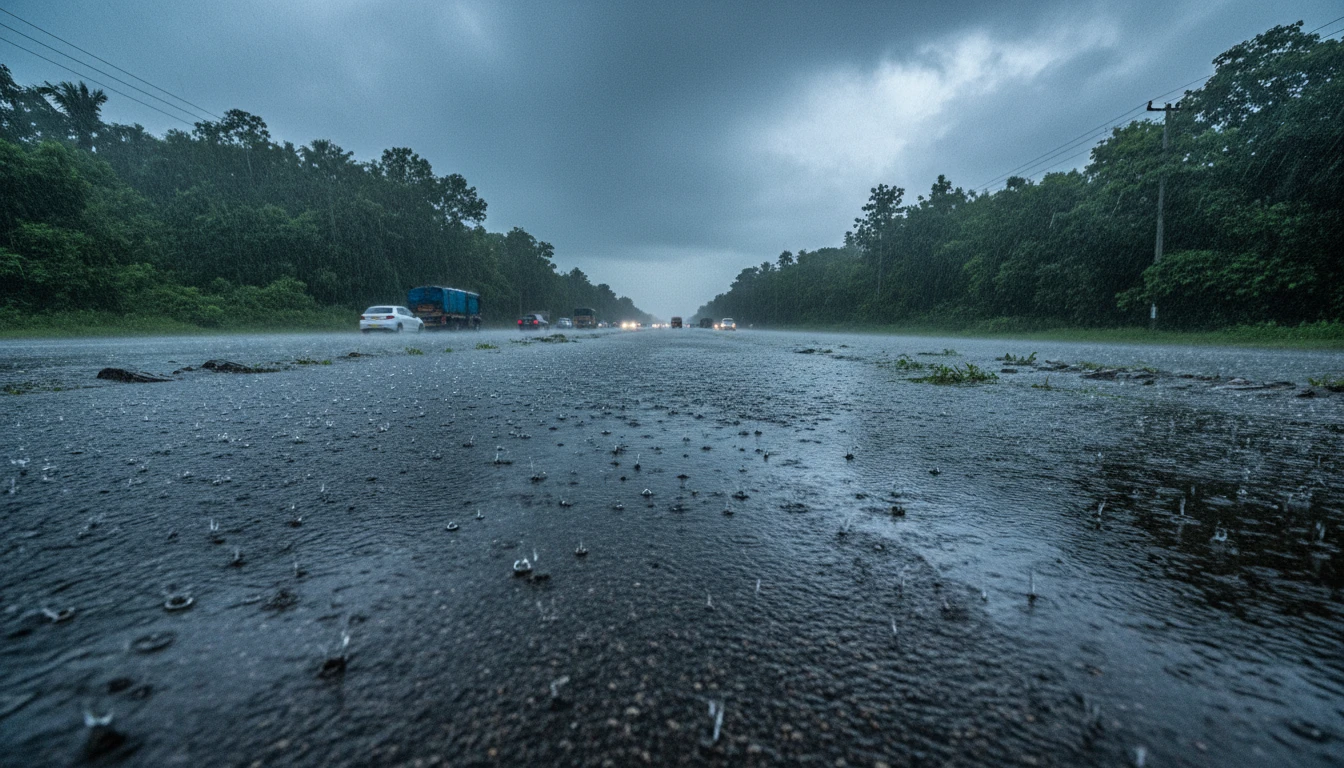
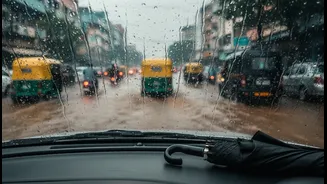
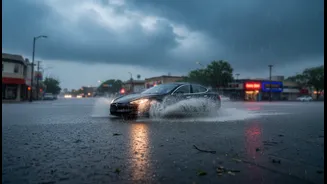
Waterlogged roads are a common and dangerous feature of monsoons in Indian cities. The primary rule is simple: if you can't see the road surface, avoid driving through the water. Stagnant water can hide deep potholes, open manholes, or other debris that can cause serious damage to your car or lead to an accident. If you must cross a shallow waterlogged patch, do so slowly and steadily in a low gear, keeping the engine revs high to prevent water from entering the exhaust pipe. If your car stalls in water, do not attempt to restart the engine. This can cause 'hydrostatic lock,' leading to catastrophic engine damage. It is safer to abandon the vehicle and move to higher ground if water levels are rising.
For Two-Wheeler Riders: Embrace Extra Caution
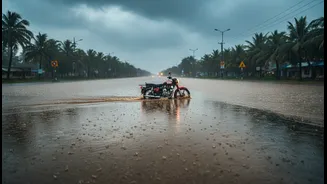
Riding a scooter or motorcycle in the rain requires an even higher level of alertness. Your visibility and grip are both compromised. Invest in good quality waterproof gear and a helmet with a clear, anti-fog visor. High-visibility or reflective clothing is essential to ensure you are seen by other motorists. Be extremely wary of painted road markings and manhole covers, as they become exceptionally slippery when wet. When braking, use both front and rear brakes gently and progressively to avoid locking a wheel and skidding. Puddles can hide deep potholes, so it's best to navigate around them whenever possible. Always assume you are less visible to others and ride defensively.
Tips for Public Transport Commuters
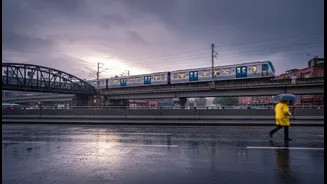
If you rely on buses or trains, monsoon travel has its own set of challenges. Check for service updates or delays before you leave home, as heavy rains can disrupt schedules and routes. Station platforms and bus floors can become very slippery, so wear footwear with good grip and hold onto handrails. Avoid overcrowding and stay behind safety lines on platforms. To prevent your belongings from getting soaked, use waterproof bags for electronics and important documents. Finally, give yourself extra travel time; delays are common during heavy downpours, and rushing in wet conditions increases the risk of slips and falls.
Pack a Monsoon Commute Kit
A small emergency kit can be a lifesaver if you get stranded. Keep it in your car or backpack. Essential items include a fully charged power bank, a torch, a first-aid kit, and some dry snacks and drinking water. A change of clothes or at least a dry pair of socks can make a huge difference if you get drenched. Storing your phone and wallet in a waterproof pouch is also a smart move. Having these items on hand provides peace of mind and ensures you are prepared for unexpected delays or breakdowns during your monsoon commute.