





The Symbolism of Purity and Divinity
At the heart of gold's significance in Indian rituals is its inherent purity. Gold is a noble metal that does not rust, tarnish, or corrode, making it a powerful symbol of permanence and incorruptibility. This physical resilience is seen as a metaphor
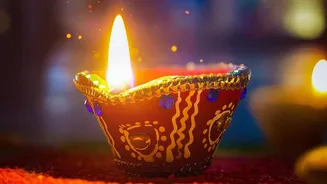
for the eternal, unchanging nature of the soul, or 'Atman', as described in Hindu philosophy. Its untarnished quality makes it the chosen material for offerings to deities, temple adornments, and sacred vessels. Furthermore, gold is deeply associated with Goddess Lakshmi, the deity of wealth, fortune, and prosperity. Buying or wearing gold, especially during festivals like Dhanteras and Diwali, is believed to invite her blessings and welcome abundance into the home. The metal's radiant glow is also linked to the sun, representing life, energy, and divine light.
A Sacred Presence in Life's Milestones
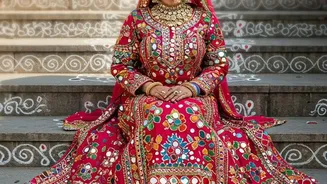
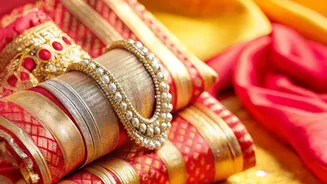
From birth to marriage, no significant Indian ceremony is complete without the presence of gold. For a newborn, a tiny gold bangle or chain is often their first gift, a blessing for a prosperous life. In weddings, gold takes centre stage, embodying the sanctity and endurance of the marital bond. The bride is adorned with gold jewellery, signifying not only her family's blessings but also her transition into a new life of abundance and happiness. Key pieces like the 'mangalsutra', an auspicious thread with gold pendants, are tied by the groom around the bride’s neck and worn for life as a symbol of their union and his well-being. The gifting of gold is a cornerstone of the celebration, seen as a harbinger of good fortune for the new couple.
An Enduring Family Legacy
Beyond its spiritual role, gold jewellery serves as a vital thread of family legacy and financial security. These pieces are often not just bought but inherited, passed down from mother to daughter through generations. Each heirloom carries with it the stories, memories, and blessings of the ancestors, becoming a tangible piece of family history. This tradition is also intrinsically linked to the concept of 'Streedhan', which translates to 'woman's property'. Legally distinct from dowry, Streedhan refers to the voluntary gifts a woman receives throughout her life, especially at her wedding. This wealth, predominantly in the form of gold jewellery, is her absolute property, intended to provide her with financial independence and security. It is a form of legacy that empowers as well as adorns, a safety net that is hers alone.
More Than an Investment
While gold is globally recognised as a sound financial investment, in India, its value transcends monetary worth. It is an emotional and cultural asset, a repository of blessings and good fortune. The act of buying gold during auspicious times like Akshaya Tritiya is a ritual in itself, driven by faith in its power to bring prosperity. This belief is so deeply ingrained that families accumulate gold through their lives to pass on to the next generation, ensuring that the legacy of tradition, security, and auspiciousness continues. The jewellery worn in rituals is not merely decorative; it is a declaration of faith, a celebration of heritage, and a prayer for a radiant future, making pure gold an indispensable element of Indian cultural and spiritual life.