





A Practical Hedge Against Inflation
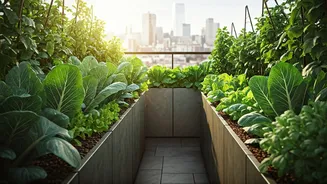
Let’s be honest: the cost of vegetables can be terrifying. One week, tomatoes are affordable; the next, they’re a luxury item. This volatility has pushed many to reclaim a patch of their balcony, terrace, or windowsill. Gardening has evolved from a pleasant
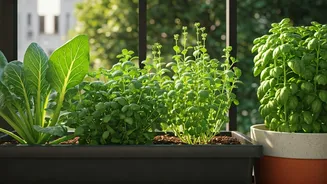
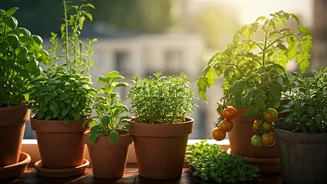
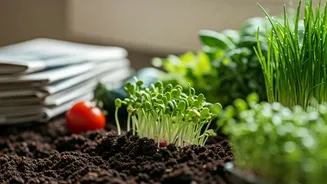
pastime into a practical economic strategy. Growing your own chillies, coriander, curry leaves, and tomatoes provides a small but significant buffer against market whims. It’s not about becoming fully self-sufficient; it’s about control. Having fresh dhaniya on hand for a garnish or plucking a few green chillies for a tadka without a trip to the store is a small victory that adds up, saving money and reducing food waste.
The Urban Prescription for Calm
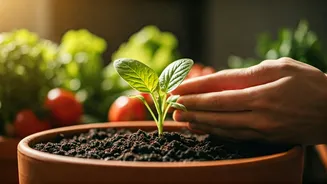
In our hyper-connected, screen-saturated lives, the simple, tactile act of gardening offers a powerful antidote. It is a forced mindfulness practice. You cannot rush a seed. Tending to plants—watering, pruning, watching them grow—requires a slow, deliberate patience that quiets the relentless noise of urban existence. Psychologists call it horticultural therapy, but for most, it’s just a way to de-stress. The act of nurturing life connects us to a primal rhythm, grounding us in the physical world. It’s a quiet space where the only notifications are a new leaf unfurling or a bud getting ready to bloom. This therapeutic benefit is no longer a welcome side effect; for many, it is the primary reason they start.
The Search for Authentic Flavour
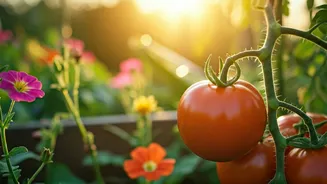
Concerns over pesticides, artificial ripening agents, and long supply chains have made many Indians suspicious of their produce. The promise of ‘farm-fresh’ often feels distant and unreliable. A home garden, no matter how small, closes that gap entirely. It is the ultimate farm-to-table experience. The flavour of a tomato plucked straight from the vine and eaten minutes later is incomparably richer than one that has travelled hundreds of kilometres. This pursuit of quality and safety is a major driver. Knowing exactly what went into your food—and more importantly, what didn't—provides a peace of mind that money can't buy. It’s a return to trusting your food, one pot at a time.
A Quiet Environmental Statement
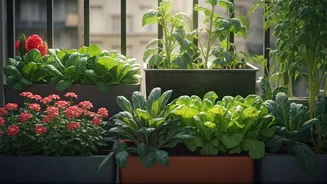
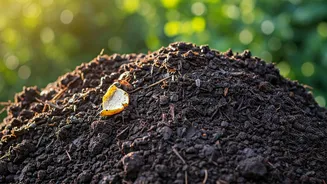
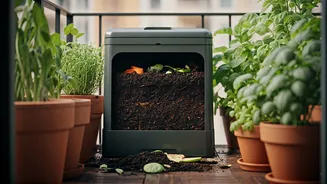
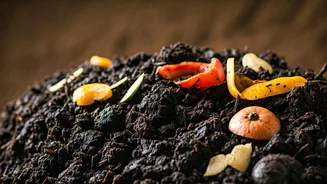
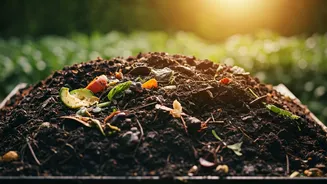
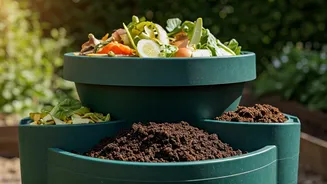
Growing even a small amount of your own food is a potent act of environmentalism. It shortens the food supply chain to zero, drastically cutting down on 'food miles' and the associated carbon footprint. Home gardening also encourages sustainable practices like composting, turning kitchen scraps into nutrient-rich 'black gold' for your plants instead of sending them to landfills. Furthermore, a balcony teeming with flowering plants becomes a micro-habitat, attracting bees, butterflies, and other pollinators that are essential for a healthy ecosystem but are increasingly under threat in urban landscapes. In this context, gardening is less a hobby and more a personal contribution to a healthier planet.
Building Community, One Plant at a Time
The new wave of gardening is also deeply social, albeit in a modern way. It thrives in WhatsApp groups where neighbours trade seeds and advice, and on Instagram feeds showcasing balcony makeovers and first harvests. Community gardens are transforming neglected urban plots into shared spaces for cultivation and connection. This collaborative spirit turns a solitary activity into a communal one. It’s a way of rebuilding the neighbourhood bonds that have frayed in fast-paced city life. Sharing a harvest, swapping tips on pest control, or simply celebrating a successful crop together fosters a sense of belonging. The garden has become a new kind of social network, rooted in the real world.