



The Myth of 'Indian Food'
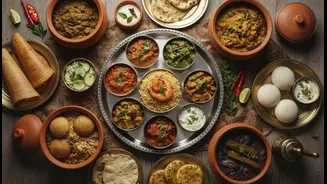
For many diners, the Indian culinary experience has long been defined by a handful of dishes. Rich, creamy butter chicken, fiery vindaloo, pillowy naan, and familiar biryanis have dominated menus from London to New York. This standardised 'Pan-Indian'
offering, largely rooted in North Indian, specifically Punjabi, cuisine, became a global ambassador for an entire subcontinent's gastronomy. While delicious, it presented a simplified and monolithic version of a culinary tradition that is, in reality, as diverse as the country itself. This approach often dialled down regional complexities to appeal to a broader, international palate, creating a cuisine that was accessible but incomplete.
A Confident Return to Regional Roots
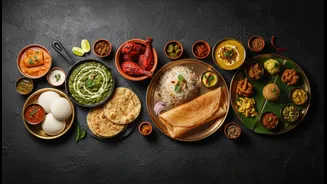
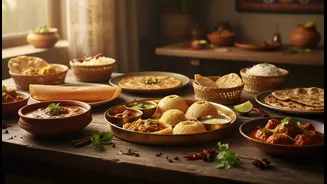
Today, a new generation of Indian chefs is confidently dismantling that old menu. Chefs like Garima Arora, the first Indian woman to earn a Michelin star, Vikas Khanna of New York's celebrated Bungalow, and Hussain Shahzad of The Bombay Canteen are leading a movement towards hyper-regional cooking. They are no longer simplifying or 'translating' dishes for a global audience. Instead, they are delving into the specific culinary identities of states like Kerala, Bengal, Rajasthan, and Nagaland. This shift is driven by a desire to tell authentic stories through food, showcasing recipes and ingredients tied to specific communities, festivals, and family traditions. Diners are no longer just eating 'Indian'; they are experiencing the coastal flavours of Goa or the rustic preparations of Uttar Pradesh.
The Essential Power of Sour
One of the most exciting results of this regional focus is the triumphant return of sourness—a flavour profile often muted in older Pan-Indian menus. In many parts of India, sour is not an afterthought but a central pillar of flavour balancing. Cuisines from the South and West extensively use ingredients like tamarind, unripe green mango (amchur), and the distinctively tangy fruit kokum to cut through richness and add a bright, refreshing dimension to dishes. Whether it’s the sharp tang of a South Indian rasam or the cooling sourness of Goan solkadhi, this taste provides a complexity that makes the entire meal more vibrant and complete.
Heat, Spice, and Everything Nuanced
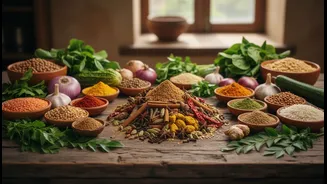
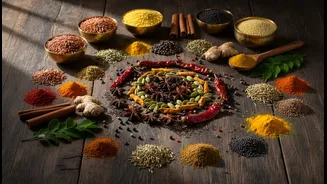
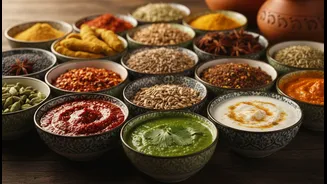
Just as the understanding of sourness is deepening, so is the appreciation for heat and spice. It’s no longer about a single, searing note of chilli. Chefs are exploring the unique characteristics of different peppers, from the smoky, intense heat of the Naga chilli to the bright spice of Andhra chillies. This new approach treats heat as a flavour, not just a sensation. Furthermore, it emphasizes the traditional Indian technique of balancing pungency with cooling elements like yogurt, coconut milk, or fresh herbs. The result is a menu where spice is layered and complex, allowing the subtle aromatics of cumin, cardamom, and mustard seed to shine through rather than being overpowered.
An Education in Subtlety
Beyond bold tastes, this culinary renaissance is championing subtlety. The era of 'performative modernity'—think unnecessary foams and smoke—is giving way to a focus on technique and ingredient provenance. Chefs are reviving traditional cooking methods like slow cooking in clay pots and charcoal grilling, sometimes enhanced with modern precision tools like sous-vide to perfect texture without sacrificing soul. There's a newfound reverence for indigenous ingredients, from heirloom grains and millets to hyperlocal vegetables. This focus on the 'biography' of each ingredient allows for a dining experience that is not only delicious but also educational, connecting the diner to the diverse agricultural and cultural tapestry of India.