


From Kitchen Staple to Wellness Star
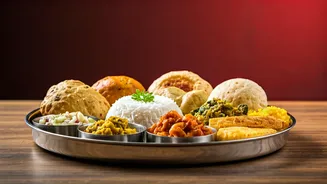
For generations, dal has been the ultimate comfort food in India, a daily source of nourishment and a taste of home. It’s the reliable, soul-satisfying dish paired with rice or roti that forms the nutritional backbone of the subcontinent. But recently,
this simple lentil stew has been rebranded in the global imagination. It’s appearing in trendy cafes and on influencer accounts, celebrated not just for its comforting flavour but for its powerful health credentials. This shift highlights a broader trend where ancient, traditional foods are being rediscovered by the modern wellness movement, which increasingly values plant-based nutrition.
So, What Exactly Is Dal?
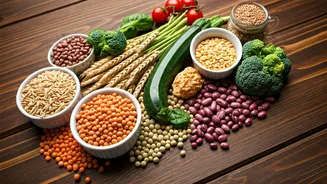
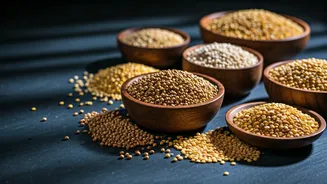
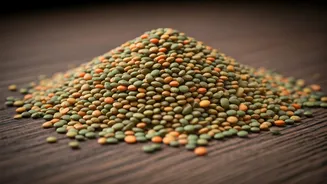
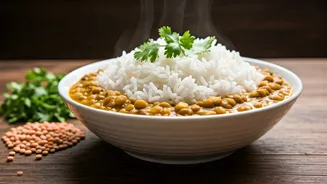
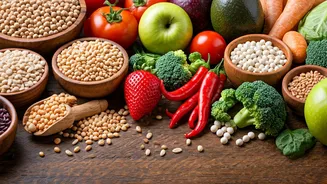
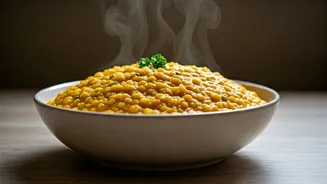
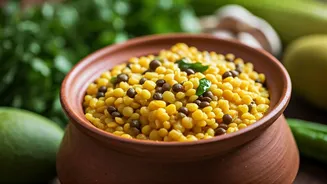
Before it was a trend, dal was, and is, a simple concept with deep cultural roots. The word 'dal' refers to a split pulse (like lentils, peas, or beans) but also the stew-like dish made from it. Unlike whole pulses, split dals cook faster and become creamier, making them easier to digest. The variety is vast, with each region and household having its own favourite. Toor (pigeon peas), Masoor (red lentils), Moong (mung beans), and Chana (split chickpeas) are just a few of the most common types, each with a unique texture and flavour profile. Typically, it's prepared by simmering the lentils until soft and then tempering them with 'tadka'—spices like cumin, turmeric, and mustard seeds sizzled in ghee or oil.
A Nutritional Powerhouse
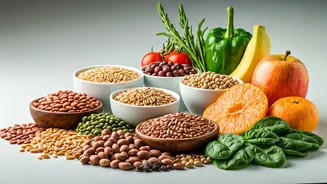
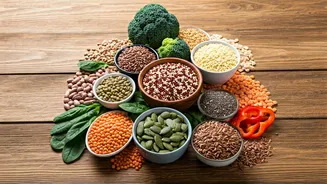
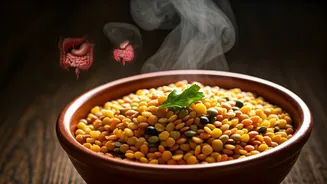
The wellness world’s newfound obsession is backed by serious nutritional science. Dal is a plant-based protein heavyweight, with a single cup providing a significant portion of your daily needs, making it essential for muscle repair and growth. It's packed with dietary fibre, which promotes gut health, aids digestion, and helps you feel full for longer, supporting weight management. Furthermore, lentils are rich in essential micronutrients like folate, iron, potassium, and magnesium. With a low glycemic index, dal helps regulate blood sugar levels, preventing energy crashes and making it an excellent choice for sustained vitality.
More Than a Food Trend
Dal's journey from the Indian family dinner table to the global wellness stage is a complex story. On one hand, it’s a moment of pride, seeing a cultural staple celebrated for the wisdom it has always held. Ancient food philosophies like Ayurveda have long recognized the medicinal and balancing properties of dals and spices. On the other hand, it raises important conversations about cultural appropriation. When a food is stripped of its context and turned into a commodified trend, its deeper meaning can get lost. The key is to approach its newfound popularity with respect, acknowledging its origins while celebrating its universal benefits.
Bringing Dal Into Your Kitchen
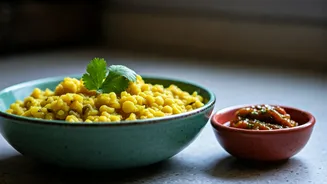
The beauty of dal lies in its versatility. While the simple dal tadka is a classic, there are countless other ways to enjoy it. Urad dal is the star of the rich and creamy Dal Makhani, while moong dal can be used to make savoury crepes called chillas. Chana dal provides a nutty, robust base for thicker curries. You don't need to be a master chef to start. A basic recipe involves boiling the lentils of your choice with turmeric and salt until soft. In a separate pan, heat some ghee or oil, add cumin seeds, chopped onions, garlic, and ginger, and fry until golden. Mix this flavourful tadka into the cooked lentils, and you have a nourishing, delicious meal ready to go.